UK seriously underprepared for cyberattacks and extreme weather, Lords warn
A parliamentary report warns that Britain is underprepared for national emergencies, citing supply chain shocks, cyberattacks, and extreme weather.

Britain is seriously underprepared for a wave of national emergencies, with new warnings coinciding with extreme weather forecasts across the country according to The Standard.
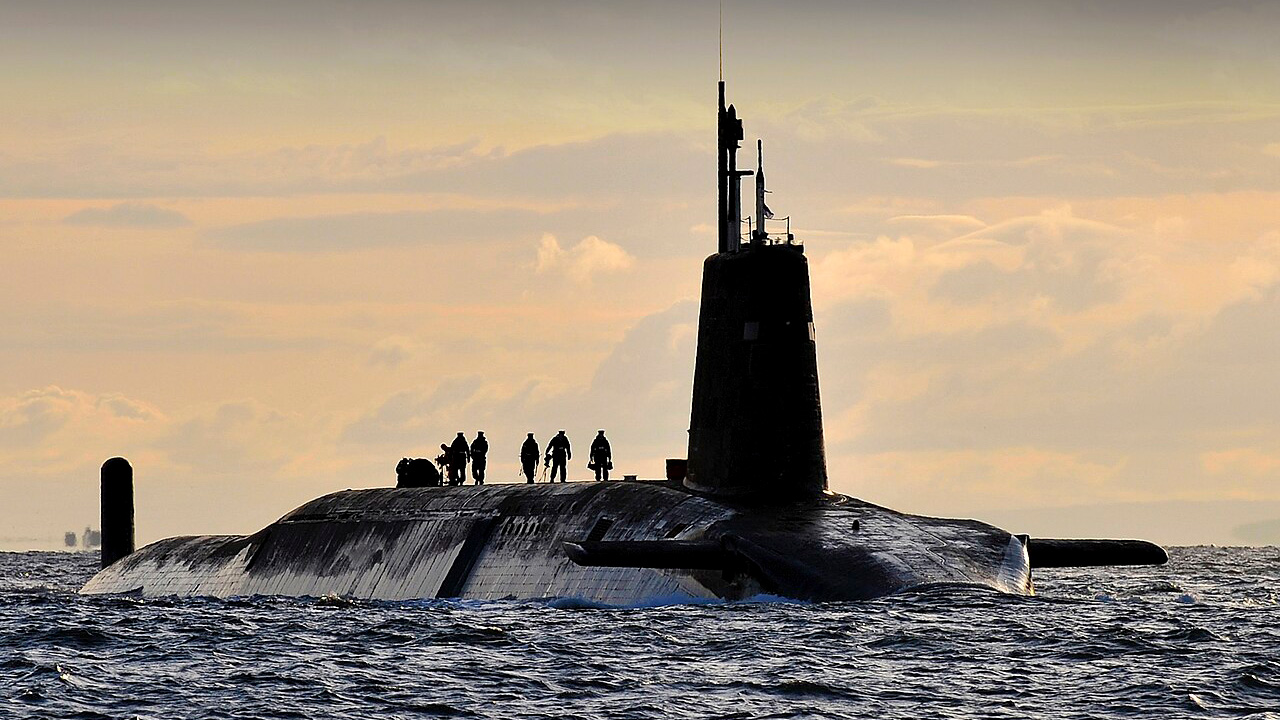
A new parliamentary report warns that limited stockpiles of food and medicine leave the nation dangerously exposed to global supply chain shocks. Parliamentarians highlighted potential threats from what they termed grey zone hostility, including cyberattacks, proxy acts of violence, and sabotage targeting critical undersea cables and pipelines by foreign powers. Furthermore, the country no longer maintains any domestic manufacturing capacity for antibiotics, rendering national supplies heavily reliant on imports from China.
Media additions
The Lords National Resilience Committee urged officials to abandon squeamishness and communicate bluntly with the public about mounting vulnerabilities. Lawmakers argued that current administrative structures lack the necessary seniority, recommending the appointment of a cabinet minister dedicated solely to resilience. They also called for a statutory requirement obliging public and private sector companies to conduct routine stress-testing exercises.
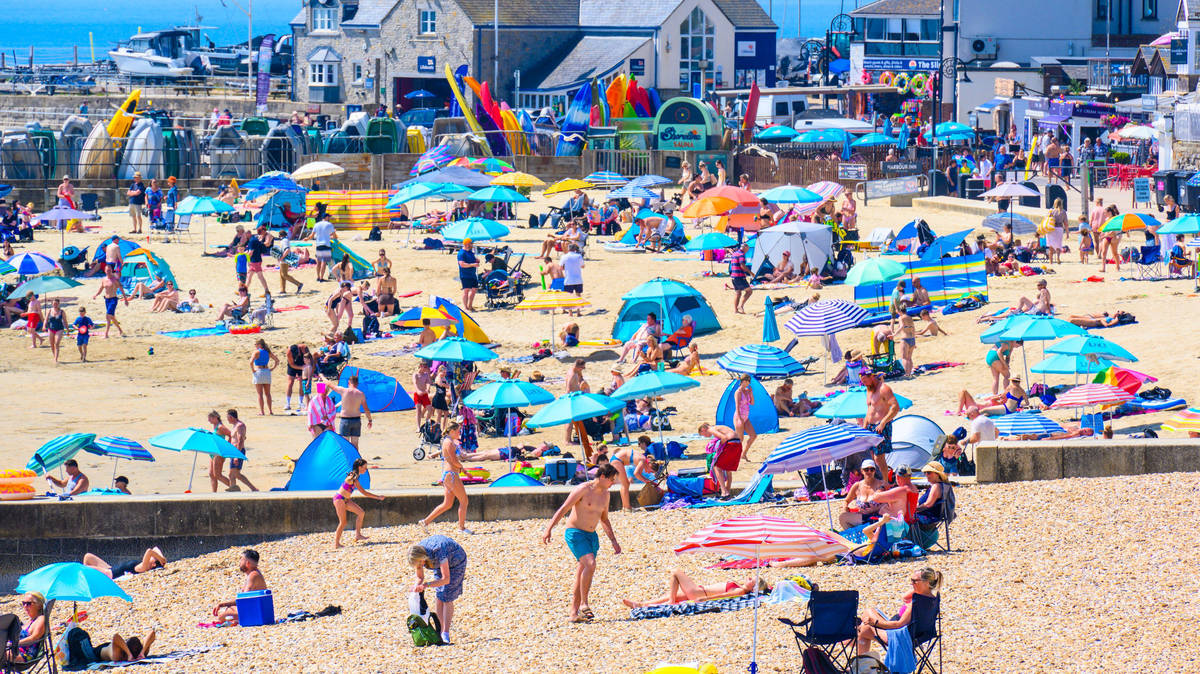
Compounding these security concerns, meteorological forecasters have warned of severe weather shocks on the horizon reported LBC. Following an initial cooler spell, a second intense heat dome is projected to develop across western Europe. According to the European Centre for Medium-Range Weather Forecasts, the Azores High pressure system is expected to shift over northern France and southern Britain. This atmospheric displacement threatens to push soaring temperatures northward from Spain and Portugal.
Recent extreme conditions have already placed immense strain on critical infrastructure. Previous extreme heat and subsequent severe thunderstorms disrupted travel networks extensively.
| Weather Event / Metric | Recorded Figure | Operational Impact |
|---|---|---|
| Provisional Peak Temperature | 37.3C in Suffolk | Hundreds of school closures and train cancellations |
| Flight Disruption | Over 900 delayed flights | Operational delays at London airports |
| Lightning Activity | 29,074 lightning strikes | Overnight electrical storms across the UK |
Crossbench peer and committee chair Baroness Jean Coussins warned that modern crises rarely occur in isolation. A cyberattack can quickly morph into a power cut, then a shutdown of transport, then empty food shelves in the shops,
she said, as detailed by The Standard. The committee stressed that the public should be trusted with candid information regarding these risks, noting that citizens are willing to step up when properly informed.
Recommendations from the parliamentary inquiry span multiple sectors of civil society and defence preparedness:
- Expand eligibility for the armed forces gap year scheme to include young people not in education, employment, or training.
- Scrap proposed plans to switch off digital terrestrial television to preserve emergency communication channels.
- Mandate that water companies demonstrate an ability to maintain emergency supplies during prolonged outages.
- Integrate resilience skills, critical thinking, and information literacy into educational and workplace curricula.
- Increase investment in domestic pharmaceutical manufacturing capacity for vital medicines.
In response to the parliamentary findings, a Cabinet Office spokesperson acknowledged the report and outlined ongoing mitigation efforts. The government pointed to its recent public awareness initiatives, preparations for a major domestic home defence exercise scheduled for next year, and substantial investments in pandemic security. Officials emphasized that resilience remains a top priority, noting that security discussions have actively engaged international allies.
Meanwhile, meteorological agencies continue monitoring the transition toward mid-summer conditions noted LBC. While temperatures are currently hovering nearer to seasonal averages following the departure of earlier humidity, forecasters warn that the atmospheric displacement driving the next major heat phase is projected to take shape by the second week of next month, with peak temperatures anticipated later in the month.