UKHSA confirms no active heat or cold health alerts across England
The UK Health Security Agency has confirmed there are currently no active heat or cold health alerts across England's nine regions.

- Core Development: The UK Health Security Agency has confirmed there are currently no active heat or cold health alerts across England's nine regions.
- Beat Context: Categorized under Weather with independent corroboration.
- Reporting Depth: 3 minute analytical read synthesized from verified newsroom sources.
The UK Health Security Agency (UKHSA) has confirmed that there are currently no active heat or cold health alerts in force across any of the nine regions of England.
According to the UK Health Security Agency, the absence of active warnings reflects the seasonal calendar governing public health alerts in England. The formal cold-health season runs from 1 November to 31 March, whereas the heat-health season covers the period from 1 June to 30 September. Outside these defined windows, the UKHSA only issues active alerts if exceptional weather is forecast.
Media additions

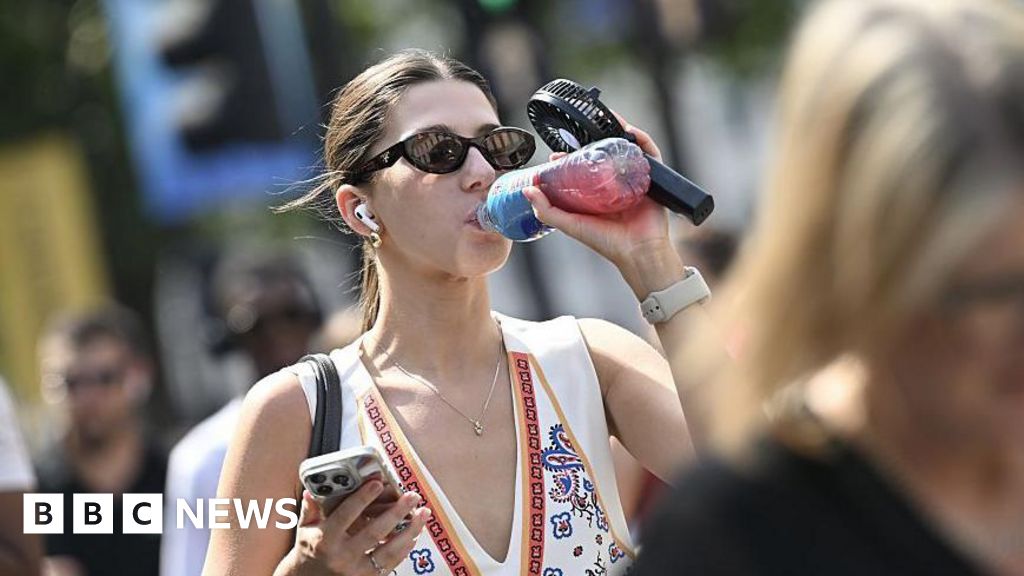
The alerting mechanism relies on a four-tier color system ranging from green to red. A green status indicates no active alert with minimal anticipated health impact, while yellow signifies that vulnerable individuals may struggle. Amber warnings point to potential risks across the entire health service, and red alerts represent a significant risk to life even for healthy populations
| Alert Level | Severity Description | Primary Impact Focus |
|---|---|---|
| Green | No alert in force | Conditions likely to have minimal impact on health; baseline preparedness advice applies. |
| Yellow | Low-level concern | Most people unaffected, but particularly vulnerable individuals—such as older adults and those with long-term health conditions—are likely to struggle. |
| Amber | Heightened risk | Impacts likely across the whole health service, with potential for the wider population to be at risk and increased demand on emergency services. |
| Red | Critical emergency | Significant risk to life even for healthy individuals |
Weather-Health Alerts focus specifically on the health and social care impacts of adverse temperatures. They are issued jointly by the UKHSA and the Met Office for the nine regions of England. Because public health is a devolved matter, Scotland, Wales, and Northern Ireland maintain separate administrative frameworks and do not utilize the UKHSA color-coded health alert system, though Met Office weather warnings cover the entire United Kingdom.
Express reporting notes that shifting low-pressure systems and seasonal drops in temperature bring colder conditions and patchy frosts to northern areas. Dr Agostinho Sousa, Head of Extreme Events and Health Protection at the UKHSA, highlighted the persistent dangers posed by dropping temperatures. Dr Agostinho Sousa stated:
"Cold weather poses a serious risk to health, particularly for people who are more vulnerable because of their age, health, or living circumstances. Our cold weather mortality report shows that around 2,200 people died as a result of very low temperatures last winter."
Dr Agostinho Sousa, Head of Extreme Events and Health Protection at UKHSA, via Express
Official mortality data referenced by the agency indicates that cold-associated deaths during the winter season were lower than figures recorded in the previous winter period. Officials attribute these fatalities largely to circulatory diseases, alongside secondary risks such as household accidents and injuries that increase as temperatures fall. Particular groups identified as being most at risk include individuals aged 65 and over, those with respiratory or cardiovascular conditions, people living with dementia, and households experiencing fuel poverty or residing in poorly insulated properties.
Citizens seeking to stay informed can register for automated email updates via GOV.UK. For real-time updates on meteorological hazards, travellers and residents are advised to consult the UKHSA data dashboard and regional Met Office forecasts.
Until then, the UKHSA and Met Office will continue continuous daily monitoring, ready to issue dynamic alerts if unexpected or extreme weather conditions threaten public health across England.
How significant is this development?
Contribute your assessment to the aggregated reader sentiment ledger.
Frequently Asked Questions
Key questions answered in this reportWhat is the key development in: UKHSA confirms no active heat or cold health alerts across England?
The UK Health Security Agency has confirmed there are currently no active heat or cold health alerts across England's nine regions.
Why is this Weather development significant for the UK?
This report covers critical events in our Weather beat. Independent reporting monitors related UK statements, regulatory shifts, and public responses as further verified details emerge.
How was this reporting corroborated and verified?
Newsarchy UK compiles and cross-references reporting from primary reporting from Devon County Council and cross-checked wire reports. All coverage adheres to published editorial standards.
When was this report published?
This briefing was published on October 30, 2026 and is permanently cataloged in the Newsarchy UK Weather archives.