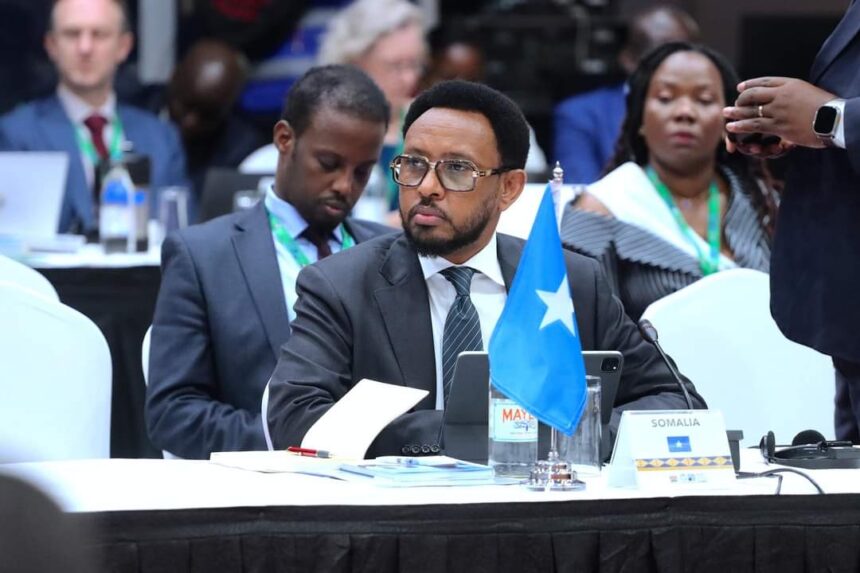
Pakistan warns Iran: Houthi attacks could activate Mecca defence pact
Pakistan warned that ongoing Houthi attacks targeting Saudi Arabia could trigger the Makkah Joint Defence Agreement signed by Pakistan, Saudi Arabia, and Turkey. The strikes have injured 73 civilians and prompted intense diplomatic scrutiny across the Middle East.
Pakistan has warned that ongoing Houthi military actions in Yemen could trigger the collective-defence provisions of a newly established trilateral security framework, raising the stakes for regional stability following a severe escalation in missile and drone strikes targeting Saudi Arabian territory. The warning from Islamabad follows a coordinated barrage of attacks against civilian, economic, and energy infrastructure in the kingdom, prompting urgent consultations, competing signals regarding potential military interventions, and intense diplomatic scrutiny across the Middle East as Al Jazeera reported.
According to The Media Line, the cross-border strikes hit an airbase in Khamis Mushait alongside energy installations in nearby cities, injuring 73 people. Additional reporting from Newsx noted that the targets included facilities in Abha, Jazan, and Najran. In response to the assaults, Deccan Herald and other outlets highlighted that the Saudi-led coalition launched retaliatory air strikes across several Yemeni governorates, including Marib, al-Jawf, and Taiz.
Media additions
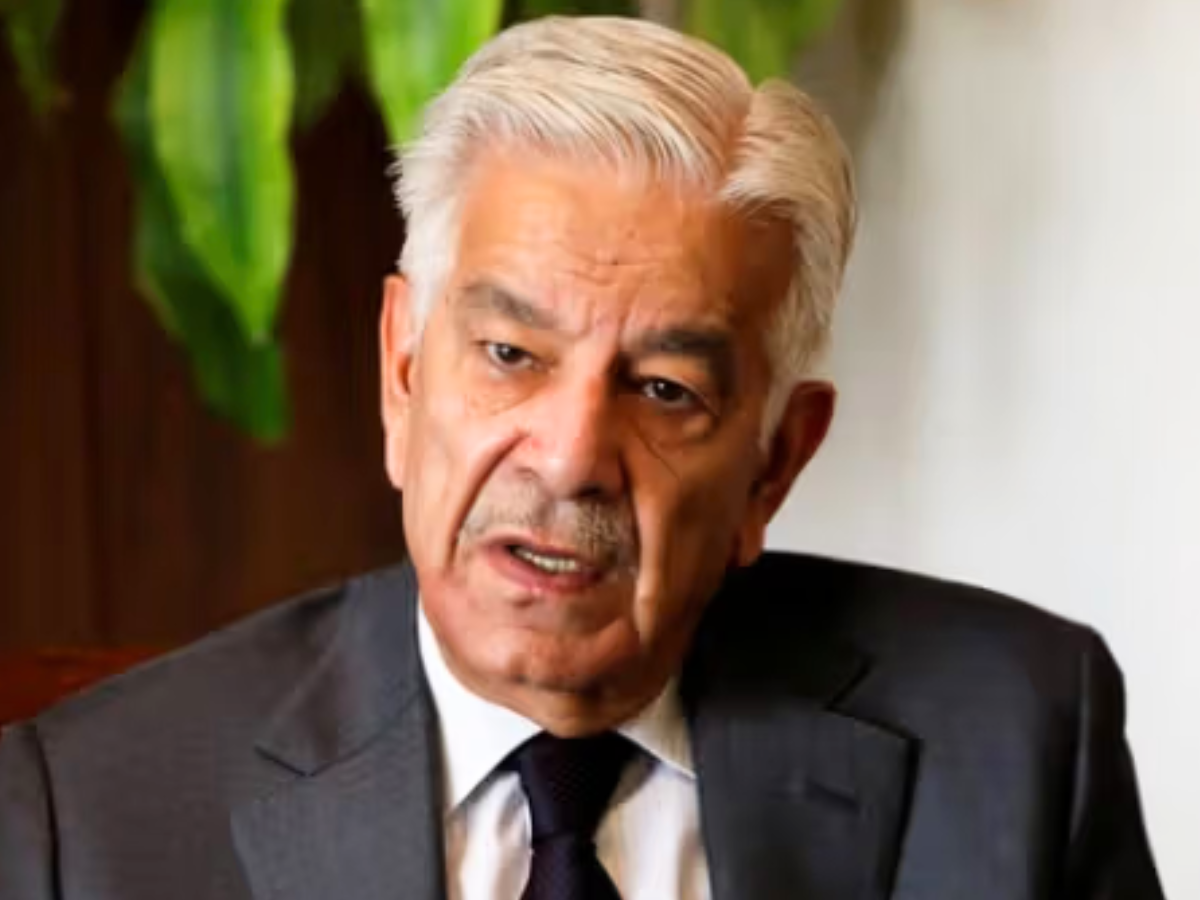

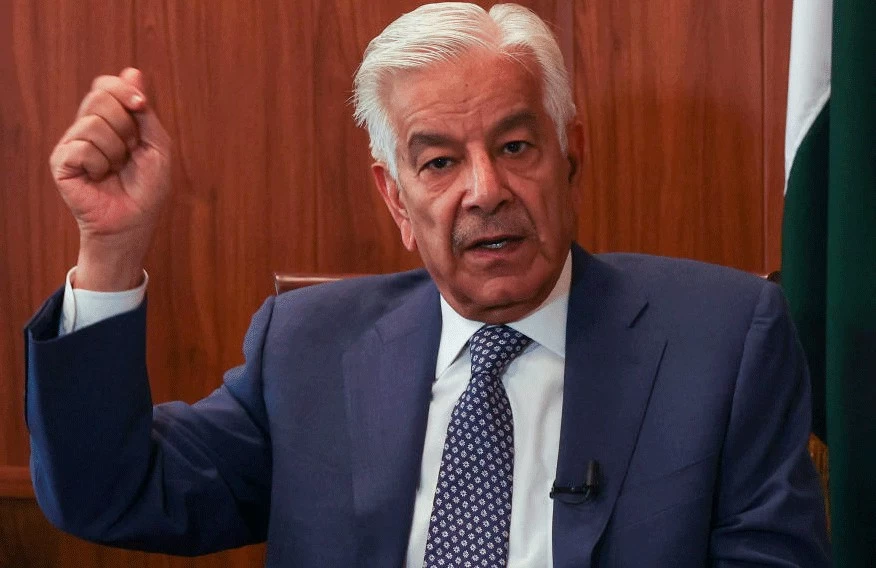
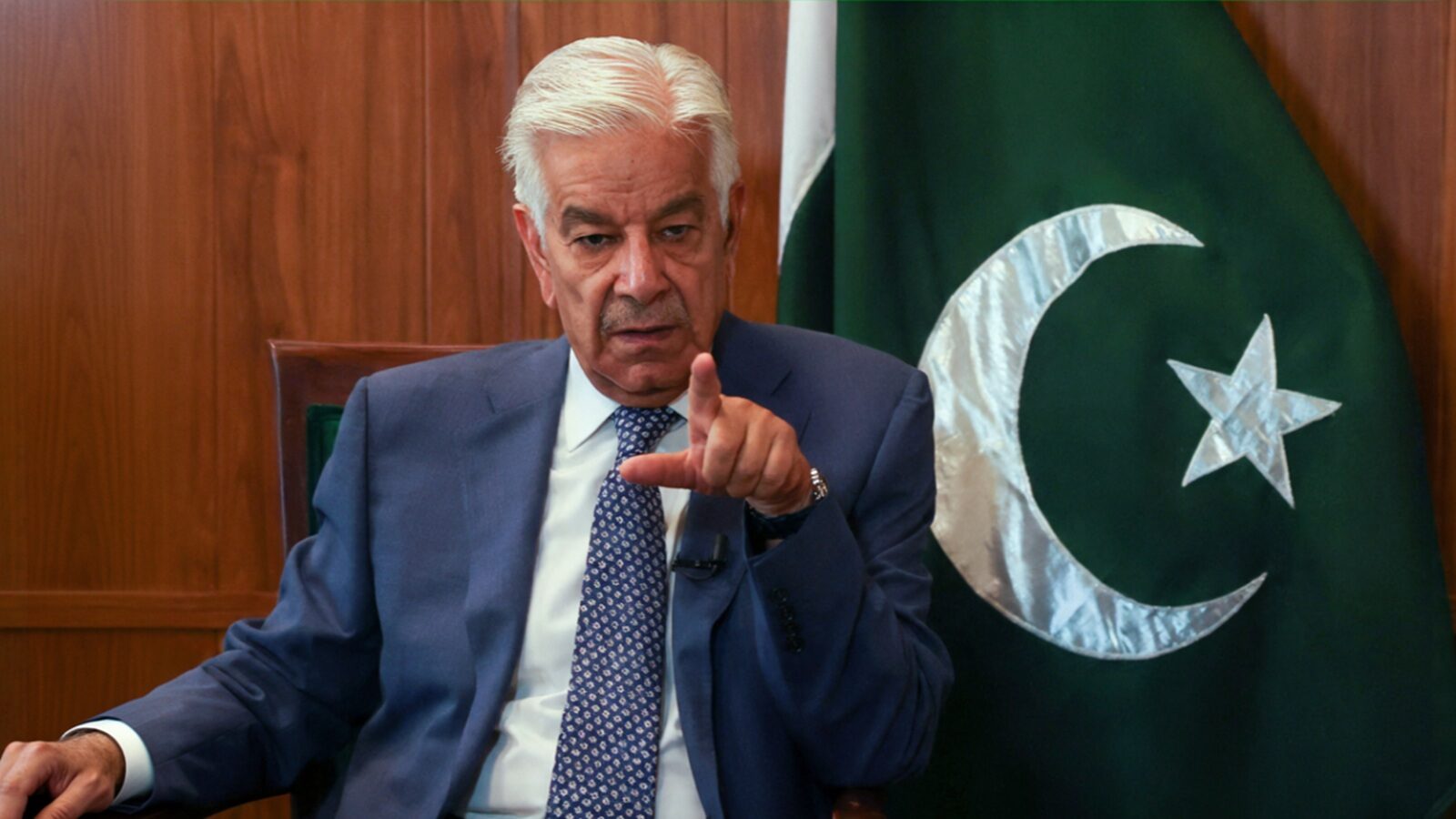
The violence has brought renewed focus to the Makkah Joint Defence Agreement, a security pact formalised by Pakistan, Saudi Arabia, and Turkey. Speaking on Pakistani television, Pakistani Defence Minister Khawaja Asif asserted that there was no ambiguity regarding the obligations binding the three nations, as reported by NewsX and The Express Tribune.
"An aggression on one country will be considered an aggression on all three countries … Unprovoked aggression or spillover … into Saudi Arabia will definitely make this agreement operational."
Khawaja Asif, Defence Minister, via The Media Line
Asif stressed that the trilateral arrangement mirrors collective security doctrines by establishing that an armed attack on a single member state constitutes an attack on the entire alliance. However, differing perspectives have emerged regarding the operational reality of these threats. While certain reports cited by NewsX and Türkiye Today suggested that Islamabad was considering punitive airstrikes against Houthi positions in Saadah upon a formal Saudi request, Pakistani foreign ministry officials pushed back on notions of an imminent offensive campaign.
During a weekly media briefing covered by NewsCord, Foreign Office spokesperson Sajjad Haider Khan stated that no discussion of a military reaction under the Makkah pact had taken place yet, adding that Islamabad would act when the time comes.
| Entity / Pact Member | Stated Position / Action | Key Context |
|---|---|---|
| Pakistan Defence Ministry | Warned that unprovoked aggression could activate the Makkah pact; emphasized a defensive posture. | Stated pact mirrors collective security but denied immediate plans for offensive airstrikes in Yemen. |
| Pakistani Foreign Office | Confirmed no military response under the Makkah agreement is currently under discussion. | Ruled out quick expansion of the trilateral alliance to new members at this stage. |
| Yemeni Houthi Movement | Claimed responsibility for missile and drone strikes targeting Saudi infrastructure. | Asserted attacks were retaliation for recent Saudi-led coalition air raids in Yemen. |
Security analysts interviewed by regional media outlets have pointed out that activating the pact for offensive operations inside Yemen would represent a major departure from historical policy, given that Pakistan's parliament previously declined direct military involvement in the 2015 Yemeni campaign. Analysts suggest that while Islamabad maintains troops and air-defence assets within the kingdom for territorial defense, backing a fresh Saudi ground or air incursion could strain Pakistan's diplomatic balancing act with Tehran.
The wider geopolitical ramifications arrive amid broader regional frictions, touching upon ongoing confrontations linked to maritime security in vital corridors such as the Red Sea and the Bab al-Mandeb Strait. Observers note that while the trilateral framework is intended to serve as a powerful deterrent, navigating the delicate boundary between collective defense and direct intervention in Yemen's internal conflict remains a central challenge.
Diplomatic and military developments will continue to unfold as regional actors assess the security situation. Key milestones to watch next include whether formal requests for military assistance are lodged with Islamabad or Ankara, how the coalition responds to continued maritime disruptions, and the progression of indirect diplomatic channels aimed at de-escalating cross-border hostilities.