California advocates push to expand fund for displaced oil and gas workers
Labor leaders and lawmakers are pushing to extend and grow a state fund supporting workers affected by refinery closures and the shift to net-zero energy. The effort aims to provide career stability as thousands of oil and gas jobs face potential elimination.
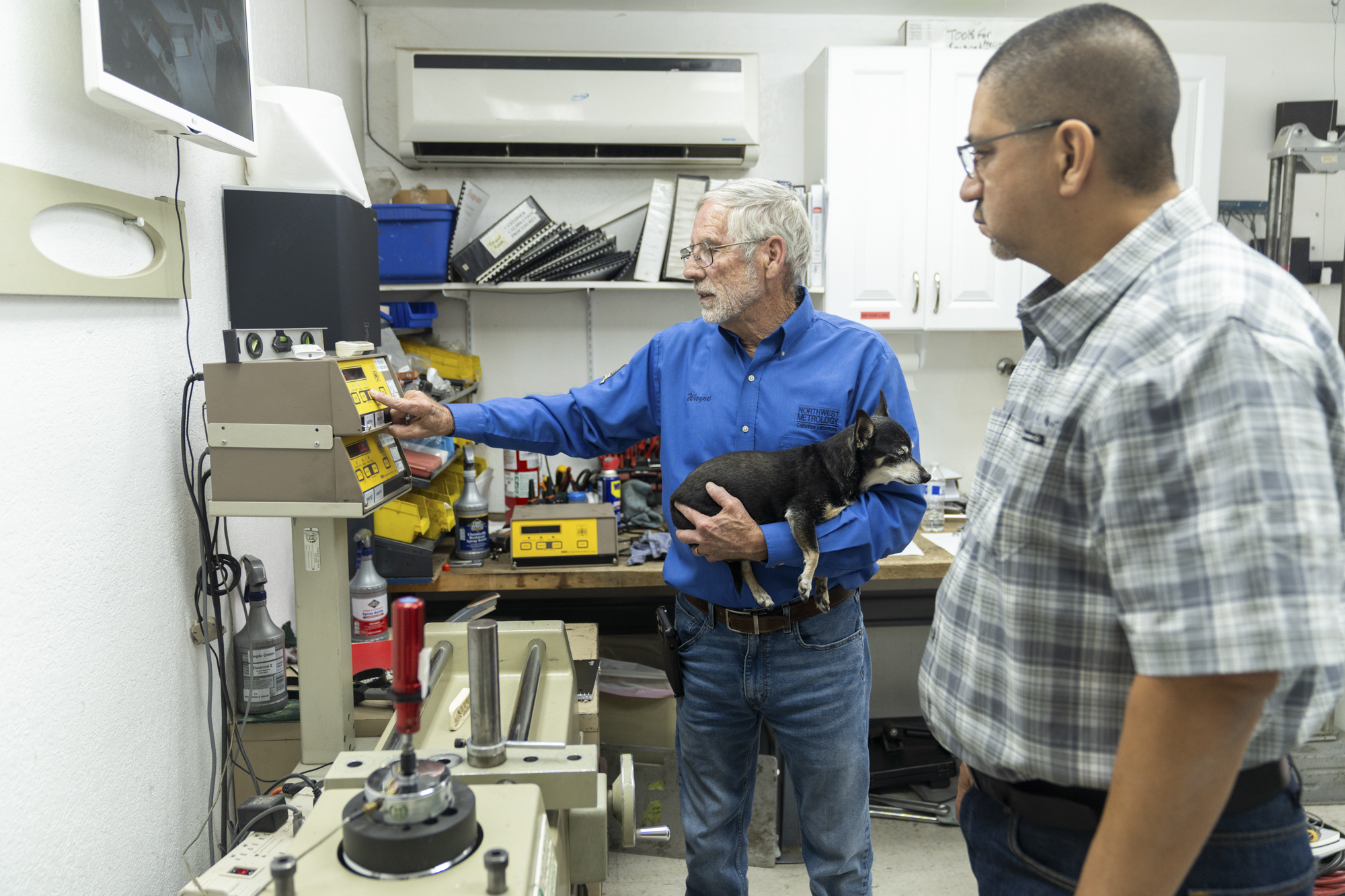
- Core Development: Labor leaders and lawmakers are pushing to extend and grow a state fund supporting workers affected by refinery closures and the shift to net-zero energy. The effort aims to provide career stability as thousands of oil and gas jobs face potential elimination.
- Beat Context: Categorized under World with independent corroboration.
- Reporting Depth: 3 minute analytical read synthesized from verified newsroom sources.
California advocates are intensifying pressure on state lawmakers to extend and expand a specialized fund designed to support workers displaced by the energy sector's transition toward a net-zero emissions future. As the state moves toward its long-term climate targets, labor representatives and program administrators warn that current resources are insufficient to address the scale of job losses occurring as refineries close and the oil and gas industry contracts.
The Displaced Oil and Gas Workers Fund, enacted into law in 2022, serves as the primary mechanism for mitigating the economic impact of these industrial shifts. The fund provides grants to local workforce development boards, unions, and community groups, specifically targeting Kern, Contra Costa, and Los Angeles counties. While state records indicate the program has assisted more than 630 workers transition to new careers, stakeholders suggest the actual number of individuals reached is closer to a thousand.
Media additions

The program's origins trace back to the 2020 closure of the Marathon refinery in Contra Costa County, where hundreds of employees faced sudden layoffs with limited severance and minimal support. The United Steel Workers union, noting that many members were forced to tap into retirement savings to survive the transition, successfully lobbied for the fund’s creation. The union subsequently established the California Oil and Refinery Workers Readiness Program (CORP) to provide on-the-ground navigation services for employees affected by refinery closures, including those at Phillips 66 in Carson and Wilmington.
Despite these interventions, labor advocates argue that the existing program is limited by its current structure. Proponents are pushing for legislation that would extend the fund beyond its current sunset date of 2027 and authorize new benefits, including wage replacement, college credits for on-the-job experience, and financial support during apprenticeships.
The urgency of the situation is particularly acute in Bakersfield. A report from the Public Policy Institute of California indicates that the oil and gas industry employs an estimated 6100 people in the area, with 40% of those jobs likely to disappear in the next decade or so. Because the local labor market offers few alternative opportunities, workers face the difficult choice between pursuing high-barrier retraining or accepting lower-paying roles that fail to utilize their existing technical skills.
The challenge of balancing immediate financial survival with long-term professional development remains a central hurdle. Union navigators report that workers often feel pressured to secure immediate employment to support their families, which prevents them from dedicating the time required for comprehensive education. While the state offers financial assistance for training and job-related expenses—such as transportation, tools, or relocation—the transition remains psychologically and logistically demanding for a workforce that has historically relied on the stability of the fossil fuel industry.
Of the original $30 million in the fund, $18 million has yet to be spent. State Assemblymember Damon Connolly is leading a legislative effort to make the program permanent, arguing that state support for displaced workers is an essential component of the energy transition. The bill is moving through the state legislature, and at a hearing in April, Connolly urged his colleagues to approve it.
Moving forward, the primary focus for advocates in California remains securing the longevity of the Displaced Oil and Gas Workers Fund. With the fund due to sunset in July of 2027, proponents are urging lawmakers to act during the current legislative session to ensure the program remains available as tens of thousands of industry jobs face elimination over the next decade.
How significant is this development?
Contribute your assessment to the aggregated reader sentiment ledger.
Frequently Asked Questions
Key questions answered in this reportWhat is the key development in: California advocates push to expand fund for displaced oil and gas workers?
Labor leaders and lawmakers are pushing to extend and grow a state fund supporting workers affected by refinery closures and the shift to net-zero energy. The effort aims to provide career stability as thousands of oil and gas jobs face potential elimination.
Why is this World development significant for the UK?
This report covers critical events in our World beat. Independent reporting monitors related UK statements, regulatory shifts, and public responses as further verified details emerge.
How was this reporting corroborated and verified?
Newsarchy UK compiles and cross-references reporting from primary reporting from ednc.org and cross-checked wire reports. All coverage adheres to published editorial standards.
When was this report published?
This briefing was published on July 23, 2026 and is permanently cataloged in the Newsarchy UK World archives.