G7 foreign ministers met in Paris for discussions addressing ongoing trilateral Ukraine-Russia peace talks, security guarantees, and tensions with Iran.
| Track |
Location |
Dates |
Key Participants |
Format |
| G7 Foreign Ministers |
Paris, France |
November 9–10 |
Rubio, Wadephul, Barrot, Anand, Sybiha (Nov 10), EU |
Multilateral + bilaterals |
| US-mediated Ukraine–Russia talks |
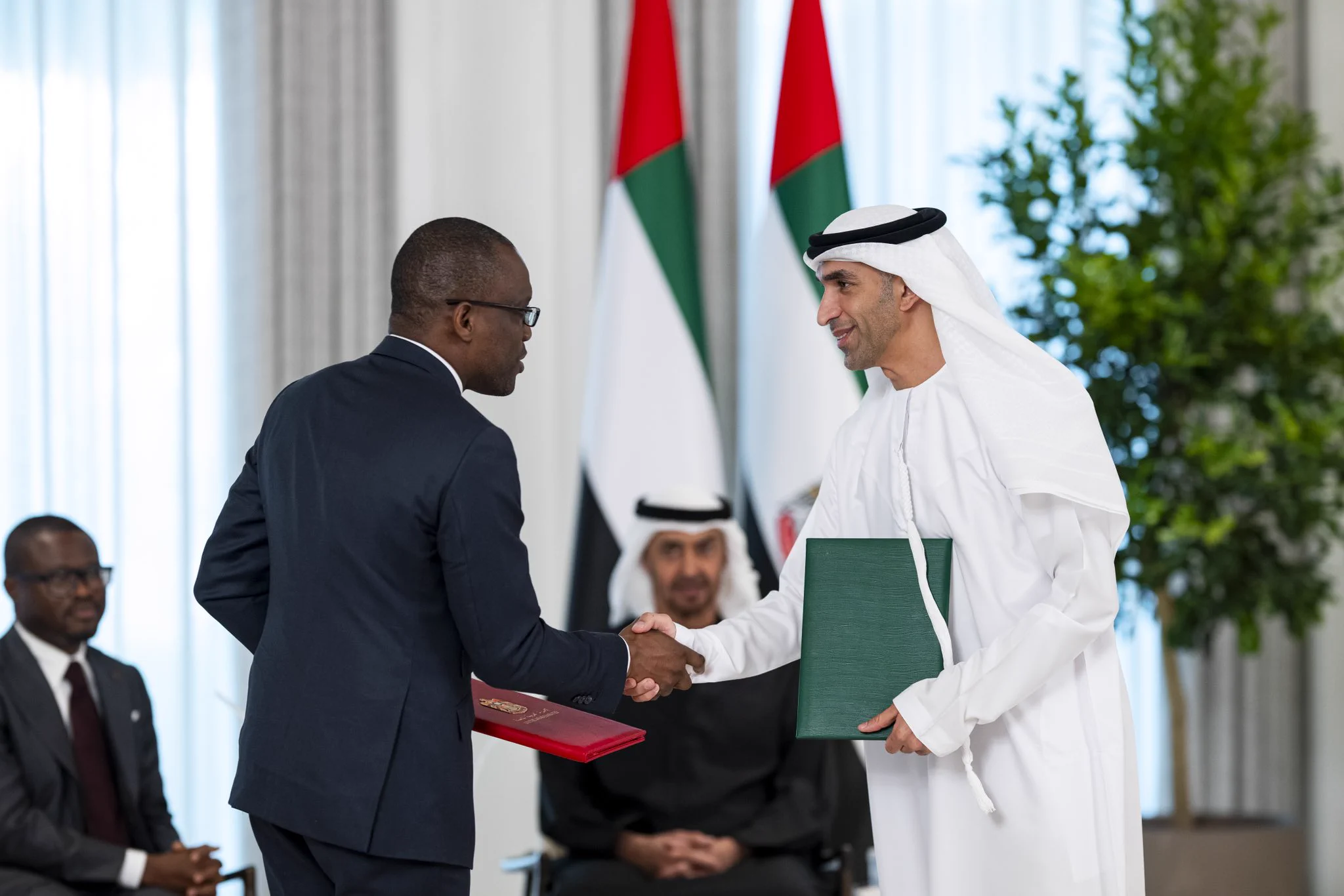
Abu Dhabi, UAE |
November 10–11 |
Witkoff, Kushner, Russian & Ukrainian officials |
Trilateral (US, Russia, Ukraine) |
| European security guarantees talks |
Abu Dhabi, UAE (parallel) |
November 10–11 |
UK, Germany, France, NATO, EU representatives |
Pre-negotiation on security architecture |
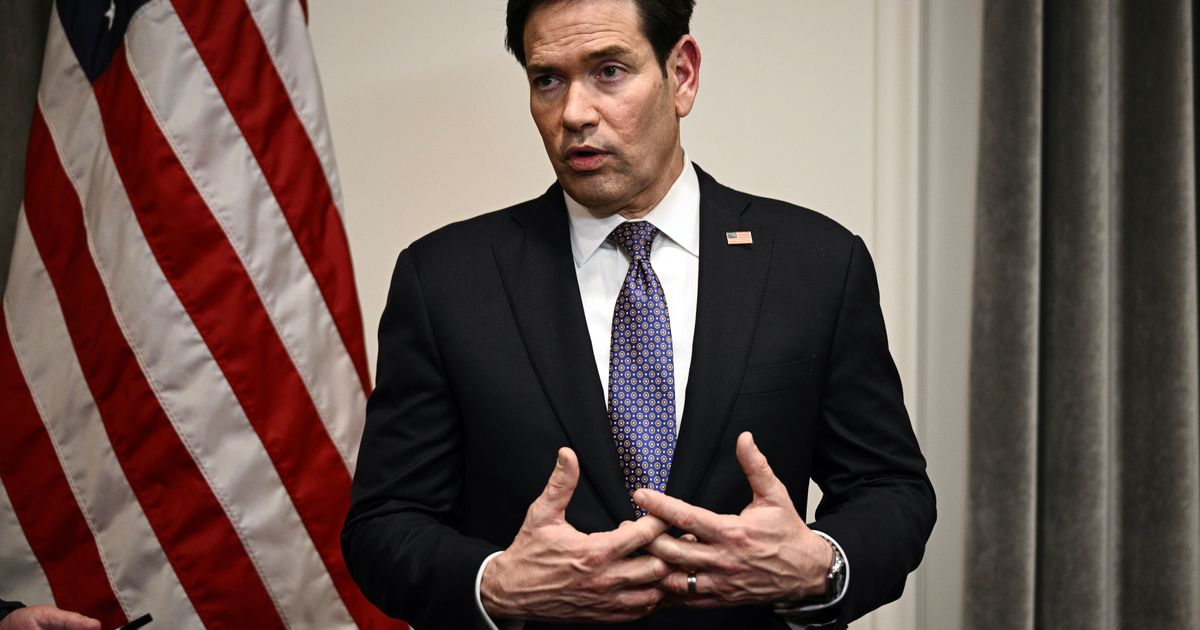
Rubio acknowledged that Europe's post-war security architecture remains a central issue, while stressing that ending the conflict must come first. "Ultimately, it would be a positive, but we've got a ways to go," he told reporters after a full day of meetings. "But, no, it's good that they're talking, it's good that the trilateral talks are on again. It's better than not having talks." Two US officials said Monday that representatives from Britain, Germany, France, NATO and the European Union would not join the main Abu Dhabi talks but would discuss potential security guarantees and the long-term security architecture between Russia and Europe beforehand. Russia has resisted European participation and insisted the talks proceed strictly as a trilateral format involving Russia, Ukraine and the United States.
Ukrainian Foreign Minister Andrii Sybiha is expected to join the G7 discussions on Tuesday, focusing on peace efforts, air defence, pressure on Russia and freedom of navigation in the Black Sea. His day begins with talks with Rubio before a larger group meeting with the entire G7. They will discuss defence and security assistance to Ukraine, which President Donald Trump's administration has reduced, causing consternation in Kyiv and across European capitals. It was not immediately clear if the US or any G7 partners would announce new assistance. Meanwhile, Canada announced fresh sanctions targeting 38 Russian entities and 24 individuals.
On the eve of the talks, Russia battered Ukraine's power grid again on Monday and Ukrainian forces hit another of Russia's biggest oil refineries. The two countries remain locked in battle with no sign either side is ready to budge from their demands. The war has already killed hundreds of thousands of soldiers and thousands of civilians, analysts and humanitarian organizations say.
Trump has floated the idea of a partnership with Europe to bring Russia's war in Ukraine to an end, predicting a "very big" deal with Russia involving not only the Ukraine war but "all of Europe." He told broadcaster CBS: "They're gonna end up with a little bit different shape Ukraine." Jared Kushner, the president's envoy and son-in-law, said the United States was working on "a broader European security architecture that can help establish the conditions for lasting peace," a concept met with skepticism in Europe. Ukrainian President Volodymyr Zelenskyy has questioned proposals for a new European security framework, saying debates over such a framework should follow efforts to end the war.
Iran is another major concern. European governments warn against renewed US military strikes and call for the restoration of normal shipping through the Strait of Hormuz, one of the world's most important routes for international oil and gas shipments. "We certainly cannot afford any military escalation at this point," Wadephul said. Qatari and other mediators have proposed an interim solution to end the deadlock over the conflict with Iran that has sent fuel prices soaring amid instability in key shipping lanes in the Strait of Hormuz and the Red Sea.
Rubio warned that talks with Tehran had made "no progress," describing some Iranian demands as unrealistic and unacceptable. "Right now, it hasn't been very productive because the Iranian demands are simply not just unacceptable but, in some cases, outrageous and ridiculous and really not realistic," he said. He reiterated that Trump prefers a diplomatic solution but said the sides are not on "the verge of a breakthrough." Trump has said Washington and Tehran are in contact and expressed confidence an agreement could be reached.
America's top diplomat is seen by many as presenting a gentler side to Trump's often brusque approach, but there has been speculation — that he has denied — that he might choose to leave the administration early to prepare for a 2028 presidential run. Shortly after arriving in Paris on Monday, Rubio posted on X that one of his priorities would be "pushing for real accountability at the U.N." The comment suggested the administration would maintain its demands for reform at the United Nations. It has already withdrawn from several UN and other multilateral bodies. The administration is pushing to dismantle the International Criminal Court, an international war crimes court to which all G7 members except the US belong. It has imposed severe sanctions on the court and several of its employees, saying the ICC is trying to investigate Americans.
France has invited Brazil, Egypt, Saudi Arabia and Ukraine to participate in some discussions. Its other priorities include Africa, China, Cuba and Haiti. The French Foreign Ministry said there will be a meeting on artificial intelligence and a separate session on support for Ukraine. On the sidelines, the French finance ministry hosted a donor conference Monday to raise funds to repair the dome protecting the nuclear reactor that exploded at Ukraine's Chernobyl in 1986 after it was damaged in a Russian strike last year. Even though the G7 meeting was moved from Marseille to Paris, Marseille will still host the launch of a network of 14 global ports uniting to combat drug trafficking.
What to watch next
- Abu Dhabi trilateral talks (November 10–11): whether Russia agrees to broader negotiations including European officials on security guarantees.
- G7 communiqué (November 10): language on Ukraine sovereignty, security guarantees, and Iran de-escalation.
- US assistance announcements: any new defence packages for Ukraine from Washington or European partners.
- Iran diplomacy: whether Qatari-mediated interim proposals gain traction before any US military action.