Cambridge University professor Jason Arday at centre of plagiarism row resigns
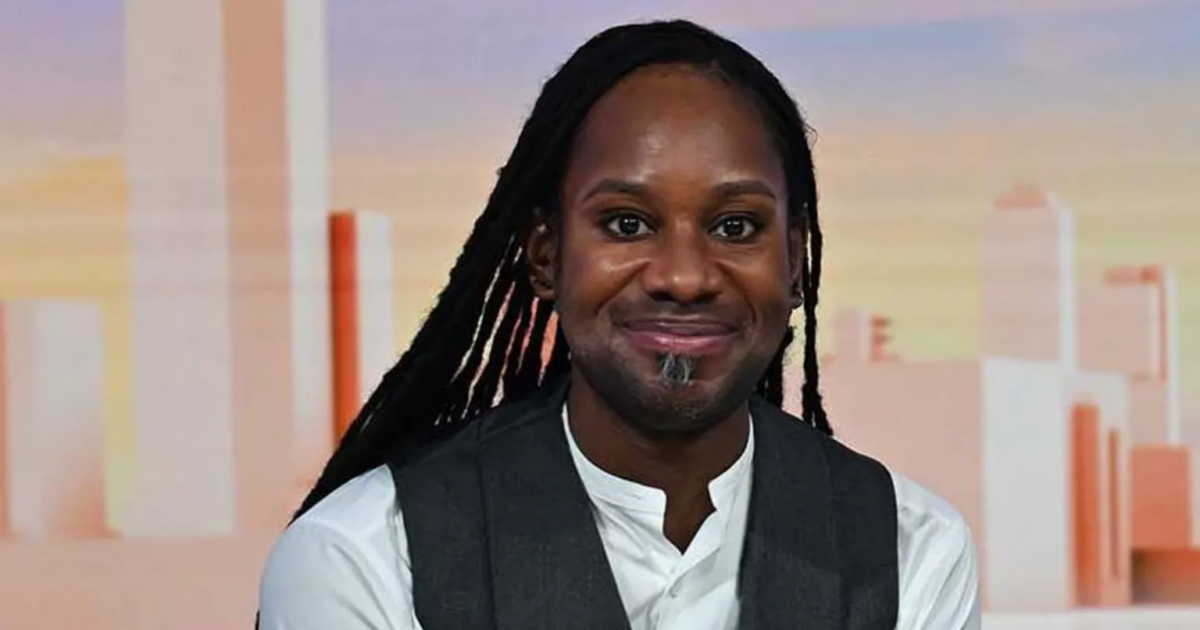
Cambridge University professor Jason Arday has resigned with immediate effect amid investigations into his academic credentials and background.
- Core Development: Cambridge University professor Jason Arday has resigned with immediate effect amid investigations into his academic credentials and background.
- Beat Context: Categorized under World with independent corroboration.
- Reporting Depth: 3 minute analytical read synthesized from verified newsroom sources.
The University of Cambridge professor at the centre of a sprawling academic misconduct and credentials controversy has resigned from his post with immediate effect, bringing a sudden halt to a tenure that made history on Aug 5, according to extensive reporting across multiple outlets. Prof Jason Arday, who was appointed as the institution's youngest Black professor, announced his departure following an escalation of scrutiny concerning his academic output, institutional affiliations, and personal background.
In a statement released via the Good Law Project, Arday explained that stepping away was the sole mechanism left to bring the ordeal to a close. "The years since my appointment have also been marked by an unrelenting level of public scrutiny and personal attack," he stated, adding that the personal cost had grown too steep. He maintained that his resignation should not be construed as an admission of guilt or an acceptance of the prevailing narratives, describing the choice as one made by an individual who had reached the absolute limit of endurance.
Media additions
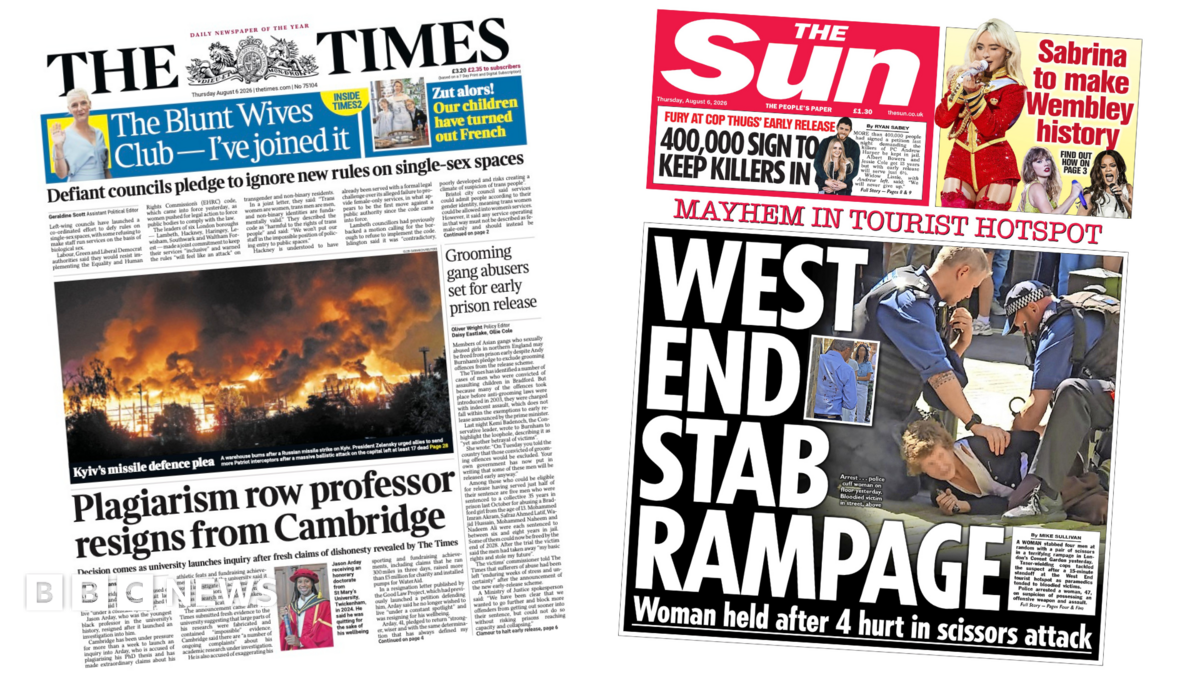
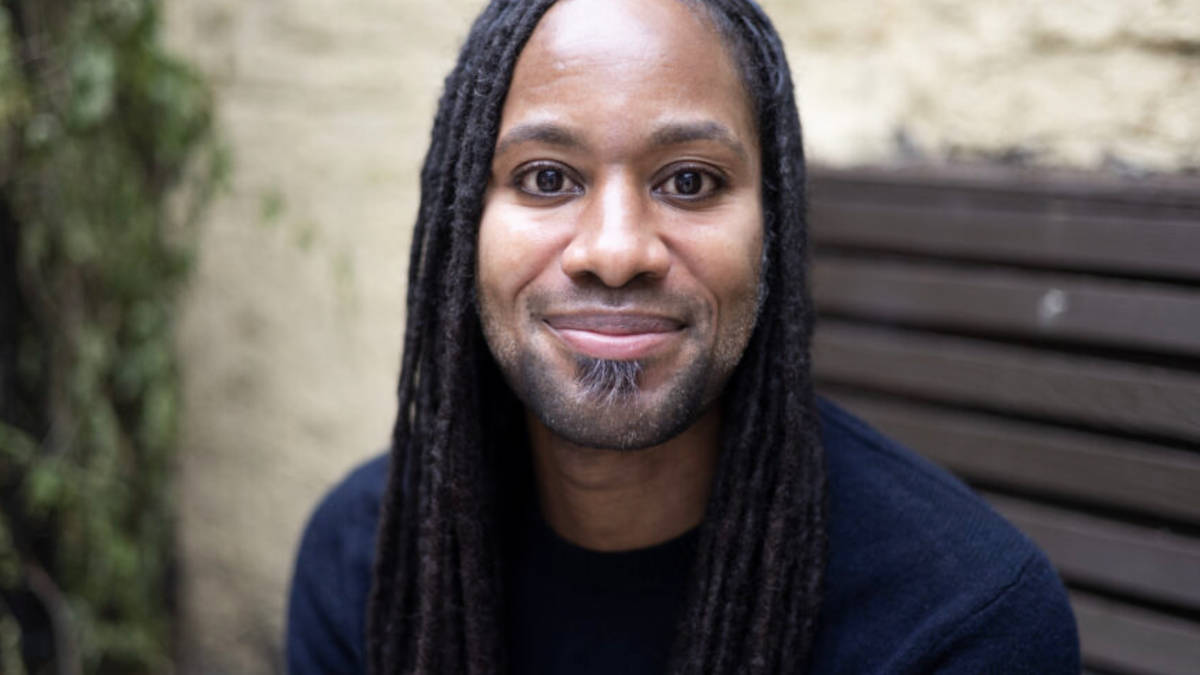
The resignation came just hours after university leadership announced a formal inquiry into new information concerning Arday's academic qualifications and honorary positions, running parallel to ongoing separate assessments handled through formal research misconduct policies. Jesus College also initiated its own independent probe in tandem with the university's central investigation.
The controversy gathered critical momentum after The Telegraph published revelations detailing false claims regarding published books. Investigations revealed that Arday had repeatedly claimed authorship of a book titled Being Young, Black and Male: Challenging the Dominant Discourse, listing it in essay biographies, speaking event promotions, and repository archives, though the publishing house confirmed the project had been abandoned years prior. Similar discrepancies surfaced regarding a second volume, Considering Racialised Contexts in Education, which appeared on staff profiles and book-selling platforms with conflicting publication dates stretching as far out as 2030.
Further pressure mounted as various international institutions—including the University of Glasgow, Ohio State University, and Nelson Mandela University—disputed claims that Arday had held visiting professorships. Additional contradictions emerged regarding a master's degree from Birkbeck University and an honorary professorship at Durham University.
The academic scrutiny originated largely from Nathan Cofnas, a US researcher previously affiliated with Cambridge whose own position ended amid controversy. Cofnas utilized detection software to argue that parts of Arday's PhD thesis contained passages lifted with minimal editing from other works. Arday acknowledged making academic mistakes but firmly rejected accusations that he was a liar, attributing early errors in his work to his autism and a reliance on mimicry to process information.
Debate also surrounded athletic and charitable claims. While Arday previously stated he raised millions for charity through extreme running challenges, subsequent clarifications revealed the fundraising was a collective effort spanning two decades alongside roughly one hundred individuals, and that a reported six-day treadmill run actually spanned a twelve-day period.
The situation divided academic and public spheres. Right-wing commentators and newspapers seized upon the scandal, while supporters rallied around Arday, arguing that the intense investigation formed part of a coordinated campaign to undermine Black academics in positions of influence. An open letter defending him drew more than 15,000 signatures from prominent figures and scholars. Meanwhile, Simon & Schuster defended the professionalism and integrity Arday brought to the publication process for his upcoming memoir, noting that no allegations of plagiarism applied to the book itself.
Chronology of the Controversy
- 2023: Arday assumes his role as professor of sociology of education, becoming Cambridge's youngest Black professor. External academics begin raising initial queries regarding published outputs.
- June 2024: University leadership publicly defends Arday against what it terms a campaign to undermine his credibility, noting prior reviews of his thesis.
- August 5, 2026: Arday submits his resignation with immediate effect, citing personal wellbeing and an unbearable level of public scrutiny.
As the former professor takes time to heal and step away from the academic spotlight, institutional processes regarding research misconduct and staff credential verification remain active across the university apparatus. Observers will be watching to see how Cambridge formalises its policy adjustments in the wake of the inquiry's findings, alongside the scheduled release of Arday's memoir.
How significant is this development?
Contribute your assessment to the aggregated reader sentiment ledger.
Frequently Asked Questions
Key questions answered in this reportWhat is the key development in: Cambridge University professor Jason Arday at centre of plagiarism row resigns?
Cambridge University professor Jason Arday has resigned with immediate effect amid investigations into his academic credentials and background.
Why is this World development significant for the UK?
This report covers critical events in our World beat. Independent reporting monitors related UK statements, regulatory shifts, and public responses as further verified details emerge.
How was this reporting corroborated and verified?
Newsarchy UK compiles and cross-references reporting from primary reporting from aol.com and cross-checked wire reports. All coverage adheres to published editorial standards.
When was this report published?
This briefing was published on August 6, 2026 and is permanently cataloged in the Newsarchy UK World archives.