Ceuta confronts 60,000 migrant surge sparked by online rumors, 67 dead
Misleading social media posts triggered a massive influx of migrants toward Ceuta, resulting in dozens of deaths and widespread border chaos.
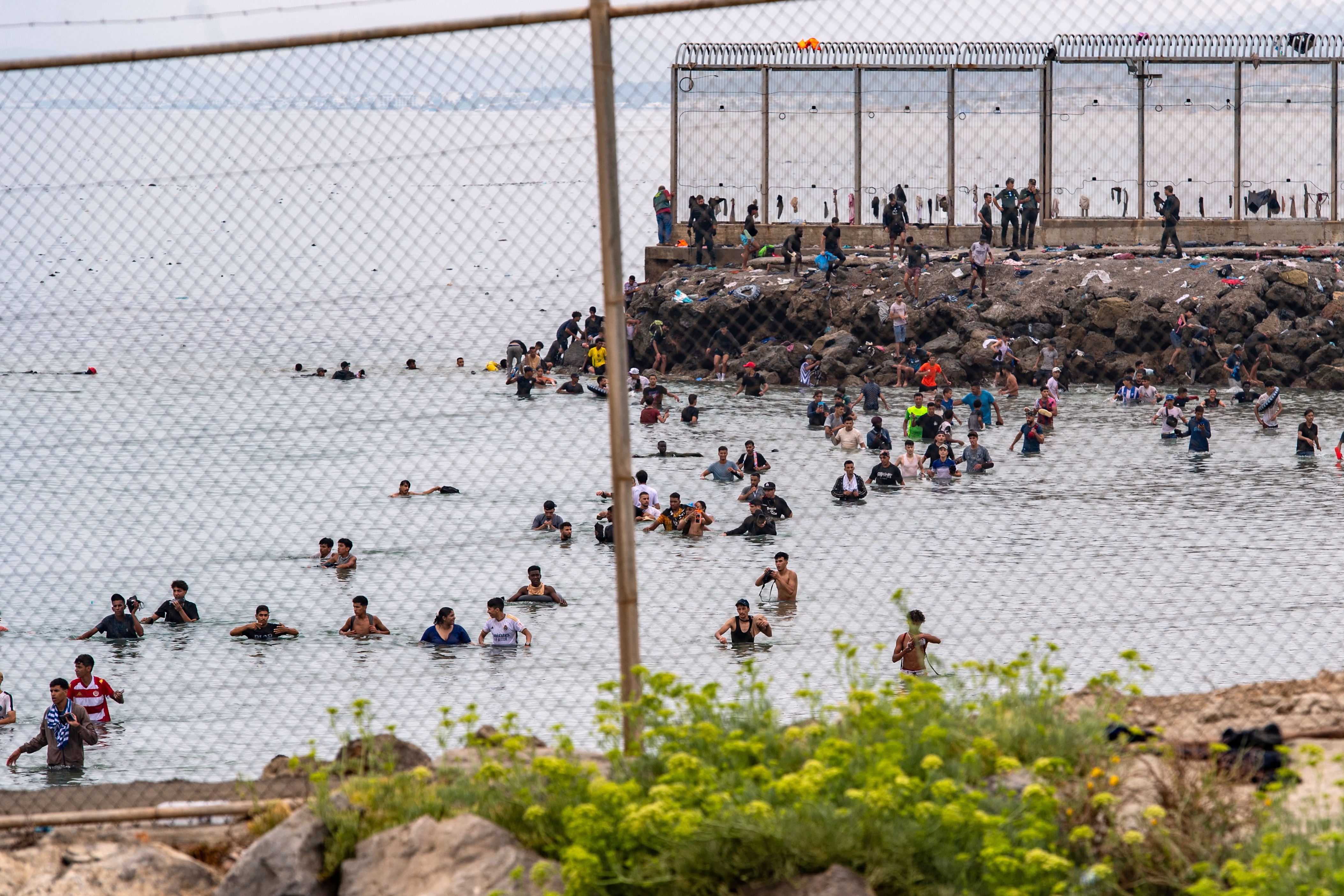
- Core Development: Misleading social media posts triggered a massive influx of migrants toward Ceuta, resulting in dozens of deaths and widespread border chaos.
- Beat Context: Categorized under World with independent corroboration.
- Reporting Depth: 3 minute analytical read synthesized from verified newsroom sources.
The catalyst was a post by an Instagram account called “Haraga Ceuta,” which declared the border “open.” Within hours, TikTok creators uploaded exact swim routes, Facebook groups such as “Fnideq Bab Sebta” posted live vessel‑tracking screenshots, and packed buses and trains surged from the Moroccan city of Fnideq toward the 3‑mile (5‑kilometre) stretch of water that separates the two sides. As AP News reported, the digital frenzy turned the coast into a chaotic battlefield.
What happened on the ground
- July 31 2026 – First groups of migrants arrive at the concrete breakwater, attempting to scramble over slick rocks.
- August 1 2026 – Spanish army soldiers are seen assisting swimmers; many migrants begin a hasty retreat back to Fnideq.
- August 3 2026 – Survivors sleep on Ceuta’s beaches, while Moroccan security forces detain those trying to re‑enter.
Witnesses described a “mass chaos” as dozens of people surged up the breakwater simultaneously, pushing each other into the sea.
“I stepped on the face of a dead man while I was climbing out. I hope God forgives me and all those whose bodies were found,”
Lahcen Kalouch, migrant, via AP News
Official counts differ. The Spanish government has confirmed 67 deaths – a mix of drownings and a stampede – while the Associated Press notes “at least 72 people died on the Spanish side and another 11 on the Moroccan side,” suggesting a higher overall loss. Both figures are cited in the coverage and illustrate the uncertainty surrounding the exact casualty toll.
Why the rumor spread
Social media amplified a misunderstanding of recent Spanish immigration policy. Prime Minister Pedro Sánchez’s regularisation program, aimed at Latin‑American migrants already living in Spain before Jan 1 2026, was misread as a blanket promise of jobs and paperwork for anyone who reached Spanish soil.
said one frustrated participant.“Pedro Sánchez is a liar. He told us if we came, we would get jobs and papers, but they sent us back,”
Adam Assil, migrant from Casablanca, via AP News
Moroccan authorities blamed “the exploitation of the digital sphere” for the mass movement, while Spain’s interior ministry said it had received no prior warning.
underscored the security gap.“Nobody addressed how these individuals managed to breach the border,”
Mustapha Azaitraoui, Moroccan migration geographer, via AP News
Official responses
Within days Madrid announced a 500‑metre containment barrier on the sea border to prevent a repeat of the stampede. The Spanish interior ministry praised cooperation with Moroccan forces, noting that most migrants had already been turned back by Sunday, Aug 2 2026.
Both governments pointed to organized crime. Spain’s interior ministry said investigations into smuggling networks were ongoing and highlighted joint operations against trafficking groups. The Moroccan interior ministry declined to comment on the matter.
A senior Moroccan diplomat, speaking on condition of anonymity, rejected the narrative that Morocco could have simply stopped the flow.
“It would be reductive to say that Morocco should have used force to stop the migrants. We are not Europe’s police,”
Unnamed diplomat, via AP News
Economic backdrop
Morocco’s macro‑economy shows signs of growth – projected at 4.5 % for 2026 – yet youth unemployment remains high, with 37 % of 15‑to‑24‑year‑olds out of work. Among university graduates, the figure hovers near 20 %. The lack of local opportunity fuels the perception that Europe, even a short swim away, offers a viable escape.
For the migrants who survived, returning home has been anything but easy. One 16‑year‑old, who chose to remain anonymous, recounted being met with tear gas and batons on the Moroccan side, and lamented that “there’s nothing for me there.”
How significant is this development?
Contribute your assessment to the aggregated reader sentiment ledger.
Frequently Asked Questions
Key questions answered in this reportWhat is the key development in: Ceuta confronts 60,000 migrant surge sparked by online rumors, 67 dead?
Misleading social media posts triggered a massive influx of migrants toward Ceuta, resulting in dozens of deaths and widespread border chaos.
Why is this World development significant for the UK?
This report covers critical events in our World beat. Independent reporting monitors related UK statements, regulatory shifts, and public responses as further verified details emerge.
How was this reporting corroborated and verified?
Newsarchy UK compiles and cross-references reporting from primary reporting from aol.com and cross-checked wire reports. All coverage adheres to published editorial standards.
When was this report published?
This briefing was published on August 4, 2026 and is permanently cataloged in the Newsarchy UK World archives.