Ceuta Vivas Urges Military Deployment
Ceuta's government leader has stated that reception facilities are overwhelmed after more than 1,500 migrants arrived by sea in the past week.

- Core Development: Ceuta's government leader has stated that reception facilities are overwhelmed after more than 1,500 migrants arrived by sea in the past week.
- Beat Context: Categorized under World with independent corroboration.
- Reporting Depth: 3 minute analytical read synthesized from verified newsroom sources.
Background to the enclave’s vulnerability
Ceuta, perched on the North African coast, has long stood as a prominent entry point for African migrants seeking to cross into European Union territory. Historically, hopeful arrivals have attempted to reach the Spanish exclave from Morocco either by swimming or by scaling heavy border fences. In recent days, however, the volume of sea-borne arrivals has risen significantly, overwhelming the enclave's capacity to process and accommodate newcomers.
According to reports by the Spanish state-run television network RTVE and other media outlets citing regional authorities, hundreds more people arrived in the area in the past few hours. Juan Jesús Vivas, the leader of Ceuta's government, stated that reception facilities were completely overwhelmed as early as Wednesday, leaving hundreds of migrants forced to spend the night on the streets.
Media additions
Scale of the latest surge
Border security was taken by surprise and overwhelmed by the action, according to reports. Vivas told journalists that more than 1,500 migrants, including both adults and minors, had reached Ceuta by sea over the preceding days. Vivas also stated that the reception centres are collapsed and saturated, according to reporting from Tempo.co and ABP Live.
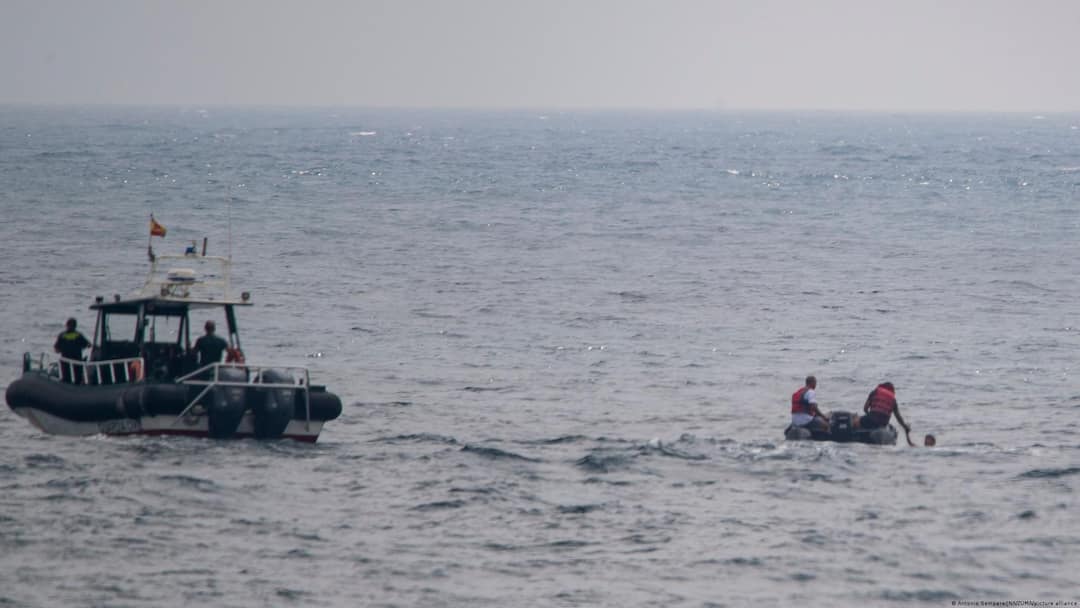
The operational response involved Spain's Civil Guard, maritime Rescue Services, and the Red Cross, which reportedly rescued some 117 migrants from the water. Meanwhile, Moroccan authorities reportedly grabbed dozens of individuals from the water as they made their way toward Spanish waters. Despite these figures, the Spanish government did not confirm the exact number of migrants who had reached the territory by swimming.
Official reactions in Madrid
Interior Minister Fernando Grande-Marlaska addressed the situation during an appearance on the Spanish television channel laSexta. He characterized authorities as facing an extraordinary, exceptional situation. Grande-Marlaska added that officials were managing the challenge using the means already deployed there permanently.
Grande-Marlaska also praised the involvement of Moroccan authorities. He stated that they were cooperating and described the relationship with the kingdom as close and based on loyalty.
Legal backdrop and demographic profile
The surge follows a Spanish Supreme Court ruling issued earlier in the month. That ruling established that migrants arriving by sea cannot be immediately pushed back across the border without due process, differentiating them from individuals crossing by land.
Activists in Morocco and Ceuta have dismissed any direct link between the court decision and the mass crossings, however. They discounted the probability that average Moroccans swimming toward Ceuta would be aware of such jurisprudence. According to the same activists, the swimmers were predominantly Moroccans, alongside a small number of Algerians who had been living in Morocco while trying to migrate to Europe.
Broader migration figures indicate that arrivals through the Mediterranean enclaves of Ceuta and Melilla are lower this year compared to the same period last year. Many prospective travellers have instead sought alternative routes, such as the Canary Islands.
What comes next?
In response to the surge, Vivas called on the central government in Madrid to declare a state of emergency for reasons of national security and to deploy the military to the border between Morocco and Ceuta. It remains unclear why so many people sought to swim toward Spanish territory.
How significant is this development?
Contribute your assessment to the aggregated reader sentiment ledger.
Frequently Asked Questions
Key questions answered in this reportWhat is the key development in: Ceuta Vivas Urges Military Deployment?
Ceuta's government leader has stated that reception facilities are overwhelmed after more than 1,500 migrants arrived by sea in the past week.
Why is this World development significant for the UK?
This report covers critical events in our World beat. Independent reporting monitors related UK statements, regulatory shifts, and public responses as further verified details emerge.
How was this reporting corroborated and verified?
Newsarchy UK compiles and cross-references reporting from primary reporting from en.tempo.co and cross-checked wire reports. All coverage adheres to published editorial standards.
When was this report published?
This briefing was published on July 30, 2026 and is permanently cataloged in the Newsarchy UK World archives.