Donald Trump endorses Irish unity during visit to Dublin and Doonbeg
US President Donald Trump sparked debate during his Irish visit by expressing support for a unified Ireland, drawing mixed political reactions.

Donald Trump used a high-profile visit to Ireland to issue an explicit endorsement of Irish unity, declaring that he would love to see the island unified and describing the prospect as a fantastic and very cool thing. The remarks, delivered during a free-flowing press conference and later repeated at a marquee address in Dublin, instantly upended domestic political calculations and reverberated across the Atlantic, where commentators questioned whether the statement signaled a formal shift in Washington policy or merely another off-the-cuff declaration from the US leader.
The presidential tour began on Saturday, 12 September 2026, with formal meetings in Dublin, where Trump visited Áras an Uachtaráin to speak with Irish President Catherine Connolly, before holding talks with Taoiseach Micheál Martin at Farmleigh House in the Phoenix Park. According to reports from the Irish Times, Connolly conveyed the strong view of the Irish people that the normalization of war and genocide can never be accepted. Meanwhile, public opposition crystallized in the capital and County Clare, where demonstrators gathered to condemn US military backing for Israel.
Media additions
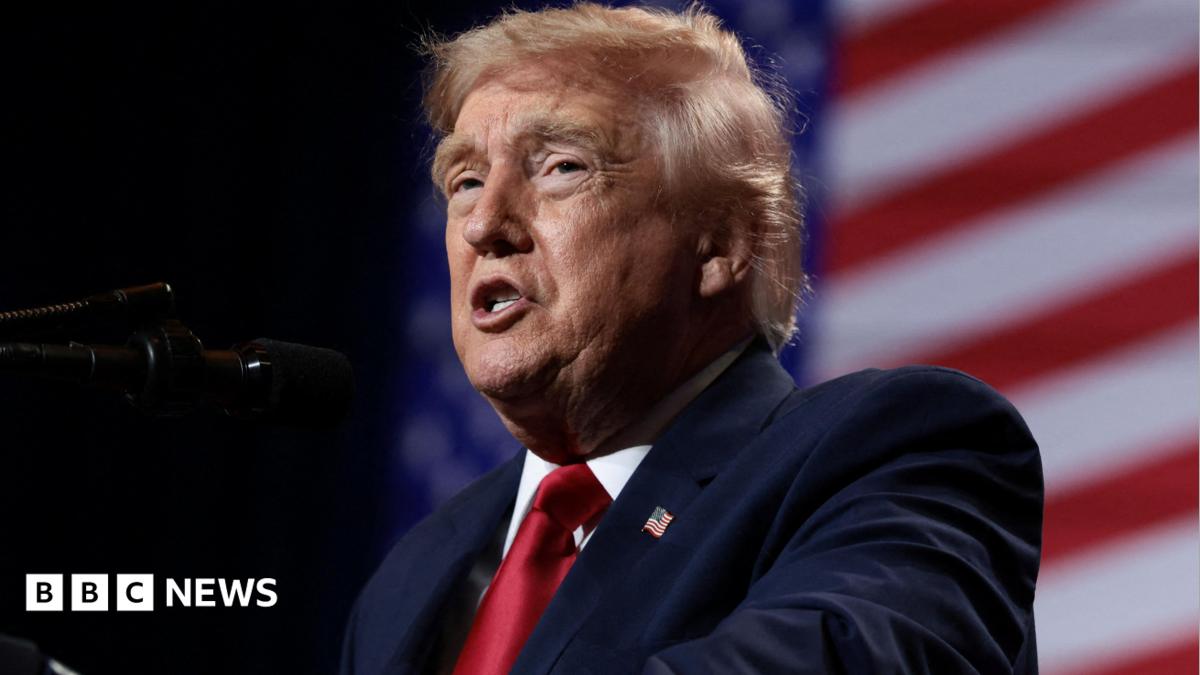
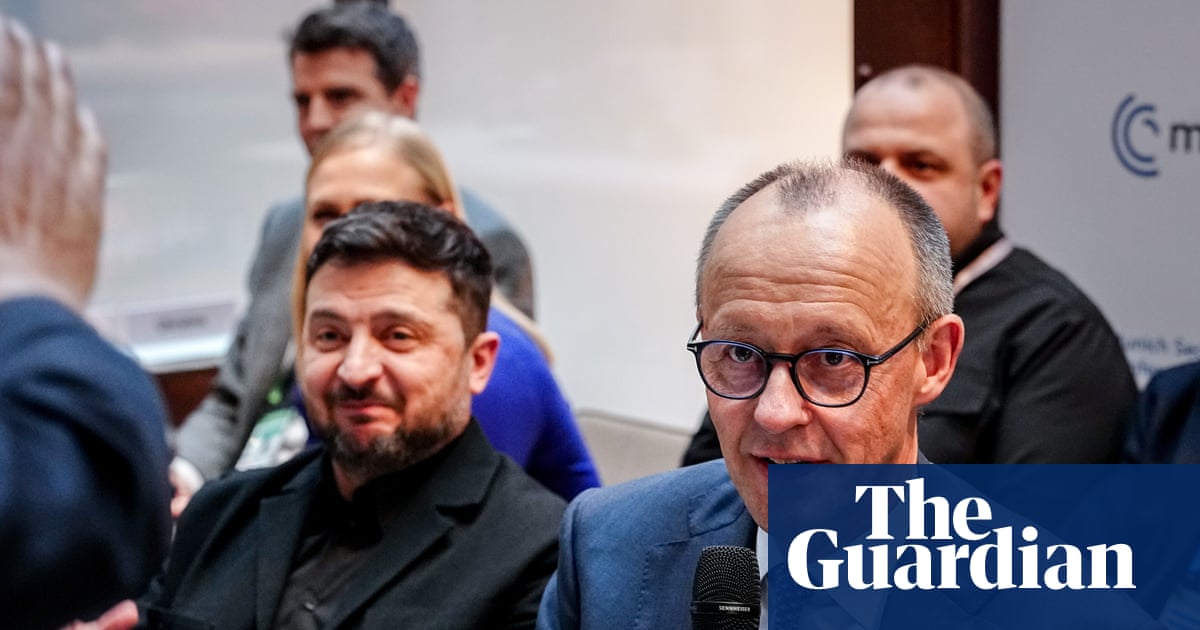
As the presidential motorcade and Marine One helicopter transferred Trump to the Trump International Golf Links in Doonbeg for the Irish Open, activists voiced fierce opposition. Community worker Sarah Clancy and other protesters assembled near the Co. Clare resort and Shannon Airport to denounce the administration's foreign policy. Similar anger boiled over in Dublin, where a crowd marched from O’Connell Street to Dawson Street, and a splinter group burned a US flag near the Dáil.
Political reaction to Trump's unity remarks was swift and fractured. Former taoiseach Leo Varadkar welcomed the endorsement while emphasizing that the Good Friday Agreement leaves unification strictly to the people north and south. Conversely, Conservative leader Kemi Badenoch criticized the remarks as deeply unhelpful shoot-from-the-hip talk, and Reform UK leader Nigel Farage insisted that Northern Ireland remains a proud part of the United Kingdom. Sinn Féin leader Mary Lou McDonald argued that the conversation on unity has shifted and placed the onus on the Taoiseach to begin formal planning.
| Political Figure | Affiliation / Role | Stance on Trump's Unity Remarks |
|---|---|---|
| Leo Varadkar | Former Taoiseach | Welcomed the comments, noting America's special role in the national story |
| Kemi Badenoch | Conservative Leader (UK) | Dismissed remarks as deepy unhelpful and loose talk |
| Nigel Farage | Reform UK Leader | Disagreed, asserting Northern Ireland neither wants a referendum nor unification |
| Mary Lou McDonald | Sinn Féin Leader | Argued the conversation has shifted and urged planning for a peaceful transition |
Foreign policy analysts and former officials urged caution against over-interpreting the comments. Mick Mulvaney, who served as US special envoy to Northern Ireland during Trump’s first term, stated that the remarks do not represent a shift in US foreign policy and that bipartisan commitment to the Good Friday Agreement remains firm.
Trump will complete his stay by presenting the Irish Open trophy at Doonbeg before departing for the United States. In the interim, Irish political parties continue to weigh the long-term domestic implications of the president's unexpected intervention.


