Wildfires continue to rage as Europe swelters under extreme heat
Severe wildfires driven by extreme heatwaves continue to ravage regions across Europe, triggering evacuations and straining energy and retail sectors.
- Core Development: Severe wildfires driven by extreme heatwaves continue to ravage regions across Europe, triggering evacuations and straining energy and retail sectors.
- Beat Context: Categorized under World with independent corroboration.
- Reporting Depth: 4 minute analytical read synthesized from verified newsroom sources.
Severe wildfires continue to burn across multiple regions in Europe while record-breaking heatwaves grip the continent. As Euronews reports, the crisis has triggered urgent evacuations, strained water resources, and severely impacted local ecosystems. At the same time, Cardealermagazine notes that extreme weather has taken a toll on daily commerce and footfall across the UK, keeping shoppers away from high streets as temperatures fluctuate and further heat alerts are issued.
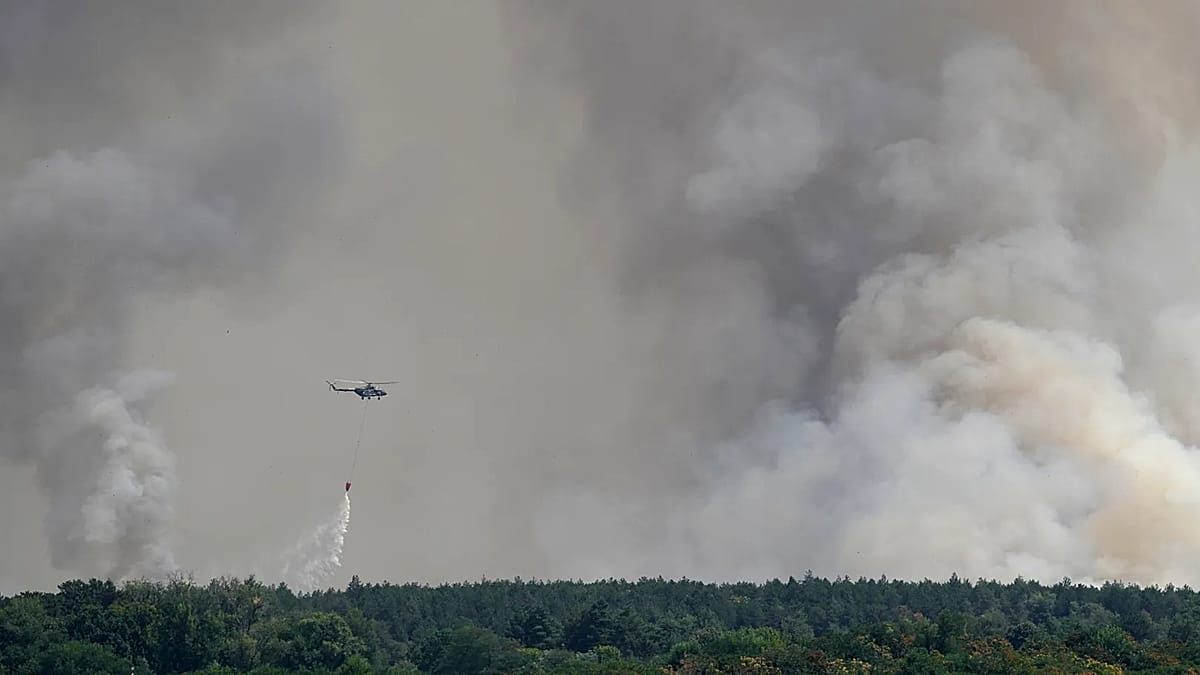
On Friday, firefighters continued battling multiple wildfires across Serbia as temperatures soared. In the northeast of the country, firefighting units deployed both ground crews and helicopters to combat a blaze in a nature reserve. Local authorities stated that the flames had scorched at least 700 hectares of land in the Deliblato Sands special natural reserve, located roughly 50 kilometres east of Belgrade. Near the town of Kraljevo, several blazes also continued to burn, forcing residents of nearby villages to evacuate. Local residents reported that more than 150 acres of pine wood forest had been destroyed in just a couple of days.
Media additions

"The damage is huge. It's a young pine wood forest, these pines were planted during the '80s"
One resident, Local resident, via The Associated Press
On Thursday, another major fire swept through the Ibar valley in central Serbia. Assisted by water-bombing aircraft, firefighters tackled the rough terrain to protect nearby villages. Serbia was not the only country affected, as days of extreme heat with temperatures reaching 40 degrees Celsius fuelled wildfires across several Balkan countries on Thursday.
Southeastern Europe also continues to swelter under extreme heat. In the northern Italian region of Emilia-Romagna, a wildfire broke out in a remote area of Vedriano, with firefighting efforts underway since Thursday afternoon. Italy has placed all its major cities under the highest heat alert. In neighbouring France, a major wildfire in the southern Var region is no longer spreading, but firefighters maintain a large presence because of the risk of flare-ups.
"It's a fire that can last over long periods of time. In the mornings, for example, it’s about setting up because (fire) risks with winds and rising heat increase in the afternoon"
Chief Sergeant Anthony, Marseille Naval Fire Battalion, via Euronews
The fire in the southern Var region started on July 20 and has burnt more than 60 square kilometers, marking the largest blaze recorded in the region in recent decades.
Wider Economic and Environmental Pressures
Europe's extreme summer weather has also taken a toll on the continent's rivers, with parts of the Danube falling to record-low water levels. While it is not unusual for river levels to decrease during the summer months, this year's drop has been unprecedented. In Hungary, the Danube's exceptionally low water levels triggered an energy crisis, forcing the country to shut down its only nuclear power plant, which relies on water from the river for cooling. Last week, Serbia also had to reduce its power generation from hydroelectric plants, with its two biggest plants having been reduced to an output just 20 and 30 percent of their capacities.
This environmental strain mirrors long-term trends identified by the European State of the Climate 2025 report, which highlights Europe as the world's fastest-warming continent, with temperatures rising at around twice the global average. The report warned that heatwaves are expected to become more frequent, more intense and occur later and earlier in the year as the climate continues to warm.
The disruption extends to domestic economies and infrastructure. Heatwave conditions continued to bear down on shopper footfall in July, with the high street particularly badly affected. Total UK footfall was down 2.1% on a year earlier, though representing an improvement on the 3.4% drop seen in June, according to British Retail Consortium and Sensormatic data. England recorded the weakest performance of any UK nation with an overall footfall drop of 3%, while London was down 5.3%, highlighting the continued challenges facing larger urban centres during periods of extreme heat, Sensormatic said.
These retail figures coincide with Met Office warnings that heat health alerts have been issued for large parts of England. Temperatures had dropped down closer to averages for this time of year from Wednesday, but they are expected to rise again from Saturday. By next Tuesday, much of central and southern England as well as some parts of Wales are set to see highs of 30C to 33C, according to the forecaster.
What to Watch Next
- Continuation of firefighting and containment operations in Serbia, Italy, and France as afternoon winds and rising heat threaten potential flare-ups.
- Water levels along the Danube River and the subsequent operational status of dependent energy infrastructure, including Hungary's nuclear power production.
- Met Office temperature trajectories as heat health alerts take effect across England and Wales heading into the weekend and early next week.
- Retail footfall tracking in major UK urban centres as high street merchants navigate renewed heatwave conditions.
How significant is this development?
Contribute your assessment to the aggregated reader sentiment ledger.
Frequently Asked Questions
Key questions answered in this reportWhat is the key development in: Wildfires continue to rage as Europe swelters under extreme heat?
Severe wildfires driven by extreme heatwaves continue to ravage regions across Europe, triggering evacuations and straining energy and retail sectors.
Why is this World development significant for the UK?
This report covers critical events in our World beat. Independent reporting monitors related UK statements, regulatory shifts, and public responses as further verified details emerge.
How was this reporting corroborated and verified?
Newsarchy UK compiles and cross-references reporting from primary reporting from euronews.com and cross-checked wire reports. All coverage adheres to published editorial standards.
When was this report published?
This briefing was published on August 8, 2026 and is permanently cataloged in the Newsarchy UK World archives.