France approves first EU blanket ban on social media for under‑15s
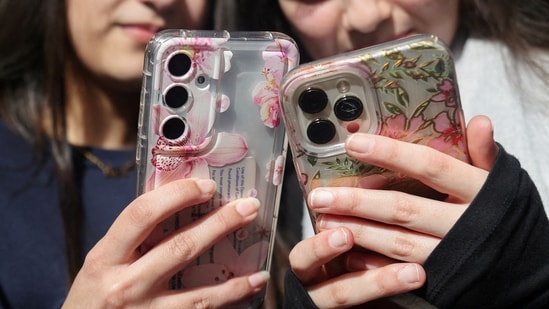
The French Parliament approved legislation requiring major social media platforms to block users under 15, with new accounts barred from September 2026.

- Core Development: The French Parliament approved legislation requiring major social media platforms to block users under 15, with new accounts barred from September 2026.
- Beat Context: Categorized under World with independent corroboration.
- Reporting Depth: 4 minute analytical read synthesized from verified newsroom sources.
On Tuesday 21 July 2026 the French Parliament voted to bar children under 15 from creating new accounts on major social‑media platforms, a move that makes France the first European Union member to impose a blanket ban. The legislation, championed by President Emmanuel Macron as a “major step forward” for child protection, is slated to take effect at the start of the school year in September, with existing accounts to be shut down from January 2027.
The vote in the lower house, the National Assembly, passed the bill by 279 votes to 81; the Senate had approved the measure earlier the same day. The Guardian reported that the two chambers had previously disagreed on whether a two‑tier, “black‑list” system should apply, but the lower house’s broader approach prevailed.
Media additions

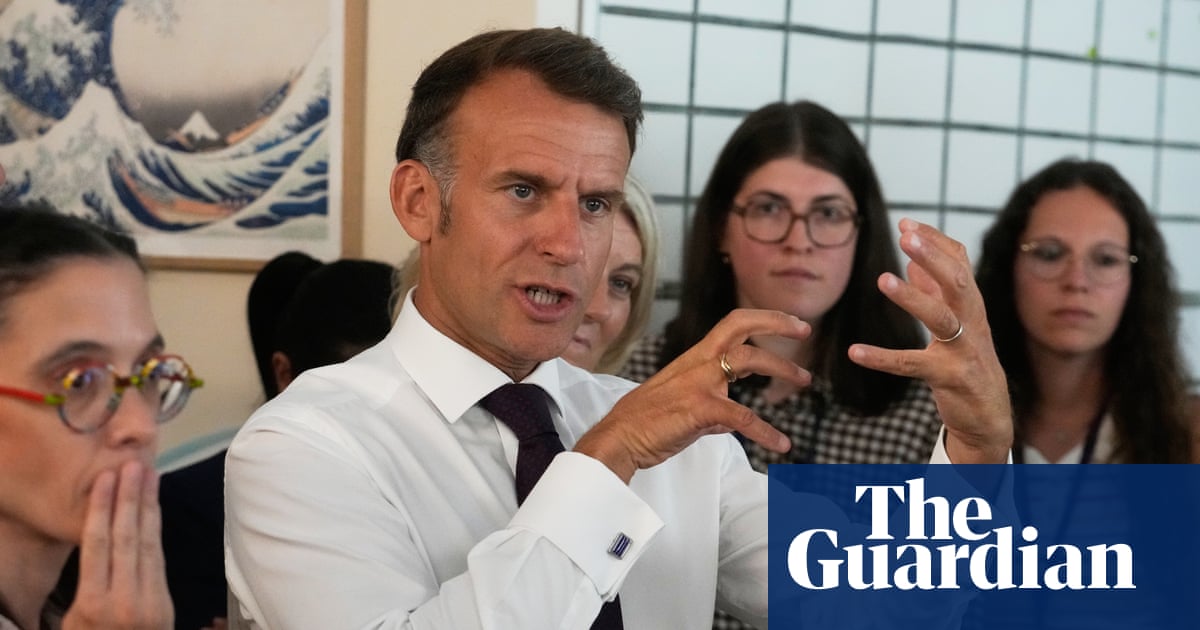
President Macron, speaking in a video posted on X, said:
"France is leading the way in Europe when it comes to protecting our children and teenagers."
Emmanuel Macron, President of France, via The Guardian
He added that the Constitutional Council must now review the law before enforcement can begin.
Digital Minister Anne Le Henanff told journalists that the timeline is realistic because “age‑verification tools already exist” and that platforms will be required to close any account belonging to a user under 15. “For four months, all of us in France will have to prove our age,” she said, reassuring the public that personal data would be safeguarded.
Families who have sued TikTok over alleged links between the app and teenage suicides have welcomed the ban. Gaelle Berbonde, a mother from the Paris region, explained that her daughter began using a smartphone in seventh grade and soon fell into self‑harm, anorexia and depression. “We’ve been campaigning for this bill from the start because, frankly, we have no other option, no other way to counter tech giants,” she said.
"We’ve been campaigning for this bill from the start because, frankly, we have no other option, no other way to counter tech giants."
Gaelle Berbonde, parent, via Irish Examiner
The health watchdog Santé Publique France warned that “one in two teenagers spends between two and five hours a day on a smartphone.” Its December report showed that “some 90 % of children between 12 and 17 use smartphones daily to access the internet, with 58 % of them using their devices for social networks.” The agency linked the high usage to reduced self‑esteem and exposure to risky content such as self‑harm, drug use and suicide.
Opposition voices, mainly from the left‑wing France Unbowed party, warned that the bill’s constitutionality is “unclear” and questioned the feasibility of enforcing age verification. Legal adviser Ines Legendre of e‑Enfance noted, “We’ll also have to address the issue of existing accounts for those under 15. How do we identify them? How do we suspend them?” The Senate’s original proposal would have limited the ban to “black‑listed” platforms deemed harmful, allowing parental consent for others—a compromise that was set aside in the final vote.
Lawmaker Laure Miller, speaking to AFP, expressed confidence that “the major platforms are, in my view, largely ready” to implement the required tools. Senator Catherine Morin‑Desailly, who oversaw the bill in the upper house, said the black‑listing system “would have taken more time” and carried a “small risk” of clashing with EU law.
"The major platforms are, in my view, largely ready."
Laure Miller, Parliamentarian, via The Guardian
The legislation contains narrow exceptions for “online encyclopedias and educational platforms.” No penalties are outlined for children or parents who breach the ban, leaving enforcement largely in the hands of the platforms themselves.
France’s move arrives amid a growing global trend. In December 2025, Australia became the first country to force TikTok, YouTube, Snapchat and other top sites to delete accounts belonging to users under 16 or face heavy fines. The EU has been debating a continent‑wide social‑media age limit, with Ursula von der Leyen recently calling for “phased and gradual access” for children.
Implementation will hinge on the Constitutional Council’s ruling, expected in the coming months, and on the rollout of the European Commission’s age‑verification app, which France has already begun testing.
Key dates
| Event | Date |
|---|---|
| Senate approves bill | 21 July 2026 |
| National Assembly passes bill (279‑81) | 21 July 2026 |
| Ban on new accounts for under‑15s starts | 1 September 2026 |
| Existing under‑15 accounts to be closed | January 2027 |
| High‑school mobile‑phone ban takes effect | September 2026 |
What to watch next
- Constitutional Council ruling on the bill’s compatibility with French law.
- Compliance deadlines for
How significant is this development?
Contribute your assessment to the aggregated reader sentiment ledger.
Frequently Asked Questions
Key questions answered in this reportWhat is the key development in: France approves first EU blanket ban on social media for under‑15s?
The French Parliament approved legislation requiring major social media platforms to block users under 15, with new accounts barred from September 2026.
Why is this World development significant for the UK?
This report covers critical events in our World beat. Independent reporting monitors related UK statements, regulatory shifts, and public responses as further verified details emerge.
How was this reporting corroborated and verified?
Newsarchy UK compiles and cross-references reporting from primary reporting from irishexaminer.com and cross-checked wire reports. All coverage adheres to published editorial standards.
When was this report published?
This briefing was published on July 21, 2026 and is permanently cataloged in the Newsarchy UK World archives.