France blames Iran for cyberattacks targeting commercial refrigerators
French officials have formally blamed Iran for a sweeping cyber sabotage campaign targeting commercial refrigeration systems, resulting in massive food spoilage, fires, and international tensions.

French authorities publicly accused Iran's Revolutionary Guards of orchestrating a sweeping cyber sabotage campaign that disabled commercial refrigeration systems nationwide, raising international tensions amid an ongoing Middle East conflict.
The sabotage unfolded on Monday, November 9, 2026, when French officials formally linked state-backed hackers to the October breaches as reported by the Sunday Times. French Foreign Minister Jean-Noël Barrot stated via Yahoo News that the digital offensive was unprecedented in both scale and aggression, marking the first large-scale cyberattack aimed at physical sabotage on French soil.
Media additions

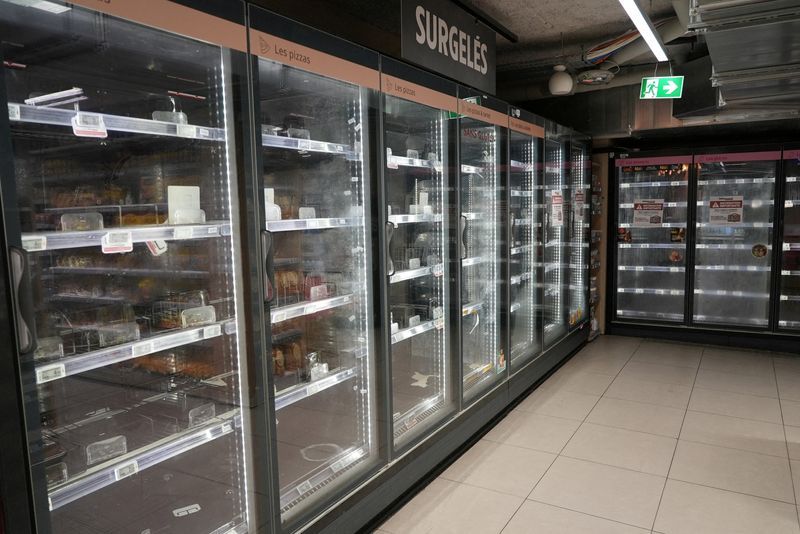
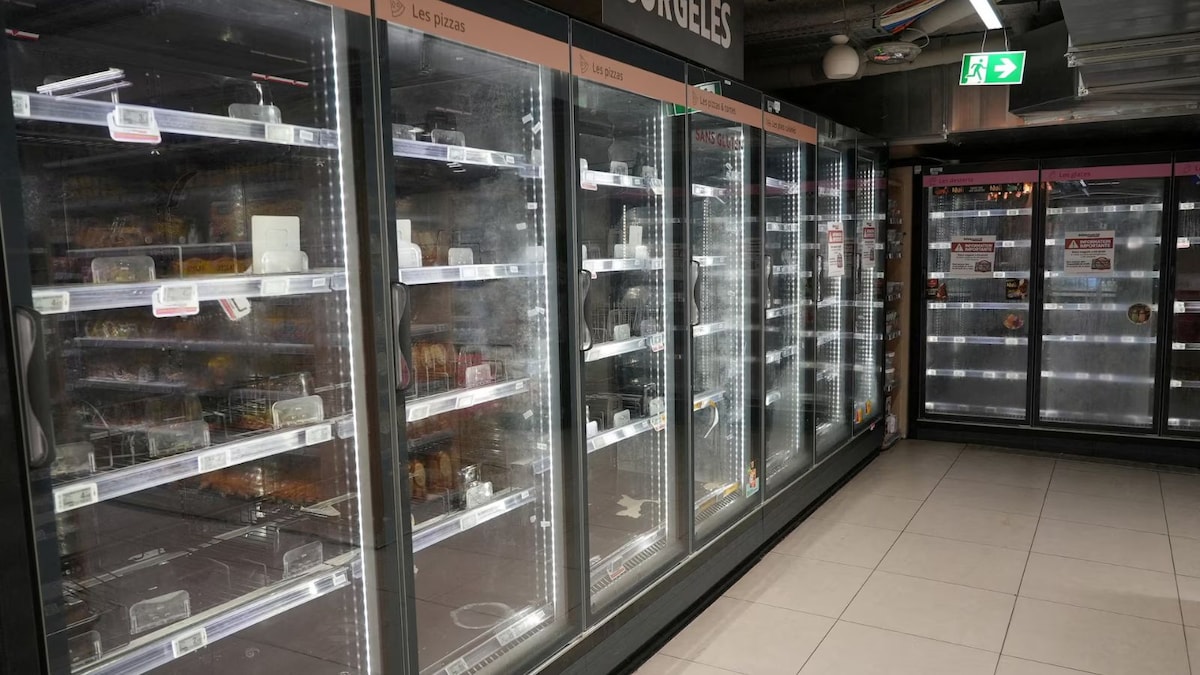
The attacks began on October 11, 2026, targeting commercial refrigerators and freezers by remotely overriding temperature controls through vulnerable web interfaces. Security sensors designed to trigger warnings when temperatures exceeded safe thresholds were simultaneously deactivated. According to The Star, the hacks drove internal temperatures so high that at least 15 separate fires broke out across the affected commercial spaces.
Supermarket employees were forced to discard vast inventories of melting ice cream and spoiled meat into giant refuse containers. One French supermarket owner estimated that nationwide costs could eventually reach tens of millions of euros.
A joint intelligence report compiled by French spy and cybersecurity agencies attributed the operations to Shahid Kaveh, an offensive cyber unit tied to the Islamic Revolutionary Guard Corps Electronic and Cyber Centre. Paris prosecutors identified the individuals leading the unit as Hamid Reza Lashgarian, Reza Salarvand, and Mahdi Lashgarian. Judicial authorities have formally requested international arrest warrants for the three men.
Investigators connected the unit to the sabotage by tracking digital infrastructure, recognizing recurring intrusion patterns, and recovering traces of Farsi within the attack tools. The hackers allegedly operated behind various front groups masquerading as vigilante collectives, including CyberAveng3rs and the Cyber Isnaad Front.
Cybersecurity analysts noted that the attacks succeeded primarily due to weak network security rather than advanced digital weaponry. Saher Naumaan, a senior threat researcher at Proofpoint, observed that the cold-storage incidents reflected the vulnerability of industrial hardware rather than exceptional cyber prowess. Many of the compromised units were obsolete or operated on outdated firmware, which allowed outside actors to breach web interfaces with relative ease.
The following table outlines the reported targets and incidents linked to the broader sabotage campaign:
| Date / Period | Location / Target | Nature of Incident |
|---|---|---|
| February 2026 | Global context | Outbreak of war between the United States, Israel, and Iran following the killing of supreme leader Ali Khamenei |
| March 2026 | Los Angeles, USA | Disruptions affecting local transit systems |
| July 2026 | United States | Cyber disruption targeting water treatment plants |
| August 2026 | United States | Refrigerators in at least six military commissaries experience mechanical failures under Pentagon investigation |
| August 2026 | At sea | Incidents of digital disruption affecting ships bound for the United States |
| October 11–12, 2026 | France (700 commercial sites) | Widespread supermarket refrigerator hacks, causing food spoilage and at least 15 fires |
| Early November 2026 | Europe (at least 9 countries) and French blood banks | Second wave of refrigeration hacks, forcing blood units to be relocated to alternative cold storage |
The October incidents in France were followed by a second wave of attacks in November 2026, which struck more than 100 establishments across Europe. This later wave also affected refrigeration units utilized by French blood banks, forcing medical personnel to hastily transfer stored blood into alternative cold storage facilities as detailed by the Star Telegram. Tech giant Microsoft had reportedly linked Iran to the initial October cold-storage sabotage privately weeks prior according to reporting from CNBC-TV18.
The sabotage in France follows a pattern of digital disruptions recorded since the outbreak of the conflict in February 2026. Pentagon investigators have similarly examined whether Iran was behind an August incident that disabled refrigerators in at least half a dozen military commissaries across the United States. While US officials are treating those malfunctions as a suspected cyberattack in coordination with French counterparts, investigations remain active.
In response to the French findings, Foreign Minister Barrot announced that Paris had summoned the Iranian ambassador to lodge a formal protest. France plans to pursue punitive measures at the European Union level against all individuals and entities deemed responsible. Meanwhile, EU foreign policy chief Kaja Kallas echoed calls for a robust collective response, and US Secretary of State Marco Rubio condemned the Revolutionary Guards as a deranged group of revolutionaries.
Iran's mission to the United Nations did not respond to requests for comment, maintaining its routine denial of involvement in malicious cyber operations.
What to watch next
- Pending European Union foreign policy deliberations regarding coordinated sanctions against Shahid Kaveh and its leadership.
- Developments surrounding the international arrest warrants requested by Paris prosecutors against Hamid Reza Lashgarian, Reza Salarvand, and Mahdi Lashgarian.
- Further findings from Pentagon investigators regarding the suspected cyber sabotage of United States military commissaries.