France suspends stun grenades at high‑school protests after boy loses hand
France has halted the deployment of stun grenades by riot police at high-school demonstrations after a 15-year-old boy lost a hand in Lens.
- Core Development: France has halted the deployment of stun grenades by riot police at high-school demonstrations after a 15-year-old boy lost a hand in Lens.
- Beat Context: Categorized under World with independent corroboration.
- Reporting Depth: 4 minute analytical read synthesized from verified newsroom sources.
France has halted the deployment of stun grenades by riot police at high‑school demonstrations after a 15‑year‑old boy lost a hand in a clash in Lens. The decision, announced by Interior Minister Laurent Nuñez, follows a wave of violence that has left hundreds injured and thousands arrested across the country.
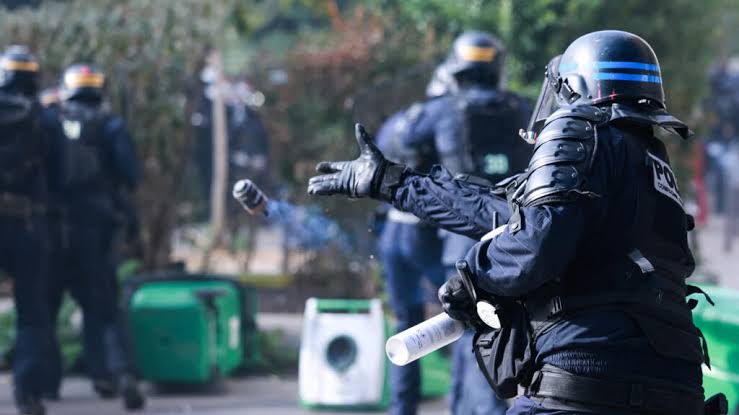
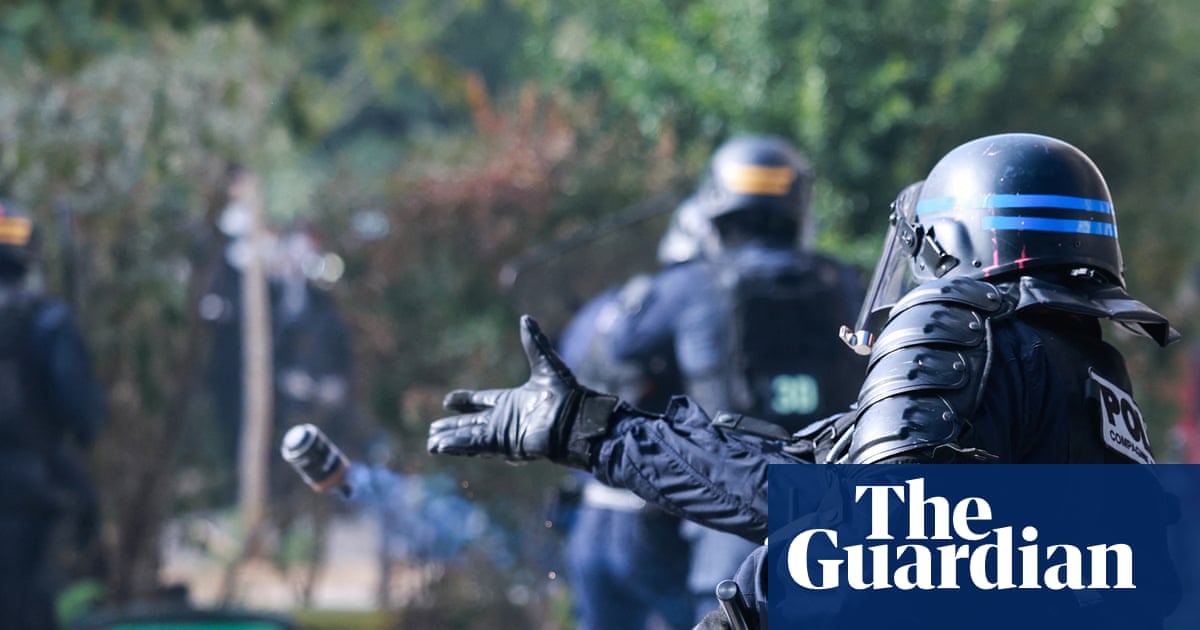
The protest movement, which began in late September over teacher shortages, crumbling school buildings and long class hours, has escalated into a nationwide crisis. On Monday, a boy in Lens was struck by a police stun grenade that exploded near the Auguste Béhal high school. His mother, speaking to BFMTV, said the boy’s hand had been amputated and that he had not touched the device. The incident prompted the minister’s immediate suspension of the weapon in this context.
Media additions


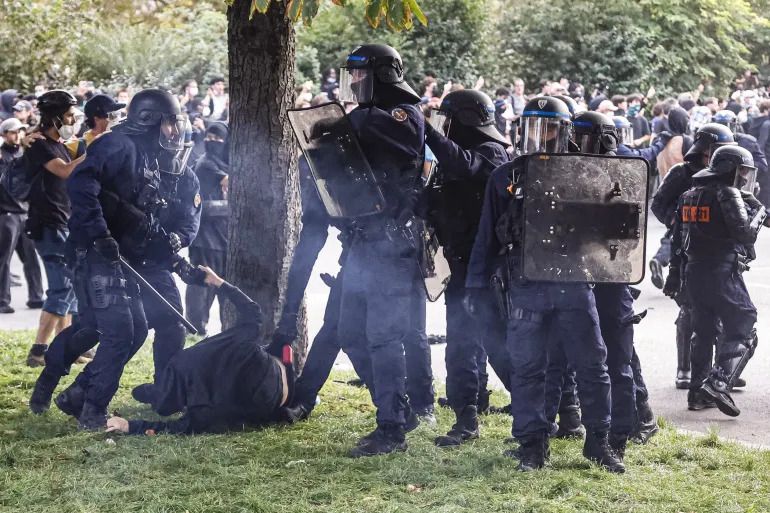
Nuñez told RTL radio that the use of the grenades would remain paused until the facts of the Lens case were clarified. He added that 18 internal police investigations had already been opened over alleged brutality during the protests, including incidents in which a protester lost teeth and another lost sight in an eye. The police inspectorate is examining whether the grenade was fired in accordance with regulations and whether it was picked up by the boy or fell on him.
Protesters have accused police of disproportionate force, a claim echoed by rights groups and teachers’ unions. Amnesty France praised the suspension as an “important first step” but called for a permanent ban on stun grenades in all policing. The organisation warned that the devices can cause permanent hearing loss and other serious injuries.
Meanwhile, the government has faced mounting pressure to address the grievances that sparked the demonstrations. Prime Minister Sébastien Lecornu said France could not remain indifferent to students’ concerns and promised to deliver a televised address on the protests and the country’s finances later that week. He pledged to present an action plan on renovating school buildings, hiring teachers and reorganising timetables by the end of October.
Education Minister Édouard Geffray added that 24 high schools had been damaged by fire or vandalism to the extent that they would stay closed for weeks, affecting about 30,000 students. He estimated the cost of repairs would be between 20 and 30 million euros. The government is also pursuing legislation that would require those responsible for damage to contribute to repair costs.
Across the country, more than 500 schools remained closed a day after the protests spread from the Paris region to smaller towns. The protests, which have coincided with a period of economic uncertainty and an upcoming presidential election, have drawn criticism from opposition parties, who accuse the government of stoking unrest. The radical‑left party La France Insoumise has been accused of encouraging the movement, though its leader has urged non‑violence.
| Category | Number |
|---|---|
| Students injured | 215 |
| School staff injured | 89 |
| Police officers wounded | 761 |
| Arrests | 488 |
The incident in Lens is not the first serious injury reported during the protest wave. A 14‑year‑old in northwest Paris was hit in the jaw by a tear‑gas grenade, and a 16‑year‑old in Strasbourg suffered a hand injury after a mortar firework. These cases have fueled calls for a review of police tactics and the types of munitions used in crowd control.
In the days ahead, the government is expected to continue its investigations. The Interior Ministry has indicated that the decision to suspend stun grenades will remain in place until the outcome of the Lens inquiry is known. The police inspectorate’s findings will determine whether the equipment was used in line with legal guidelines.
Student unions, teachers’ unions and parents’ groups have called for further demonstrations. A march is planned for Thursday, with organisers estimating that half a million people may join. The protests are set to continue through the week, with the possibility of additional school closures and blockades.
What to watch next:
- The Interior Ministry’s release of the Lens investigation findings.
- The Prime Minister’s televised address on the protests and the country’s finances.
- Government proposals on school renovations and teacher recruitment, due by the end of October.
- Police and union statements on the future use of non‑lethal munitions.
The suspension of stun grenades is a notable shift in France’s approach to policing student protests. Whether it will quell the unrest or simply delay further clashes remains to be seen. The coming weeks will test the government’s ability to balance public order with the legitimate demands of a generation of students who have been demanding better conditions for years.
For more on the protests, see France suspends stun grenade use at student protests after teen loses hand, French student loses hand during school protests and France to shutter up to 500 schools as more student protests called.
How significant is this development?
Contribute your assessment to the aggregated reader sentiment ledger.
Frequently Asked Questions
Key questions answered in this reportWhat is the key development in: France suspends stun grenades at high‑school protests after boy loses hand?
France has halted the deployment of stun grenades by riot police at high-school demonstrations after a 15-year-old boy lost a hand in Lens.
Why is this World development significant for the UK?
This report covers critical events in our World beat. Independent reporting monitors related UK statements, regulatory shifts, and public responses as further verified details emerge.
How was this reporting corroborated and verified?
Newsarchy UK compiles and cross-references reporting from primary reporting from theguardian.com and cross-checked wire reports. All coverage adheres to published editorial standards.
When was this report published?
This briefing was published on October 7, 2026 and is permanently cataloged in the Newsarchy UK World archives.