Cyberattack hits French blood banks but no samples compromised
Hackers infiltrated the refrigeration systems of French blood banks in an attempt to raise temperatures, though rapid monitoring prevented any damage.
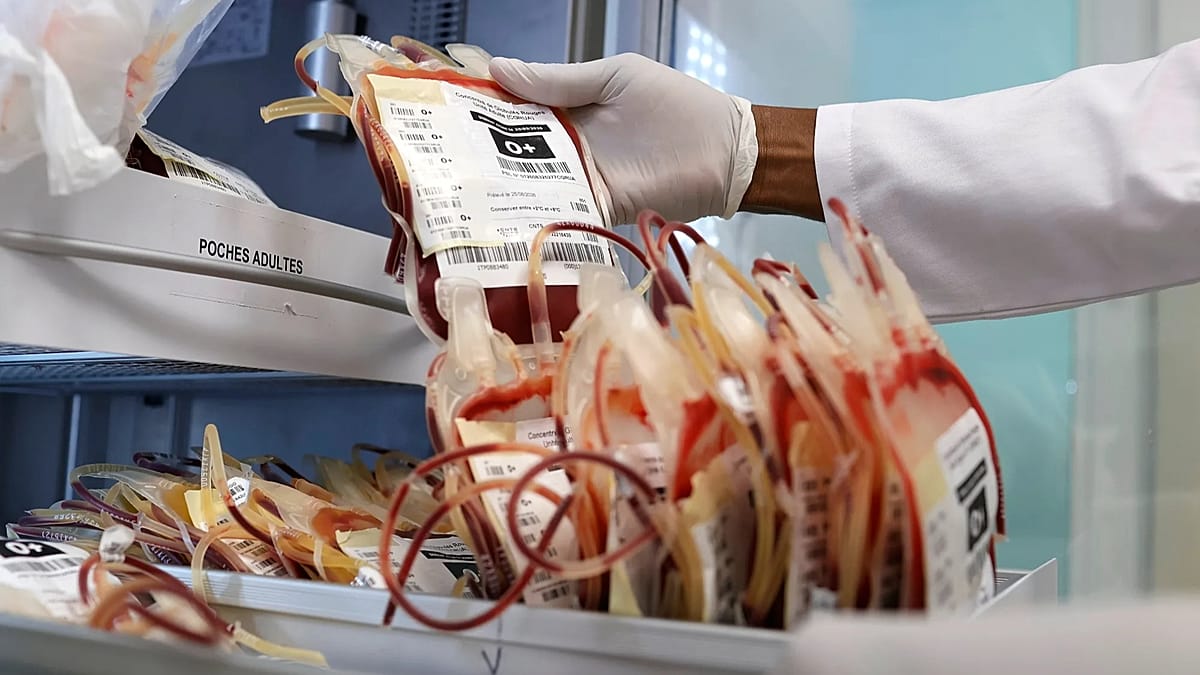
- Core Development: Hackers infiltrated the refrigeration systems of French blood banks in an attempt to raise temperatures, though rapid monitoring prevented any damage.
- Beat Context: Categorized under World with independent corroboration.
- Reporting Depth: 4 minute analytical read synthesized from verified newsroom sources.
On the evening of 1 November 2026, a group of hackers infiltrated the refrigeration systems that keep France’s national blood supply cold, attempting to raise temperatures to 110 °C. The attack was stopped before any plasma bags were damaged, leaving the country’s blood bank network intact but raising fresh alarms about the security of critical medical infrastructure.
The French Blood Establishment (EFS) issued a statement late on Tuesday, 3 November, confirming that the attack had been detected and neutralised. The hackers had targeted a supplier of refrigeration equipment, Coolworld, which manages the containers that store plasma at -30 °C. The system was forced to raise temperature and defrosting limits to extreme levels, but the EFS’s alarm systems flagged the irregularity within minutes.
Media additions

According to the EFS, the plasma bags—intended for transfusions and for the manufacture of medicines—were either transferred or secured before any temperature rise could affect them. The Health Ministry and the national cybersecurity agency are still investigating the incident, but the immediate response prevented any loss of blood products.
The attack is part of a broader pattern of cyber intrusions that have targeted refrigeration units in supermarkets and other commercial premises across Europe. In October, French grocery stores reported a similar breach that sent freezer temperatures to 122 °F, destroying large quantities of food and costing millions of euros. The most recent incident, which began overnight on Sunday 1 November, was reported by CBS News as the second such event in less than a month.
Expert Reactions
"Our homes may be more vulnerable than many people think. Smart fridges, TVs, cameras, and locks are small computers connected to the internet, and like any computer, they can have weaknesses,"
Dr Manny Niri, cybersecurity lecturer at Oxford Brookes University, via CBS News
"If an app can turn off your heating, unlock your door or switch off your camera, so can a hacker. The physical harm comes from using the system as designed, just with malicious intent and controlled by someone other than you,"
Professor George Loukas, head of the Centre for Sustainable Cyber Security at the University of Greenwich, via CBS News
CBS News also quoted Dr Abdullahi Arabo, associate professor of cyberscience and network security at the University of the West of England, who warned that a single compromised device could expose other systems on the same network. These comments, while not specific to the blood‑bank attack, illustrate the broader concern that the same vulnerabilities exploited in supermarket freezers could be present in medical refrigeration.
Impact Assessment
| Site | Temperature Threshold Raised To | Response Time | Outcome |
|---|---|---|---|
| Three EFS cold‑storage locations | 110 °C | Within minutes of anomaly detection | No plasma compromised; products secured |
The EFS’s statement emphasised that “no health consequences have been identified and no blood products were lost.” The organisation confirmed that “blood collection and distribution operations remain uninterrupted, ensuring continued services for patients at hospitals and other healthcare facilities.” The incident did not affect the broader supply chain, as the plasma bags were moved to other sites before any temperature change could threaten their integrity.
Timeline
- Sunday 1 November 2026, evening – Hackers gain remote access to Coolworld refrigeration units.
- Monday 2 November 2026, early – Temperature and defrosting thresholds are programmatically raised to 110 °C.
- Monday 2 November 2026, later – Monitoring and alarm systems detect the anomaly; staff intervene.
- Tuesday 3 November 2026, late – EFS releases statement confirming no damage and ongoing investigations.
What to Watch Next
- The French national cybersecurity agency and the Health Ministry will release a full forensic report once the investigation concludes.
- Regulatory bodies may issue new guidelines for the security of medical refrigeration units, potentially requiring stricter authentication and monitoring protocols.
- Other healthcare providers, especially those that rely on cold storage for vaccines or biopharmaceuticals, may review their own systems for similar vulnerabilities.
- The incident underscores the need for manufacturers like Coolworld to implement robust cybersecurity measures that are “outside direct control,” as the company acknowledged.
While the immediate threat to France’s blood supply was averted, the attack serves as a stark reminder that even the most essential medical infrastructure is not immune to the growing tide of cybercrime. As supermarkets and other commercial entities continue to face similar breaches, the medical sector must heed the warnings from experts about the risks of connected devices and the necessity of proactive security measures.
How significant is this development?
Contribute your assessment to the aggregated reader sentiment ledger.
Frequently Asked Questions
Key questions answered in this reportWhat is the key development in: Cyberattack hits French blood banks but no samples compromised?
Hackers infiltrated the refrigeration systems of French blood banks in an attempt to raise temperatures, though rapid monitoring prevented any damage.
Why is this World development significant for the UK?
This report covers critical events in our World beat. Independent reporting monitors related UK statements, regulatory shifts, and public responses as further verified details emerge.
How was this reporting corroborated and verified?
Newsarchy UK compiles and cross-references reporting from primary reporting from Euronews.com and cross-checked wire reports. All coverage adheres to published editorial standards.
When was this report published?
This briefing was published on November 4, 2026 and is permanently cataloged in the Newsarchy UK World archives.