Iran war has cost US $37.5bn so far, Hegseth says, as Pentagon seeks billions more
The Pentagon is facing legislative resistance after requesting $87 billion in supplemental funding for the conflict. Defence Secretary Pete Hegseth warned that failing to approve these funds could impact military readiness, training, and payroll.
Iran war has cost US $37.5bn so far, Hegseth says, as Pentagon seeks billions more
EXECUTIVE BRIEFKey Takeaways & Signal
Core Development: The Pentagon is facing legislative resistance after requesting $87 billion in supplemental funding for the conflict. Defence Secretary Pete Hegseth warned that failing to approve these funds could impact military readiness, training, and payroll.
Beat Context: Categorized under World with independent corroboration.
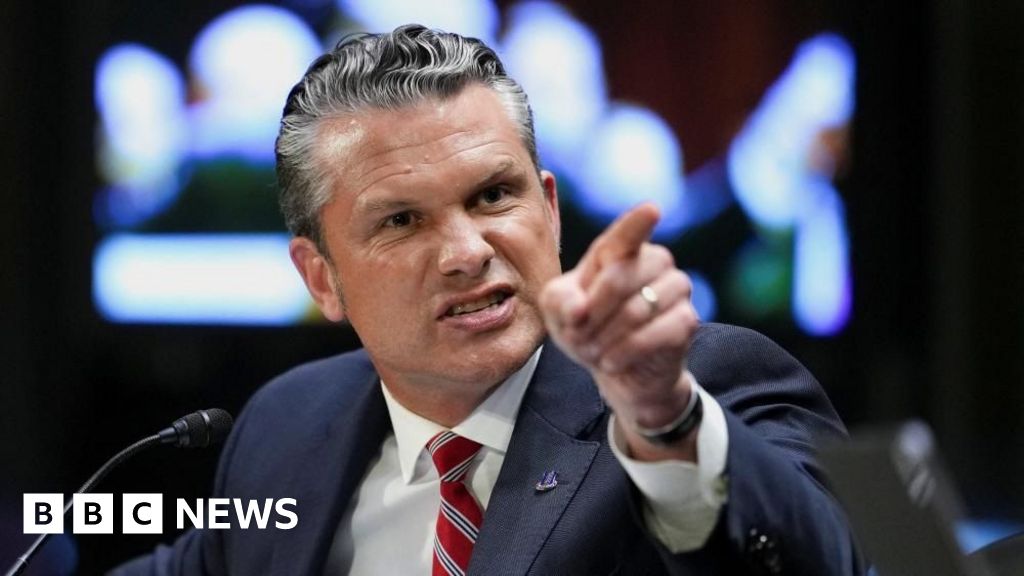
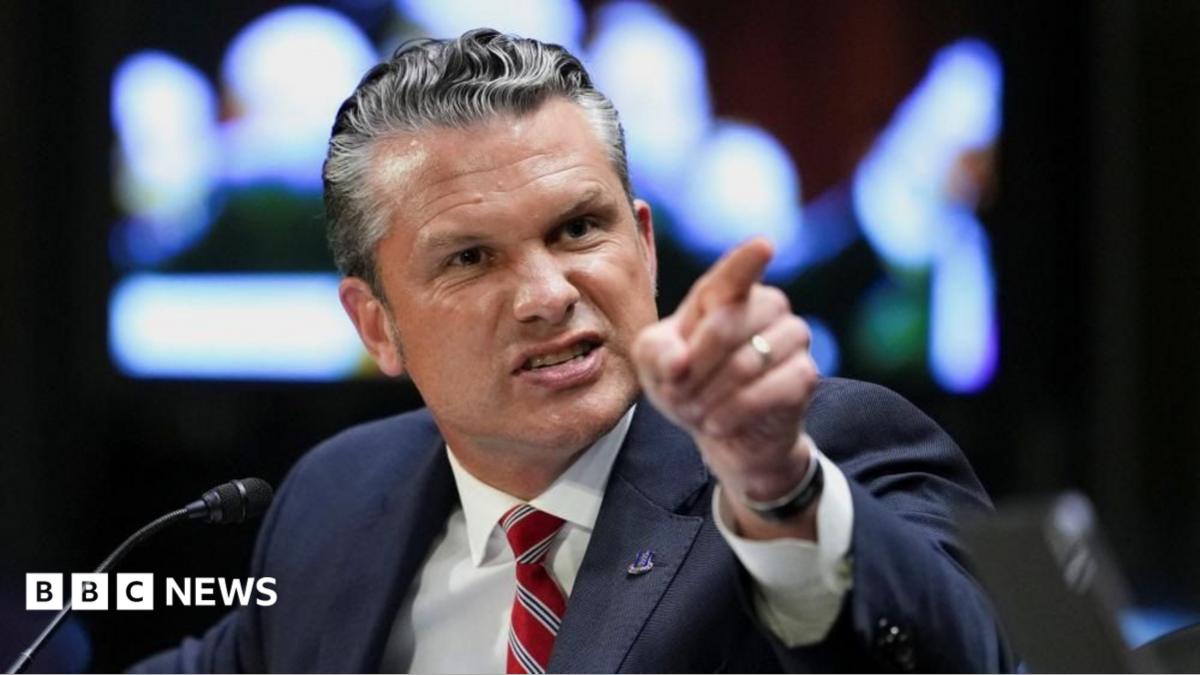
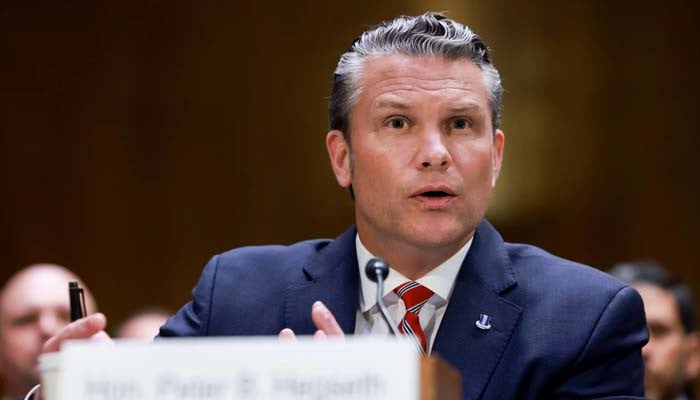
The financial toll of the ongoing conflict between the United States and Iran has reached $37.5 billion, according to Defence Secretary Pete Hegseth. This disclosure, made during a volatile appearance before the Senate Appropriations Committee, marks an increase of nearly $8 billion since the previous official estimate provided on 12 May. As the military conflict enters its 11th consecutive day of strikes, the Pentagon is pressing lawmakers to approve an additional $87 billion in supplemental funding, of which $67 billion is earmarked specifically for operations in the Middle East.
The request arrives during a period of intense legislative friction. While Hegseth argued that the funds are essential to maintain the lethality of American forces and avoid playing catch-up with foreign militaries, the proposal faces resistance from both sides of the aisle. Senate Democrats challenged the strategic premise of the conflict, questioning why the administration is seeking tens of billions of dollars for a war that President Donald Trump has previously claimed was won. Senate Appropriations Committee chairwoman Susan Collins, a Republican, questioned Hegseth on the consequences of a budget shortfall, to which he replied that
"current and future training for military members would need to be cut without the funds"
"Without these funds, we face critical shortfalls that threaten our ability to also simply pay our service members, rapidly replenish equipment and munitions, and sustain vital operations without disruption"
.
The hearing was punctuated by interruptions from anti-war protesters and deteriorated into a personal confrontation between Hegseth and Senator Gary Peters. After Peters characterized the administration’s handling of the conflict as a failure, Hegseth responded by accusing the Michigan senator of harboring Trump derangement syndrome. Beyond the political rhetoric, there is significant skepticism regarding the accuracy of the $37.5 billion figure. According to reporting from CBS, two Democratic sources and a third individual familiar with the matter indicated that the actual cost is likely higher, noting that the Pentagon's accounting excludes significant expenses such as the reconstruction of damaged American bases.
This debate over military spending occurs against a backdrop of mounting casualties. The Pentagon has confirmed the deaths of several service members, including Sgt Michael Emmanuel Swinton, who died in Iraq, and Pfc Isabella Gonzales and 1st Lt Tyler Feehan, who were killed in action in Jordan. Additionally, the military reported that Sgt Angel Rampersad is believed dead following incidents in the region. President Trump is scheduled to attend a ceremony at an air base in Delaware on Wednesday to receive the remains of the fallen. According to social media posts by the President, 18 personnel have died in the war, which he noted began on 28 February.
Congressional Funding Context
$37.5bn: Total estimated cost of the war to date.
$87bn: Supplemental funding requested by the Pentagon for immediate needs.
$67bn: Portion of the supplemental request dedicated specifically to Middle East operations.
$1.5tn: Total military spending requested by the White House for the next fiscal year.
The path forward for this funding remains uncertain. With the House of Representatives scheduled to leave for recess on Thursday, and both chambers not slated to return until September, the Pentagon faces a significant delay in securing resources. Even if the administration can secure necessary support, the legislative timeline ensures a multi-month wait for any potential disbursement. Meanwhile, the administration's broader push for a $1.5 trillion military budget continues to provoke debate regarding domestic versus foreign spending priorities. Democratic Senator Kirsten Gillibrand accused the administration of seeking unlimited money for bombs at a time when citizens cannot afford to feed their families.
READER INTELLIGENCE PULSE
How significant is this development?
Contribute your assessment to the aggregated reader sentiment ledger.
Click an option to register your anonymous assessment.
Frequently Asked Questions
Key questions answered in this report
What is the key development in: Iran war has cost US $37.5bn so far, Hegseth says, as Pentagon seeks billions more?
The Pentagon is facing legislative resistance after requesting $87 billion in supplemental funding for the conflict. Defence Secretary Pete Hegseth warned that failing to approve these funds could impact military readiness, training, and payroll.
Why is this World development significant for the UK?
This report covers critical events in our World beat. Independent reporting monitors related UK statements, regulatory shifts, and public responses as further verified details emerge.
How was this reporting corroborated and verified?
Newsarchy UK compiles and cross-references reporting from primary reporting from bbc.com and cross-checked wire reports. All coverage adheres to published editorial standards.
When was this report published?
This briefing was published on July 22, 2026 and is permanently cataloged in the Newsarchy UK World archives.