Iran allows Iraqi oil tankers to pass through Strait of Hormuz
Iran has authorized select Iraqi oil tankers to pass through the Strait of Hormuz following diplomatic requests, though the vital waterway remains largely restricted amid ongoing conflict.

- Core Development: Iran has authorized select Iraqi oil tankers to pass through the Strait of Hormuz following diplomatic requests, though the vital waterway remains largely restricted amid ongoing conflict.
- Beat Context: Categorized under World with independent corroboration.
- Reporting Depth: 3 minute analytical read synthesized from verified newsroom sources.
Iran has granted permission for several Iraqi oil tankers to pass through the Strait of Hormuz, according to reports from state media on Saturday. The authorization followed repeated requests from Iraqi officials.
Iraqi President Nizar Amedi confirmed that Iran had facilitated the passage of vessels carrying Iraqi oil through the strait in recent days. According to Iran's state news agency IRNA, securing special passage for Iraqi tankers was pursued through multiple channels. This included discussions during a visit to Iraq by Iranian Parliament Speaker Mohammad Bagher Ghalibaf, who insisted that the two countries needed to strengthen a “new regional order” and denounced “foreign interference,” while Tehran simultaneously sought to protect its allied militias.
Media additions
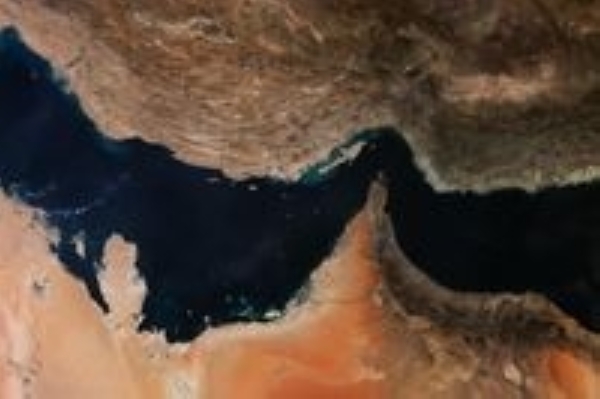
The limited authorization does not amount to a general reopening of the vital waterway. IRNA reported that the permission applied specifically to Iraqi tankers following diplomatic efforts, while overall traffic through the strait remains well below pre-conflict levels. Iran has asserted control over the passage since the outbreak of the war in the Middle East on February 28, requiring vessels to obtain permission and pay transit fees.
IRNA blamed hostile actions by the United States for creating insecurity in the strait, framing Tehran's selective permits as a measure taken despite severe military pressures. Conversely, US President Donald Trump told reporters that Washington has total control over the entire region relating to the strait. Trump declared that the waterway is open, asserting that a significant volume of boats and oil are moving through.
The stakes for the global energy market remain exceptionally high. According to the U.S. Energy Information Administration, the Strait of Hormuz handled an average of 20.9 million barrels per day of crude, condensate, and petroleum products in 2023, equivalent to roughly 27% of global maritime oil trade that year. Before the war, roughly one-fifth of the world's oil and LNG exports passed through the corridor.
Baghdad Diversifies Export Routes
Faced with ongoing maritime vulnerabilities and the reality that there is no alternative for Iraq other than the Strait of Hormuz to export the bulk of its crude oil, Iraqi officials are pursuing alternative export infrastructure. Pre-war oil production in the country sat at approximately 4 million barrels per day.
- Turkey: Expansion is underway via a one-year agreement providing for a minimum export flow of 750,000 barrels per day through the pipeline connecting northern Iraq to the Mediterranean port of Ceyhan, according to Iraq's oil minister as reported by the Associated Press.
- Syria: Baghdad is planning a potential crude pipeline toward Baniyas with a potential capacity of up to 2 million barrels per day, though reports note the project would require substantial investment, estimated at at least $15 billion, and about four years to construct, according to Reuters.
- Jordan: Officials are simultaneously pursuing export corridors through the port of Aqaba.
Meanwhile, parallel diplomatic efforts continue between Tehran and regional neighbors. Iran and Oman have been in talks to establish a new route through the strait, though negotiations have not yet been finalised. Tehran has maintained that any new route alone will not fully open the waterway unless broader demands involving the United States are met.
What to Watch Next
- Whether Iranian authorities will grant additional permits for further Iraqi tankers seeking transit through the Gulf, as Iraqi officials are constantly asking Iranian authorities to grant more permits of their tankers.
- Progress on the Ceyhan pipeline capacity expansion and formal agreements regarding alternative overland export corridors through Jordan and Syria.
- Further developments in high-level talks between Tehran, Baghdad, and Washington concerning transit fees, security protocols, and broader demands involving the United States in the Persian Gulf.
How significant is this development?
Contribute your assessment to the aggregated reader sentiment ledger.
Frequently Asked Questions
Key questions answered in this reportWhat is the key development in: Iran allows Iraqi oil tankers to pass through Strait of Hormuz?
Iran has authorized select Iraqi oil tankers to pass through the Strait of Hormuz following diplomatic requests, though the vital waterway remains largely restricted amid ongoing conflict.
Why is this World development significant for the UK?
This report covers critical events in our World beat. Independent reporting monitors related UK statements, regulatory shifts, and public responses as further verified details emerge.
How was this reporting corroborated and verified?
Newsarchy UK compiles and cross-references reporting from primary reporting from ibtimes.sg and cross-checked wire reports. All coverage adheres to published editorial standards.
When was this report published?
This briefing was published on August 22, 2026 and is permanently cataloged in the Newsarchy UK World archives.


