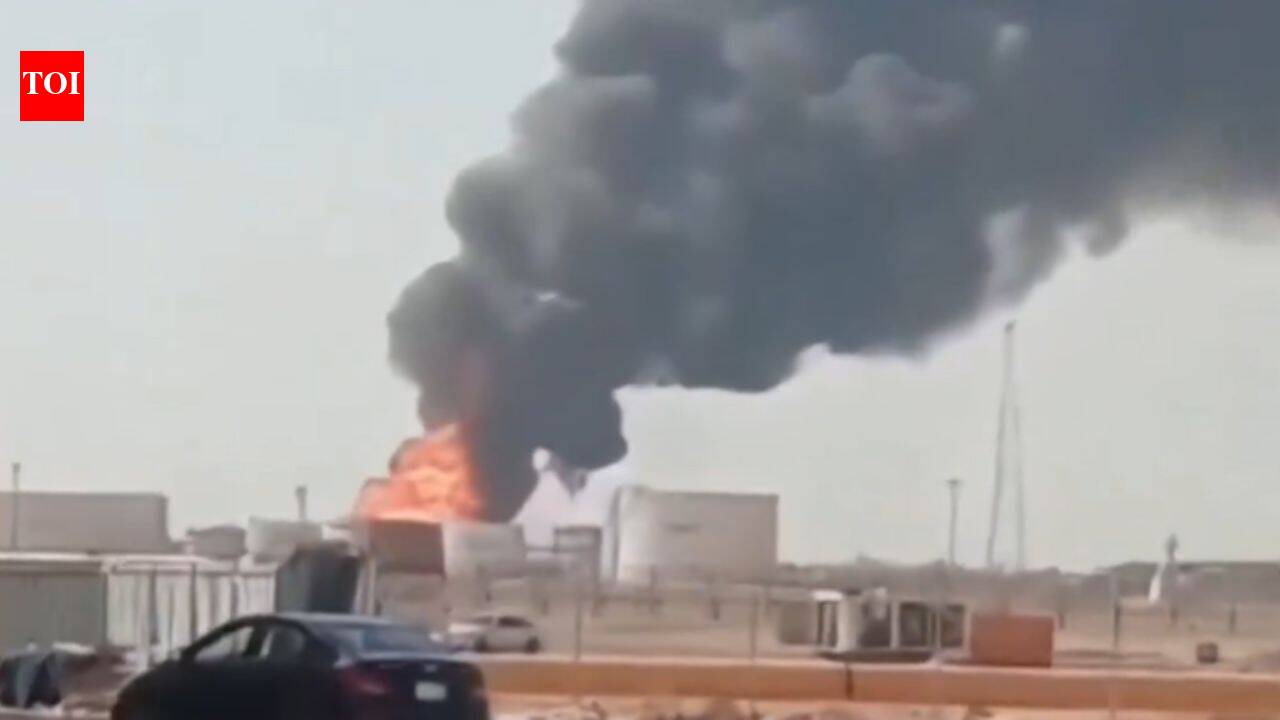
Trump says U.S. will not resume military strikes on Iran before Nov. 3 midterm elections
President Donald Trump stated on Truth Social that the U.S. will hold off on military strikes against Iran until after the November 3 midterm elections, amid ongoing regional tensions.

- Core Development: President Donald Trump stated on Truth Social that the U.S. will hold off on military strikes against Iran until after the November 3 midterm elections, amid ongoing regional tensions.
- Beat Context: Categorized under World with independent corroboration.
- Reporting Depth: 3 minute analytical read synthesized from verified newsroom sources.
President Donald Trump announced on Thursday, 8 October 2026, that the United States will not launch new military strikes against Iran prior to the November 3 midterm elections.
Writing on Truth Social, the president stated that the United States would refrain from attacks during the lead-up to the nationwide congressional vote. According to Donald Trump, his administration has been engaged in productive discussions with Iranian officials. The announcement follows weeks of shifting rhetoric regarding the seven-month-old conflict, during which the president repeatedly warned that a post-election military escalation remained a viable option despite his initial promises of a brief campaign.
Media additions

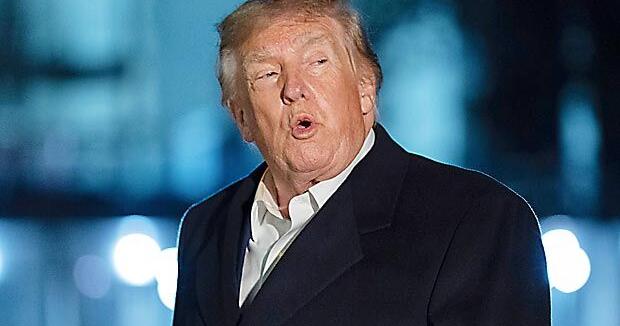

While campaigning for Republican candidates in San Antonio, Texas, on Wednesday, 7 October 2026, Donald Trump noted that special envoy Steve Witkoff has continued indirect negotiations with Tehran. However, the president expressed ambivalence about finalising an agreement immediately, stating that the deal was not necessarily something he wanted to do yet, though Iranian representatives were willing to offer various terms to halt hostilities.
Diplomatic efforts have faced repeated obstacles since a short-lived interim agreement collapsed within weeks of its June 2026 signing. That initial accord had sought to establish a 60-day ceasefire and a framework for permanent peace. Negotiations stalled further after Donald Trump publicly rejected a proposal from Iran to reopen the strategic Strait of Hormuz within seven days if Washington met specific conditions. Iranian authorities subsequently confirmed receiving a U.S. Counterproposal, and Foreign Minister Abbas Araghchi stated on Thursday, 8 October 2026, that Tehran anticipated issuing a formal reply within days.
Control of the Strait of Hormuz remains a central point of contention. U.S. Central Command vessels have been escorting oil tankers through the waterway at night with location systems deactivated, a measure designed to help maintain Gulf oil exports near pre-war levels alongside operational pipelines that bypass the strait. Despite these security efforts, shipping traffic, liquefied natural gas shipments, and refined fuel movements remain significantly below pre-war levels following a recent escalation of Iranian attacks on passing vessels. Shipping analysts report that tanker operators willing to brave the waterway under U.S. Military protection are demanding rates of $1 million or more per day.
Broader regional instability has further complicated maritime commerce. Saudi Arabia and the Yemeni government launched a military campaign to dislodge Iran-backed Houthi rebels from the Bab el-Mandeb Strait. In response, the Houthis have executed drone and missile strikes targeting Saudi infrastructure and airports.
Military positioning in the region is also shifting. U.S. Officials disclosed that a third aircraft carrier group, anchored by the USS Theodore Roosevelt alongside thousands of troops, is expected to arrive in the region by the end of October 2026. Simultaneously, the USS Abraham Lincoln returned to its home port in San Diego on Thursday, 8 October 2026, following a record-long deployment supporting the conflict. That deployment drew intense public scrutiny following reports of supply shortages—including food and hygiene items—alongside crew stress and mental-health challenges. The USS George Washington relieved the Lincoln in August, while another carrier in the region, the USS George H.W. Bush, recently pulled into Phuket, Thailand, for a port visit after a six-month deployment.
The unfolding diplomatic and military developments carry immediate implications for the upcoming November 3 midterm elections, where control of Congress hangs in the balance and voters weigh economic pressures such as fuel and consumer prices. As the electoral countdown continues, U.S. Diplomatic teams are awaiting Tehran's formal response while military commanders maintain readiness across the region.
How significant is this development?
Contribute your assessment to the aggregated reader sentiment ledger.
Frequently Asked Questions
Key questions answered in this reportWhat is the key development in: Trump says U.S. will not resume military strikes on Iran before Nov. 3 midterm elections?
President Donald Trump stated on Truth Social that the U.S. will hold off on military strikes against Iran until after the November 3 midterm elections, amid ongoing regional tensions.
Why is this World development significant for the UK?
This report covers critical events in our World beat. Independent reporting monitors related UK statements, regulatory shifts, and public responses as further verified details emerge.
How was this reporting corroborated and verified?
Newsarchy UK compiles and cross-references reporting from primary reporting from thehindu.com and cross-checked wire reports. All coverage adheres to published editorial standards.
When was this report published?
This briefing was published on October 9, 2026 and is permanently cataloged in the Newsarchy UK World archives.