US Homeland Security defends livestreaming Nidal Hasan execution
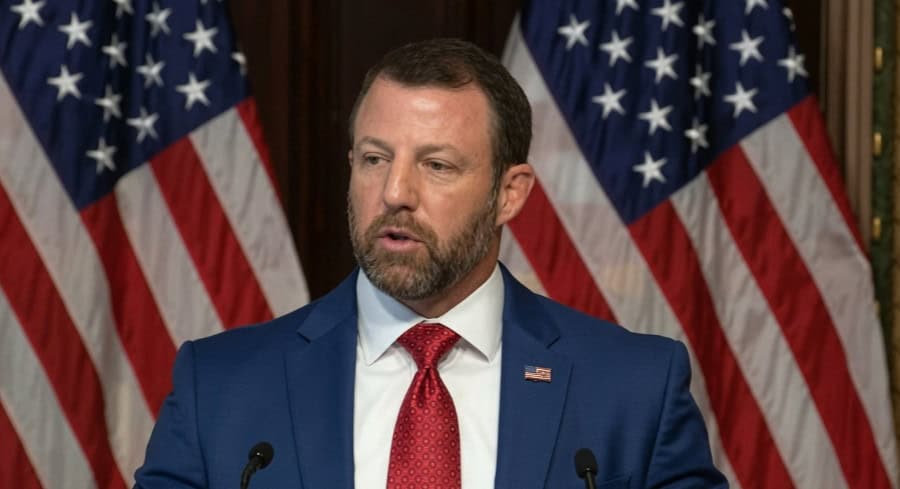
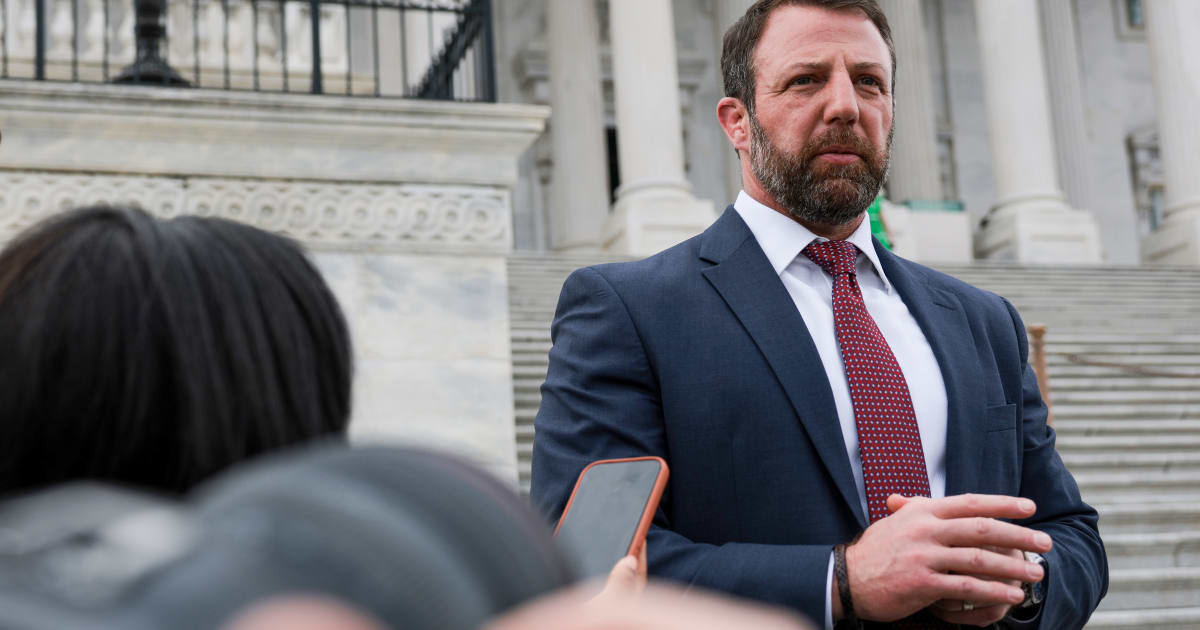
US Homeland Security Secretary Markwayne Mullin has defended the administration's plan to publicly broadcast the execution of Nidal Malik Hasan, despite bipartisan warnings that a livestreamed firing squad could aid extremist recruitment.

- Core Development: US Homeland Security Secretary Markwayne Mullin has defended the administration's plan to publicly broadcast the execution of Nidal Malik Hasan, despite bipartisan warnings that a livestreamed firing squad could aid extremist recruitment.
- Beat Context: Categorized under World with independent corroboration.
- Reporting Depth: 3 minute analytical read synthesized from verified newsroom sources.
Unitedates Homeland Security Secretary Markwayne Mullin has defended the administration's intention to publicly broadcast the execution of convicted mass murderer Nidal Malik Hasan, dismissing warnings from lawmakers and human rights organizations that a livestreamed firing squad could serve as a powerful recruitment tool for extremist groups. The clash over transparency, national security, and the boundaries of state-sponsored punishment highlights growing tensions within Washington as the White House weighs whether to proceed with the first U.S. Military execution in decades.
The controversy ignited after Defense Secretary Pete Hegseth announced plans to make the execution public via a digital broadcast, invoking tactics he compared to the U.S. Army's approach during World War II. Speaking on CBS News, Mullin pushed back against mounting bipartisan criticism by framing the administration's stance around accountability and the direct enforcement of presidential policy. When pressed by anchor Margaret Brennan on whether broadcasting the death of a wheelchair-bound inmate could backfire and generate sympathy or radicalization, Mullin maintained that viewership remains a choice for the public.
Media additions

| Official / Lawmaker | Position on Livestream | Key Argument or Statement |
|---|---|---|
| Markwayne Mullin (DHS Secretary) | Defends the plan | Sees no elevated risk to the homeland; argues nobody is forced to watch. |
| Pete Hegseth (Defense Secretary) | Initiated the plan | Argues the public needs to understand serious consequences; invokes World War II tactics. |
| Donald Trump (President) | Undecided / Reviewing | Weighing whether showing it will deter future crimes versus the risk of platforming the killer. |
| Lisa Murkowski (Republican Senator) | Strongly opposed | Compared the idea to tactics used by terrorists and dictators seeking martyrdom. |
| Thom Tillis (Republican Senator) | Strongly opposed | Warned it puts U.S. Lives at risk and criticized Pentagon leadership. |
According to Al Jazeera, the legal basis for the execution stems from Hasan's military death sentence. The former Army major was convicted of premeditated murder and attempted murder following the mass shooting at the Fort Hood military base in Texas. Responding officers shot Hasan during the rampage, leaving him paralysed from the waist down.
Opposition to the public broadcast has fractured the ruling party. As reported by the Daily Mail, Republican Senator Lisa Murkowski of Alaska sharply rebuked the Pentagon's proposal on social media, asserting that streaming the event would grant the perpetrator the notoriety and martyrdom he desires. Senator Thom Tillis of North Carolina joined the chorus of disapproval, telling NBC News that broadcasting the death would endanger American lives and serve as a terrorist recruitment tool.
Meanwhile, the executive branch's final position remains fluid. President Trump told reporters outside the White House that two competing philosophies are under review: withholding the footage to deny the killer an audience, or broadcasting it to serve as an explicit deterrent against future acts of violence. Vice President JD Vance expressed personal reluctance to watch the stream should it occur, emphasizing that public focus should remain fixed on the gravity of the original crimes.
Legal experts note that military executions are extraordinarily rare, requiring direct presidential authorization under the Uniform Code of Military Justice. If the order against Hasan is carried out, he will be the first member of the US military to be executed since 1961.
As the scheduled date approaches, the administration faces intense scrutiny from multiple fronts. International bodies and domestic critics continue to sound the alarm over the unprecedented nature of a public execution broadcast.
How significant is this development?
Contribute your assessment to the aggregated reader sentiment ledger.
Frequently Asked Questions
Key questions answered in this reportWhat is the key development in: US Homeland Security defends livestreaming Nidal Hasan execution?
US Homeland Security Secretary Markwayne Mullin has defended the administration's plan to publicly broadcast the execution of Nidal Malik Hasan, despite bipartisan warnings that a livestreamed firing squad could aid extremist recruitment.
Why is this World development significant for the UK?
This report covers critical events in our World beat. Independent reporting monitors related UK statements, regulatory shifts, and public responses as further verified details emerge.
How was this reporting corroborated and verified?
Newsarchy UK compiles and cross-references reporting from primary reporting from WHEC.com and cross-checked wire reports. All coverage adheres to published editorial standards.
When was this report published?
This briefing was published on October 12, 2026 and is permanently cataloged in the Newsarchy UK World archives.