US-Iran War Live Updates: Iran backs Palestinian decisions in Gaza talks
US-Iran hostilities have disrupted global shipping in the Strait of Hormuz, while international condemnation grows over a surge in executions inside Iran.
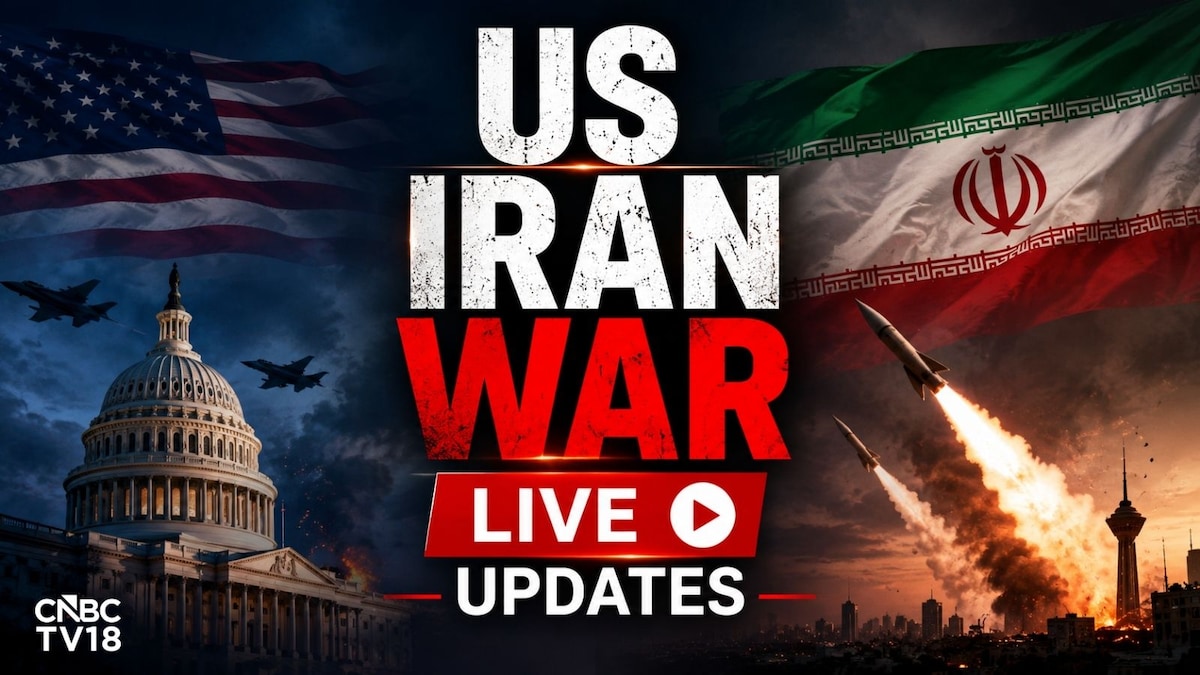
- Core Development: US-Iran hostilities have disrupted global shipping in the Strait of Hormuz, while international condemnation grows over a surge in executions inside Iran.
- Beat Context: Categorized under World with independent corroboration.
- Reporting Depth: 3 minute analytical read synthesized from verified newsroom sources.
Uncertainty hangs over the Strait of Hormuz as indirect mediation intersects with mounting domestic suppression, shifting market pressures, and deepening regional realignments.
The conflict between Washington and Tehran, which erupted into open warfare on February 28, has increasingly concentrated on the critical waterway. The hostilities began with joint strikes by the US and Israel aimed at halting Iran's nuclear programme and weakening its government. The resulting maritime confrontation has choked global shipping lanes, leaving the Strait largely closed and driving energy volatility.
Media additions
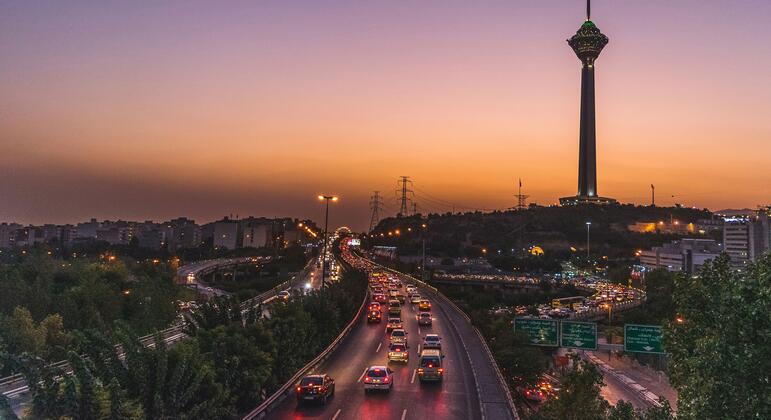

Diplomatic efforts have intensified around Oman, where Iranian and Omani officials have pursued an interim understanding regarding shipping corridors. Iranian Foreign Ministry spokesperson Esmaeil Baghaei described discussions between Tehran and Muscat as professional and moving forward, noting a mutual understanding on geographic parameters. Yet Iranian state media reported that any potential accord between Iran and Oman would exclude the United States and would not immediately result in the reopening of the strategic passage. Tehran maintains that the Strait will remain shut while US actions it terms violations persist. Iranian officials also blamed US interference and threats from President Donald Trump for delaying a formal joint announcement.
Contrasting sharply with Tehran's cautious stance, Trump claimed that negotiations were advancing rapidly and suggested the waterway could open very soon, warning of severe military consequences should talks collapse. Trump stated that Washington had paused a major planned offensive following a request for dialogue from Iranian officials.
Simultaneously, the diplomatic and security architecture across the region is shifting. Iranian President Masoud Pezeshkian reaffirmed Tehran's backing for decisions taken by Palestinian leadership during ongoing negotiations in a call with Hamas leader Khalil al-Hayya. Meanwhile, bilateral economic ties are expanding elsewhere; Iran and Pakistan finalized a memorandum of understanding in Islamabad to boost annual trade and advance free-trade negotiations, attended by Iranian Minister of Industry, Mine and Trade Mohammad Atabak and Pakistani Commerce Minister Jam Kamal Khan.
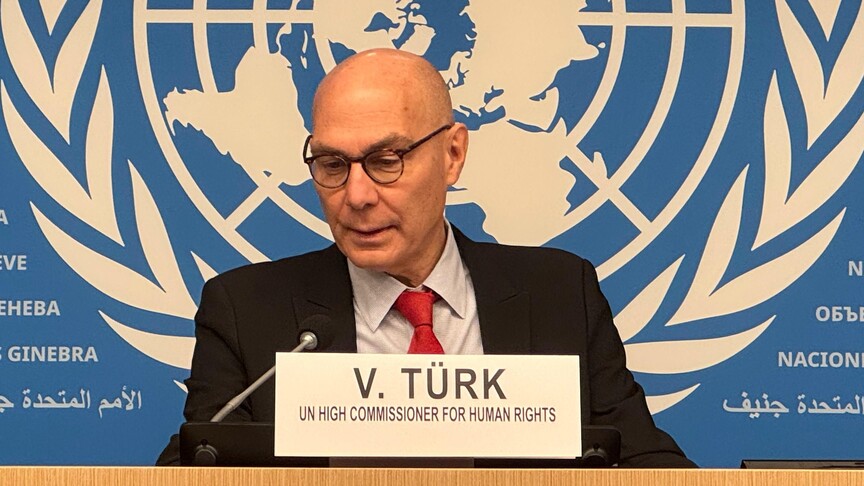
In parallel, the domestic situation inside Iran has drawn severe international condemnation. United Nations High Commissioner for Human Rights Volker Türk expressed grave concern over a surge in executions and death sentences. According to UN human rights reports, at least 56 individuals have been executed on national security-related charges since March 19, including 27 linked to anti-government protests earlier in the year. Türk noted that over 100 additional people face imminent execution under similar charges, while capital punishment for drug offences continues at an alarming pace. United Nations human rights monitors highlighted persistent due process violations, including brief closed-door hearings and confessions allegedly extracted through torture.
The human toll of the wider conflict extends across multiple fronts. Maritime security incidents have multiplied, with Yemen’s Iran-aligned Houthi movement claiming a ballistic missile strike against a Saudi Arabian tanker in the northern Red Sea near Yanbu. The attack marked the eighth targeting of a Saudi vessel since the Houthi maritime blockade began. Economic ripple effects are also spreading globally; payment technology provider Global Payments lowered its full-year forecasts amid travel disruptions, while New Zealand Foreign Minister Winston Peters attributed domestic unemployment spikes directly to soaring fuel expenses caused by the Hormuz closure.
What to Watch Next
- Developments regarding the finalisation of the navigation agreement between Iran and Oman.
- Statements from Washington on the 48-hour timeline outlined for diplomatic breakthroughs.
- International response to the rising figures of national security executions reported by the UN human rights office.
- Further security incidents in the Red Sea following Houthi vows to intensify strikes on commercial shipping.
How significant is this development?
Contribute your assessment to the aggregated reader sentiment ledger.
Frequently Asked Questions
Key questions answered in this reportWhat is the key development in: US-Iran War Live Updates: Iran backs Palestinian decisions in Gaza talks?
US-Iran hostilities have disrupted global shipping in the Strait of Hormuz, while international condemnation grows over a surge in executions inside Iran.
Why is this World development significant for the UK?
This report covers critical events in our World beat. Independent reporting monitors related UK statements, regulatory shifts, and public responses as further verified details emerge.
How was this reporting corroborated and verified?
Newsarchy UK compiles and cross-references reporting from primary reporting from cnbctv18.com and cross-checked wire reports. All coverage adheres to published editorial standards.
When was this report published?
This briefing was published on August 5, 2026 and is permanently cataloged in the Newsarchy UK World archives.