Iran expands regional pressure campaign to force US concessions on Hormuz
Iran is widening its regional pressure campaign across energy infrastructure and shipping lanes to compel Washington into major concessions over the Strait of Hormuz.
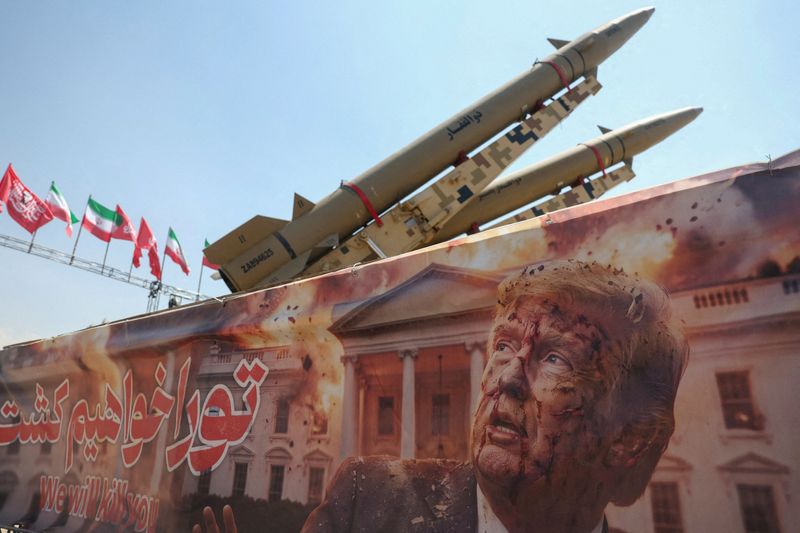
- Core Development: Iran is widening its regional pressure campaign across energy infrastructure and shipping lanes to compel Washington into major concessions over the Strait of Hormuz.
- Beat Context: Categorized under World with independent corroboration.
- Reporting Depth: 3 minute analytical read synthesized from verified newsroom sources.
Iran is executing a strategy of calibrated escalation across Middle Eastern trade routes, shipping lanes, and energy infrastructure in an effort to compel Washington into major concessions regarding the governance of the Strait of Hormuz, according to reports published on Monday, 3 August 2026. Rather than seeking a swift military victory, Tehran's leadership aims to raise the economic and strategic cost of confrontation, betting that the United States and its regional allies will eventually conclude that containing the expanding crisis is more burdensome than accommodating Iranian demands.
The core dispute centers on the future administrative control of the crucial waterway. Before the outbreak of hostilities, approximately a fifth of global oil consumption flowed through the Strait of Hormuz. Oman has previously put forward a Gulf-backed proposal that includes voluntary user fees for managing the passage. In contrast, Tehran demands full administrative authority over the strait alongside the power to levy mandatory service charges on vessels. Washington has firmly rejected any such fees, insisting that the transit route remain an international waterway free from direct Iranian oversight.
According to regional sources cited in the reporting, Revolutionary Guards commanders believe they can extract significant concessions by widening the conflict. They calculate that President Donald Trump remains reluctant to become heavily entangled in a protracted Middle Eastern war ahead of upcoming midterm elections. A senior Iranian source noted that leadership in Tehran concluded prior attempts at flexibility only provoked greater pressure from Washington, reinforcing the belief that leverage must be established before entering any formal diplomatic negotiations.
The campaign relies on stretching out escalation options across multiple new fronts to keep opponents off balance. Michael Knights of the Washington Institute observed:
"Iran, from the beginning, has tried to out-escalate the United States by stretching out its escalation options so that it always has something new to bring every week -- a new geography, a new type of weapon, a new type of target."
Michael Knights, Washington Institute, via Aol and Al Monitor
Knights further noted that Tehran's primary advantage lies not in direct military superiority against the United States or world powers, but in its capacity to inflict economic pain on neighboring regional states and the broader global economy.
By extending threats toward the Red Sea and Saudi energy infrastructure, Iran aims to test Washington's threshold for ongoing trade disruption. This tactical expansion has forced regional and Western governments to divert considerable resources toward defensive postures. A newly emerging Saudi-led maritime coalition exemplifies this defensive pivot, focusing primarily on escorting commercial shipping, sharing intelligence, and safeguarding sea lanes rather than initiating direct military action against Iran. Knights compared this arrangement to Europe's Aspides mission in the Red Sea, which was similarly formed to protect merchant vessels rather than shift the underlying military balance.
Diplomatic signals remain deeply contradictory amid the escalating standoff. President Trump stated that bilateral talks with Iran would take place on Monday, having earlier mentioned that he had called off an imminent military strike in hopes of securing an agreement to reopen the waterway. Tehran countered this assertion by flatly stating that no talks were currently taking place with the United States.
Additional expert analysis underscores the widening gulf between the two adversaries. Michael Singh, a senior fellow at the Washington Institute, stated that Tehran continues to press its advantage due to perceived uncertainty within the U.S. Administration regarding how far it is prepared to go militarily. Meanwhile, Alan Eyre, a former U.S. Diplomat and Iran expert, explained that Tehran's strategy aims to force Washington to lift its blockade and halt military strikes entirely, preventing the U.S. From dictating the timeline of events.
Ray Takeyh of the Council on Foreign Relations, a former advisor on Iran at the U.S. State Department, emphasized the diplomatic objectives behind the strategy, noting that if negotiations eventually materialize, Tehran intends to define the terms entirely on its own accord. As both Washington and Tehran continue testing each other's resolve, analysts warn of the persistent danger that a strategy engineered strictly for maximum leverage could spiral past the control of either government.
How significant is this development?
Contribute your assessment to the aggregated reader sentiment ledger.
Frequently Asked Questions
Key questions answered in this reportWhat is the key development in: Iran expands regional pressure campaign to force US concessions on Hormuz?
Iran is widening its regional pressure campaign across energy infrastructure and shipping lanes to compel Washington into major concessions over the Strait of Hormuz.
Why is this World development significant for the UK?
This report covers critical events in our World beat. Independent reporting monitors related UK statements, regulatory shifts, and public responses as further verified details emerge.
How was this reporting corroborated and verified?
Newsarchy UK compiles and cross-references reporting from primary reporting from al-monitor.com and cross-checked wire reports. All coverage adheres to published editorial standards.
When was this report published?
This briefing was published on August 3, 2026 and is permanently cataloged in the Newsarchy UK World archives.