Iran launches drone strikes on US military assets across Gulf states
Tehran's drone and missile campaign targeted multiple military assets across the Gulf in retaliation for recent US strikes on Iranian territory. The conflict has triggered regional security alerts and raised concerns regarding potential further military expansion.
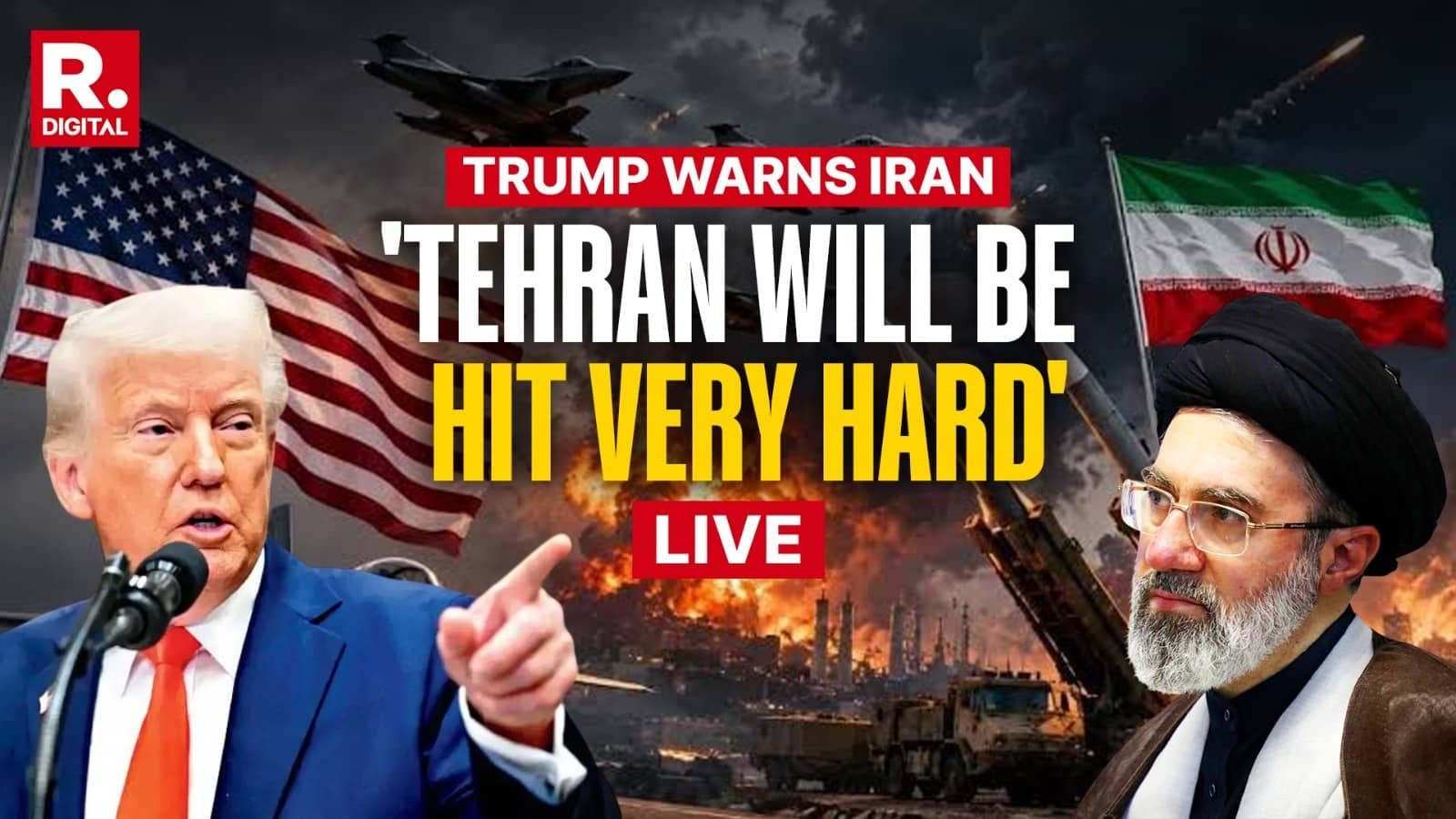
- Core Development: Tehran's drone and missile campaign targeted multiple military assets across the Gulf in retaliation for recent US strikes on Iranian territory. The conflict has triggered regional security alerts and raised concerns regarding potential further military expansion.
- Beat Context: Categorized under World with independent corroboration.
- Reporting Depth: 3 minute analytical read synthesized from verified newsroom sources.
The conflict between the United States and Iran escalated on Saturday, 18 July 2026, as Tehran launched a series of drone and missile strikes targeting military assets across several Gulf nations. The operations, which the Iranian Army and the Islamic Revolutionary Guard Corps (IRGC) designated as part of "Operation Lightning" and "Operation Nasr 2," targeted facilities in Kuwait, Bahrain, Jordan, Qatar, and Syria.
This development follows seven consecutive nights of US military operations within Iranian territory. US Central Command reported that its recent strikes were directed at Iranian military logistics, coastal surveillance infrastructure, air defense systems, and maritime capabilities. US President Donald Trump stated that America is "winning big" in the region, asserting that the outcomes of these military efforts will be evident soon.
Media additions
Regional Impacts and Interceptions
The Iranian strikes triggered widespread security alerts across the Gulf:
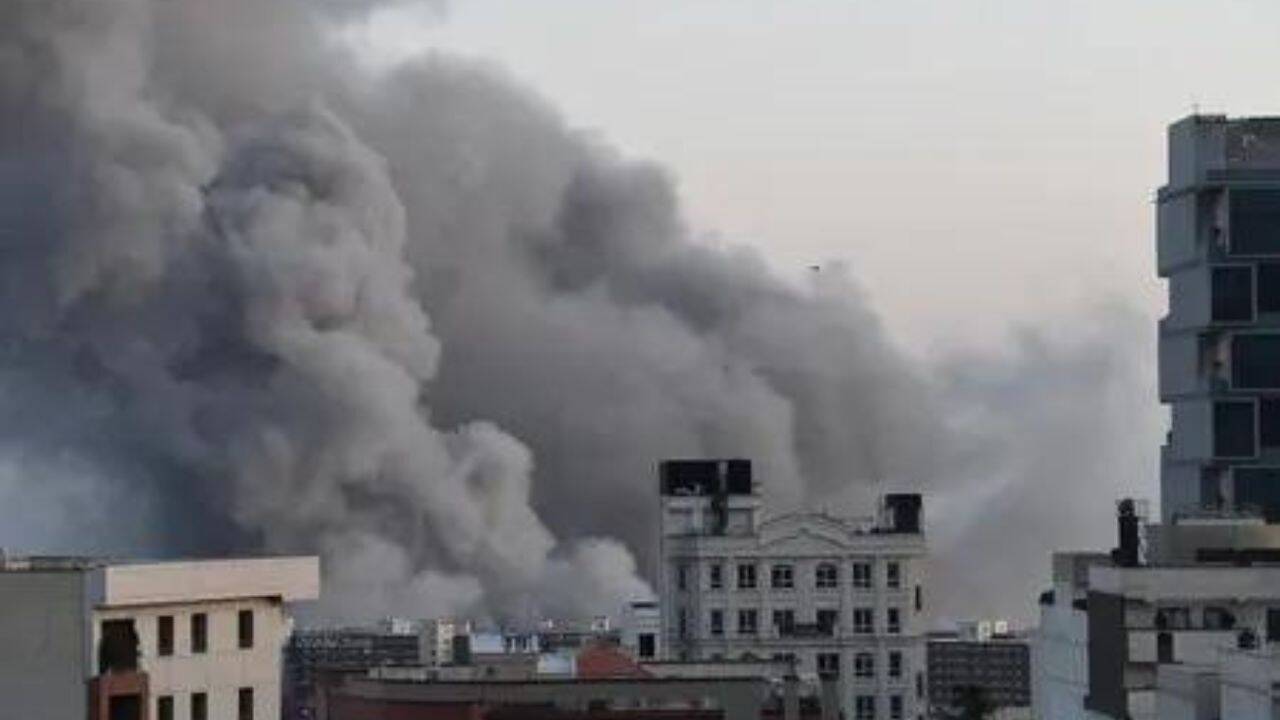
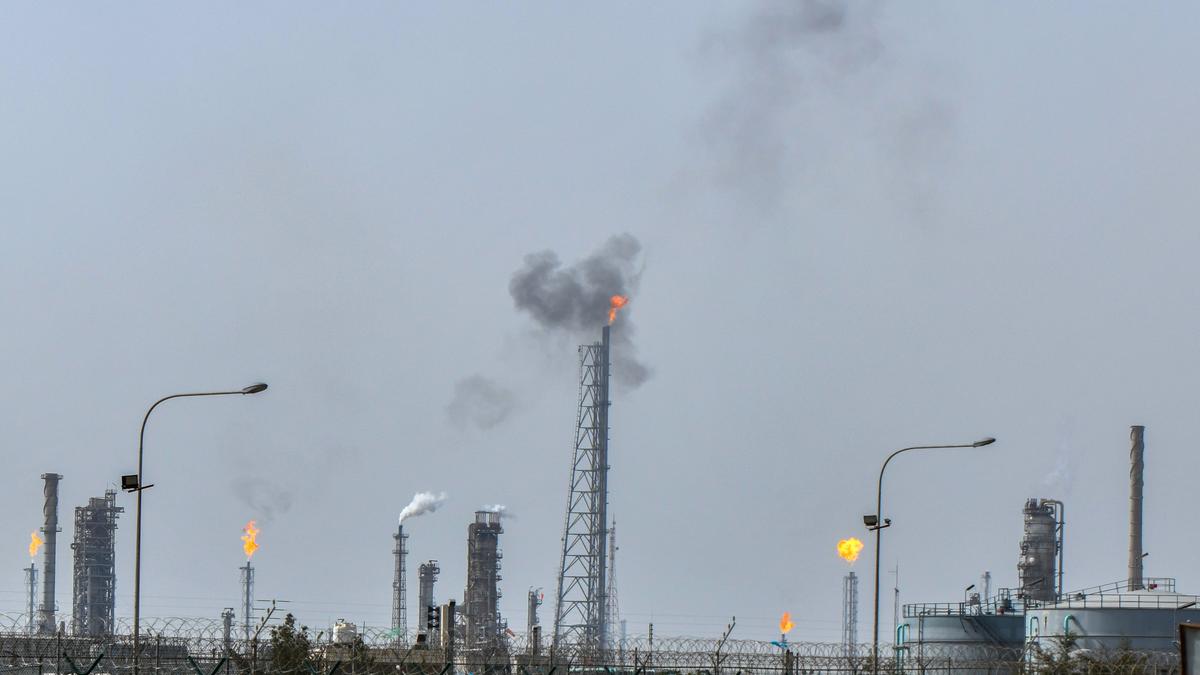
- Kuwait: The country's air defense systems intercepted multiple incoming drones and missiles. The Ministry of Electricity and Water reported damage to a power generation and desalination plant, which caused a fire. The Kuwaiti military stated that several personnel were injured during the drone strikes.
- Jordan: The military confirmed its air defenses intercepted and destroyed 10 Iranian missiles that entered its airspace to protect national sovereignty. Iranian sources claimed the strikes targeted fuel tanks at the Al-Azraq base.
- Qatar: Authorities reported thwarting a missile attack; falling debris injured one child.
- Bahrain: The armed forces stated they intercepted several aerial attacks. Iran specifically claimed its operations struck the Sheikh Isa Air Base, alleging it served as a US command center and targeting aircraft hangars and communication infrastructure.
Tehran’s leadership has adopted an increasingly aggressive posture. Mohsen Rezaei, an advisor to Supreme Leader Mojtaba Khamenei, warned that if US strikes persist, Iran would shift from a strategy of deterrence to "full-scale offensive operations" and claimed that "no political border will be safe." Iranian state media reported that the latest US strikes on Iranian provinces—including Hormozgan, Bushehr, Sistan and Baluchestan, Khuzestan, and Lorestan—resulted in 38 fatalities and over 400 injuries.
Maritime and Energy Tensions
The Strait of Hormuz remains a central point of the conflict. The US has maintained a naval blockade, recently destroying a maritime surveillance tower at the Shahid Kalantari Port in Chabahar on 16 July 2026, which Washington identified as a key IRGC asset for tracking commercial vessels. Meanwhile, shipping traffic through the strait has experienced significant declines.
Disagreements over the situation on the ground persist. The IRGC claimed that two oil tankers caught fire after entering a minefield near the Strait of Hormuz on Saturday, a claim CENTCOM explicitly rejected as false, stating: "Like most IRGC claims, this is false." Additionally, Iran accused the US of targeting civilian infrastructure, while the US military maintained that its strikes were necessary to degrade Iranian capabilities following the collapse of a 14-point memorandum of understanding.
Diplomatic Stagnation
The diplomatic path forward remains unclear. President Trump has signaled that the military campaign may expand if necessary. European leaders, including those from Germany and France, have urged both sides to de-escalate and return to talks. As of 18 July 2026, the potential for a "crushing response" from Tehran or further US infrastructure targeting remains a primary concern for regional stability.
How significant is this development?
Contribute your assessment to the aggregated reader sentiment ledger.
Frequently Asked Questions
Key questions answered in this reportWhat is the key development in: Iran launches drone strikes on US military assets across Gulf states?
Tehran's drone and missile campaign targeted multiple military assets across the Gulf in retaliation for recent US strikes on Iranian territory. The conflict has triggered regional security alerts and raised concerns regarding potential further military expansion.
Why is this World development significant for the UK?
This report covers critical events in our World beat. Independent reporting monitors related UK statements, regulatory shifts, and public responses as further verified details emerge.
How was this reporting corroborated and verified?
Newsarchy UK compiles and cross-references reporting from primary reporting from republicworld.com and cross-checked wire reports. All coverage adheres to published editorial standards.
When was this report published?
This briefing was published on July 18, 2026 and is permanently cataloged in the Newsarchy UK World archives.


