Iran appoints Mohsen Rezaee to lead security council as Oman deal nears
Iran has appointed veteran commander Mohsen Rezaee to head its Supreme National Security Council as maritime negotiations with Oman approach a final agreement.
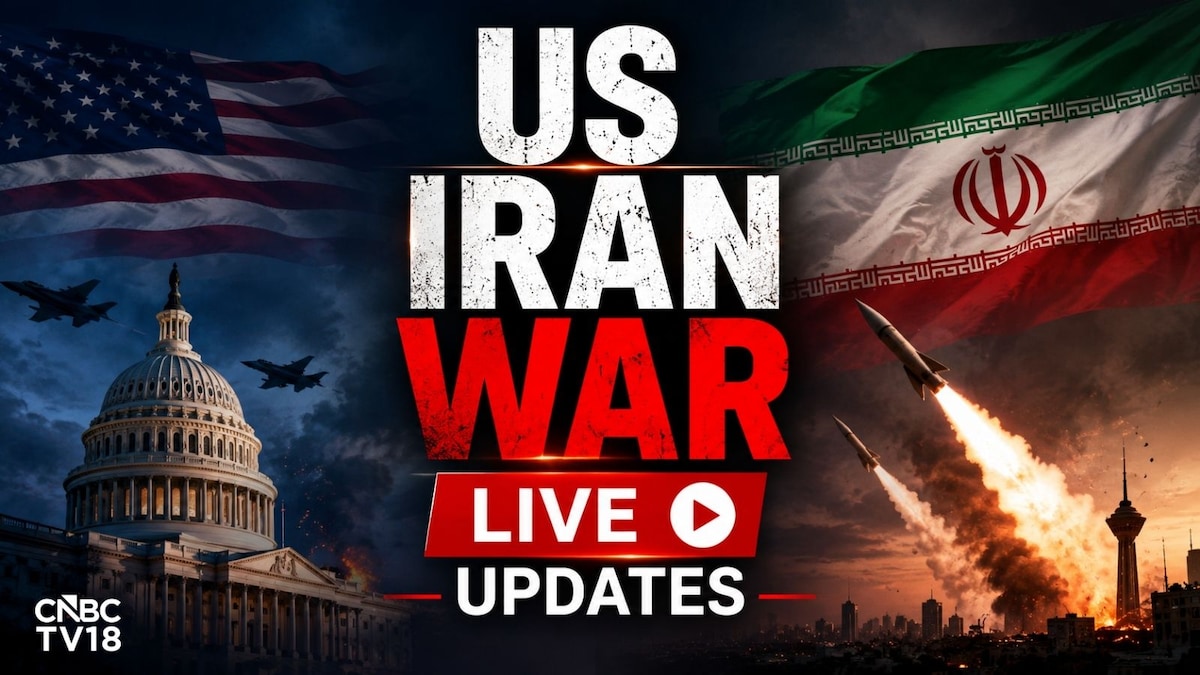
- Core Development: Iran has appointed veteran commander Mohsen Rezaee to head its Supreme National Security Council as maritime negotiations with Oman approach a final agreement.
- Beat Context: Categorized under World with independent corroboration.
- Reporting Depth: 3 minute analytical read synthesized from verified newsroom sources.
Iran’s security establishment underwent a major reshuffle on Sunday, 9 August 2026, with the appointment of veteran commander Mohsen Rezaee as head of the Supreme National Security Council, according to state media reports. Rezaee's appointment coincided with a fresh diplomatic push involving Oman over new shipping lanes in the Strait of Hormuz, even as the broader regional standoff remained deadlocked.
Strait of Hormuz and Omani Mediation
Iranian Foreign Minister Abbas Araghchi stated on X that negotiations with Muscat regarding a new maritime route through the Strait of Hormuz were in their final stages. Araghchi ruled out direct talks with Washington for the time being, emphasizing that communication was occurring through intermediaries and noting that an agreement with Oman would not automatically lift the wider naval blockade. Reuters reported that Tehran is nearing a final pact with Oman defining new shipping lanes, though Iranian officials reiterated that Washington must meet a series of conditions before the strategic waterway is fully reopened.
Media additions

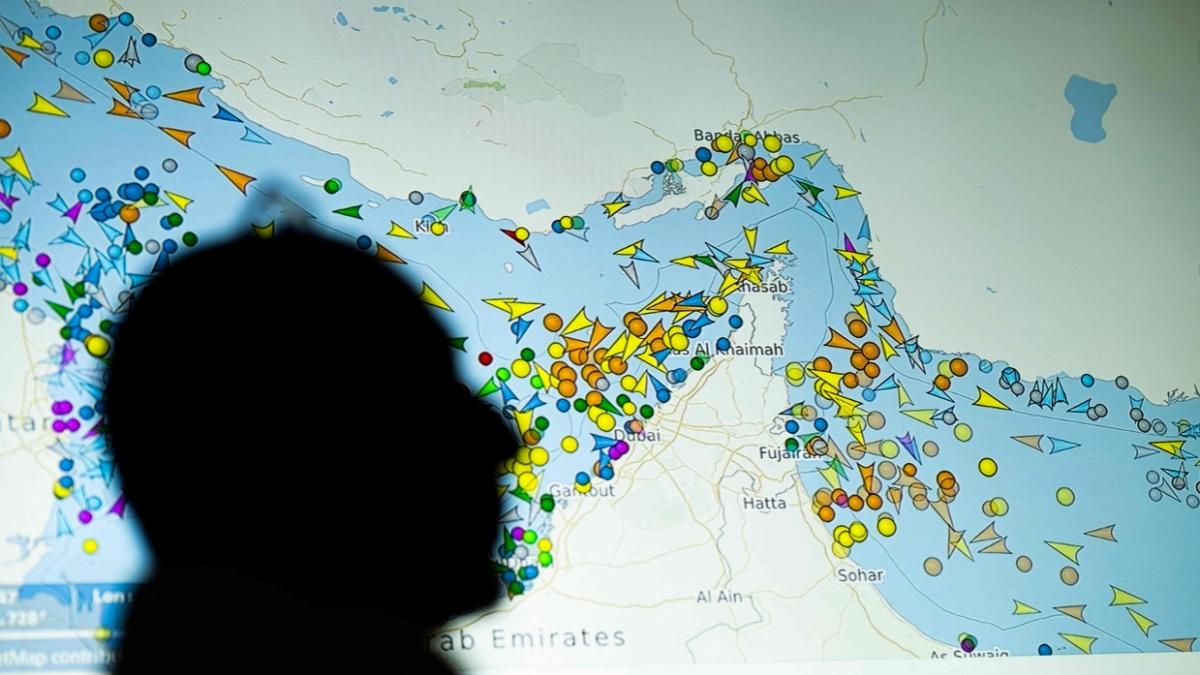
The Supreme National Security Council, citing the Tasnim news agency, outlined five core demands required for the strait's reopening: an end to the war on all fronts, the lifting of the U.S. Counter-blockade on Iranian ports, the removal of all sanctions, the release of frozen Iranian assets, and full compensation for wartime damage. Former council secretary Mohammad Bagher Zolghadr, now political adviser to Supreme Leader Ayatollah Mojtaba Khamenei, reiterated these conditions, adding that the United States must permanently end its military presence in the region.
The Iranian Revolutionary Guards reinforced this stance, stating through Mathrubhumi coverage that the strait functions as a theatre of war rather than a simple waterway and that the blockade will persist until Tehran's conditions are met. Meanwhile, maritime intelligence firm Windward reported that all three crude export terminals on Kharg Island remained empty under the renewed blockade, with seventeen dark tankers idling nearby.
U.S. Response and Naval Enforcement
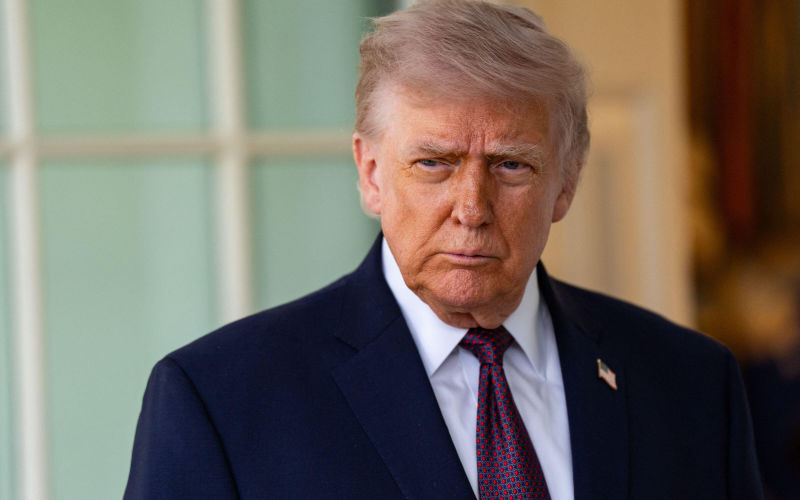
President Donald Trump addressed the standoff on Sunday, 9 August 2026, telling Axios that the United States was adopting a low-key approach and was only semi-negotiating while monitoring Iran's severe inflation and economic difficulties. Trump asserted that the U.S. Naval blockade had intensified Tehran's economic pressures.
The U.S. Central Command (CENTCOM) confirmed that, as of Sunday, 9 August 2026, it had redirected 55 commercial vessels, disabled two, and boarded two in order to enforce the blockade. CENTCOM noted that sailors aboard the USS Ross were among personnel supporting over 20 warships deployed to the Middle East for blockade enforcement missions.
The United Kingdom Maritime Trade Operations (UKMTO) reported that the threat level in the Middle East remained severe, noting reduced levels of commercial traffic and confirming that a UAE-flagged tanker had been struck on Saturday, 8 August 2026.
Regional Escalations in Yemen and Saudi Arabia
Parallel to the maritime confrontation, the Yemeni military reported that Houthi strikes hit residential neighborhoods and the port of Mocha on Sunday, 9 August 2026. Air defences intercepted multiple drones, but the attack resulted in fatalities and injuries among both military personnel and civilians. The Houthis separately claimed responsibility for an attack on a Saudi refinery on the Red Sea coast.
In response to ongoing regional instability, Saudi Arabia and the internationally recognized Yemeni government joined a defense agreement with Turkey and Pakistan. Turkish Foreign Minister Hakan Fidan described the pact as a natural partnership for regional security, while Pakistan's foreign ministry emphasized its role in strengthening collective deterrence.
Additionally, Rosatom CEO Alexey Likhachev announced that the Russian state company had begun returning specialists to Iran's Bushehr nuclear power plant, with five engineers arriving to bring the total to 25, and further staffing dependent on the security environment.
What Happens Next
Diplomatic efforts will hinge on whether Washington and its intermediaries choose to engage with the list of conditions issued by the Supreme National Security Council. Observers will monitor upcoming updates from CENTCOM regarding blockade enforcement data, alongside UKMTO threat advisories and the finalization of the trilateral arrangement between Iran and Oman concerning Strait of Hormuz navigation.
How significant is this development?
Contribute your assessment to the aggregated reader sentiment ledger.
Frequently Asked Questions
Key questions answered in this reportWhat is the key development in: Iran appoints Mohsen Rezaee to lead security council as Oman deal nears?
Iran has appointed veteran commander Mohsen Rezaee to head its Supreme National Security Council as maritime negotiations with Oman approach a final agreement.
Why is this World development significant for the UK?
This report covers critical events in our World beat. Independent reporting monitors related UK statements, regulatory shifts, and public responses as further verified details emerge.
How was this reporting corroborated and verified?
Newsarchy UK compiles and cross-references reporting from primary reporting from cnbctv18.com and cross-checked wire reports. All coverage adheres to published editorial standards.
When was this report published?
This briefing was published on August 10, 2026 and is permanently cataloged in the Newsarchy UK World archives.