Iran and Oman negotiate safe navigation framework for Strait of Hormuz
Iran and Oman report an understanding on a safe navigation framework for the Strait of Hormuz amid plummeting commercial traffic and US tensions.
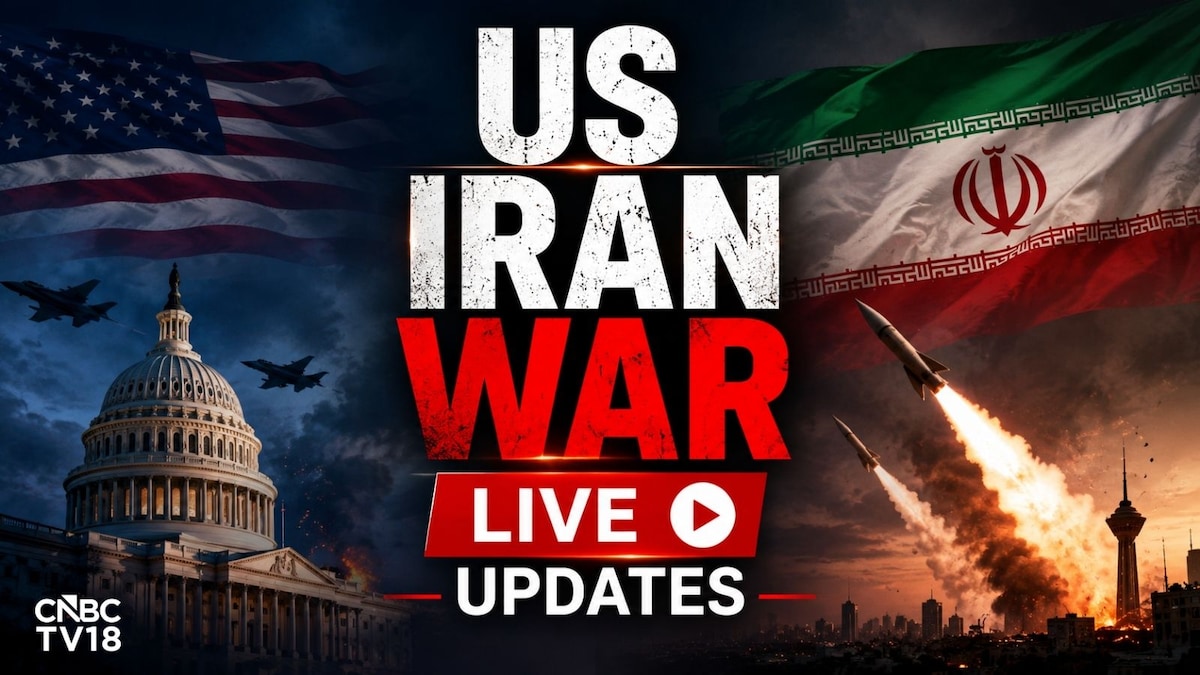
- Core Development: Iran and Oman report an understanding on a safe navigation framework for the Strait of Hormuz amid plummeting commercial traffic and US tensions.
- Beat Context: Categorized under World with independent corroboration.
- Reporting Depth: 3 minute analytical read synthesized from verified newsroom sources.
Iran and Oman have reached an understanding on a framework designed to permit safe vessel transit through the Strait of Hormuz, according to statements from Iranian officials. The diplomatic push coincides with a steep decline in commercial shipping through the narrow chokepoint, where roughly a fifth of global oil and gas passes. Vessel tracking data from MaritimeTraffic showed crossings falling from 15 on Friday to 11 on Saturday and reaching a low of six on Sunday amid heightened security concerns.
Iranian Foreign Ministry spokesperson Esmaeil Baqaei stated that negotiations with Oman are proceeding smoothly and that an understanding has been achieved regarding the navigation route. However, Baqaei warned that certain parties are attempting to obstruct an agreement, noting that technical points concerning a joint statement are still being finalised. Baqaei also addressed the provision of maritime services, stating that such services should naturally receive compensation once arrangements are put in place, though he noted that specific transit fee discussions are not currently on the agenda.
Media additions

The diplomatic discussions have unfolded alongside international appeals for de-escalation. Japanese Prime Minister Sanae Takaichi spoke by phone with Oman’s Sultan Haitham bin Tariq Al Said, calling for the resumption of free and safe navigation through the strategic waterway. According to Takaichi, the Omani leader indicated that Oman would consult with and respect the views of countries relying on the route.
The security situation in the strait remains tied to broader hostilities. Baqaei asserted that the opening of the Strait of Hormuz is subject to conditions imposed on the waterway, stating that it remains unsafe while the U.S. Naval blockade and other actions continue. Iranian officials have linked the reopening of the route to demands including the cessation of U.S. Actions and compensation for damage caused by attacks. Deputy Speaker of Parliament Ali Nikzad stated that the waterway will not return to pre-war conditions and that the United States and Israel understand the situation cannot be resolved through military means.
Environmental concerns have added further urgency to maritime management in the region. The Oman Environment Authority reported an oil slick covering approximately 390 square kilometres off the coast of Oman, originating from a sanctioned tanker carrying Russian crude that was damaged near the Hallaniyat Islands. The spill has extended toward the mainland, coming within about 7km of the shore at its closest point.
Leadership changes within Iran's security apparatus have accompanied the diplomatic efforts. President Masoud Pezeshkian appointed former Islamic Revolutionary Guard Corps commander Mohsen Rezaee as secretary of the Supreme National Security Council, replacing Mohammad Bagher Zolghadr, who was appointed as a political adviser to Supreme Leader Mojtaba Khamenei. Analysts offered differing perspectives on the appointment. Senior research fellow Abas Aslani told Al Jazeera that Rezaee could help synchronise different bodies of government and act as a bridge across factions during negotiations. Conversely, international relations professor Mohsen Farkhani argued that the selection reflects a shift toward offensive deterrence and traditional warfare approaches.
Meanwhile, diplomatic contacts continue across the region and beyond. Iranian Foreign Minister Abbas Araghchi discussed regional developments in a phone call with German Foreign Minister Johann Wadephul, while the Iranian foreign ministry announced future visits by Araghchi and Parliament Speaker Mohammad Bagher Ghalibaf to Pakistan. At the United Nations, U.S. Ambassador Mike Waltz pointed to Treasury Department measures affecting the Iranian economy, suggesting that financial pressure could eventually influence Tehran's negotiating stance.
The coming days will test whether the understanding reached between Tehran and Muscat can be formalised into a binding arrangement that secures transit through the Strait of Hormuz.
How significant is this development?
Contribute your assessment to the aggregated reader sentiment ledger.
Frequently Asked Questions
Key questions answered in this reportWhat is the key development in: Iran and Oman negotiate safe navigation framework for Strait of Hormuz?
Iran and Oman report an understanding on a safe navigation framework for the Strait of Hormuz amid plummeting commercial traffic and US tensions.
Why is this World development significant for the UK?
This report covers critical events in our World beat. Independent reporting monitors related UK statements, regulatory shifts, and public responses as further verified details emerge.
How was this reporting corroborated and verified?
Newsarchy UK compiles and cross-references reporting from primary reporting from cnbctv18.com and cross-checked wire reports. All coverage adheres to published editorial standards.
When was this report published?
This briefing was published on August 10, 2026 and is permanently cataloged in the Newsarchy UK World archives.