Iran Revolutionary Guards stop four ships in Strait of Hormuz
Iran's Islamic Revolutionary Guard Corps intercepted four commercial vessels in the Strait of Hormuz using warning shots, as regional tensions flared alongside drone strikes in Iraq and Jordan.
- Core Development: Iran's Islamic Revolutionary Guard Corps intercepted four commercial vessels in the Strait of Hormuz using warning shots, as regional tensions flared alongside drone strikes in Iraq and Jordan.
- Beat Context: Categorized under World with independent corroboration.
- Reporting Depth: 3 minute analytical read synthesized from verified newsroom sources.
Tensions in vital Middle Eastern waterways escalated sharply on Saturday, CBS News reported, after Iran's Islamic Revolutionary Guard Corps announced that its naval forces had stopped four commercial vessels attempting to transit the strategic Strait of Hormuz over the previous twenty-four hours.
According to state television broadcasts cited by Yahoo News, the four vessels had intended to navigate the southern area of the strait via an unauthorised and unsafe route. The IRGC Navy fired warning shots, forcing the ships to alter their course. Tehran has increasingly sought to strong-arm international shipping away from U.S.-sanctioned routes hugging the Omani coast, pushing tankers instead toward Iranian waters where vessels are expected to pay for safe passage.
Media additions
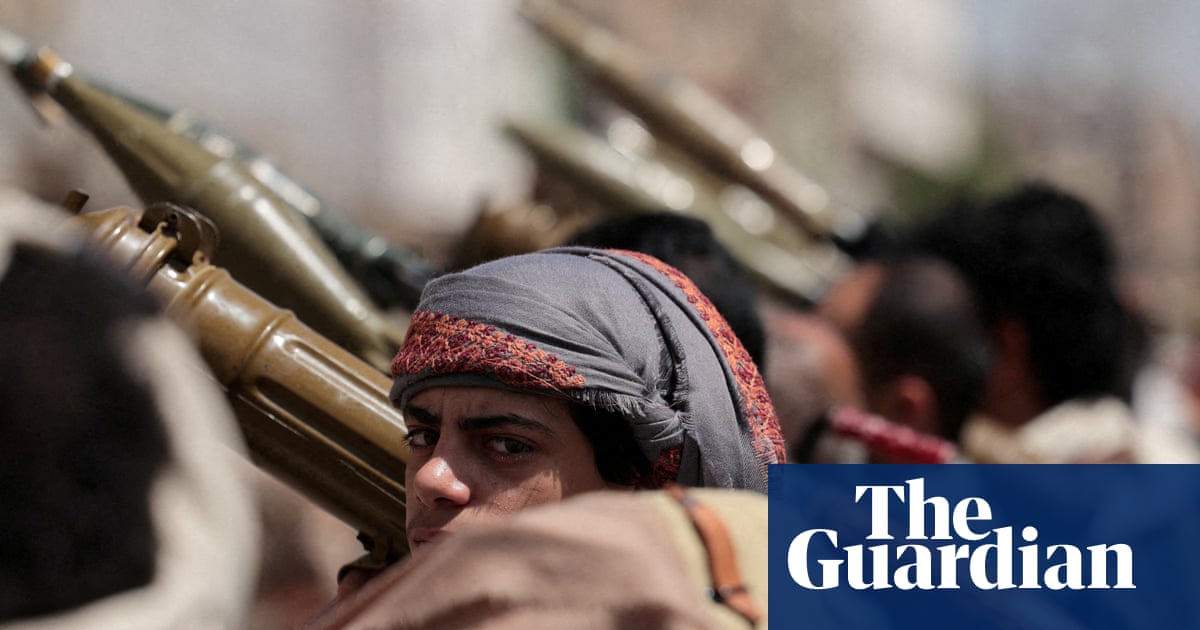
Traffic through the Strait of Hormuz had already fallen significantly, while intelligence firm Kpler data showed that only a small number of ships passed through the waterway. Meanwhile, the Bab el-Mandeb Strait at the southern end of the Red Sea saw separate turmoil. Yemen's Iran-backed Houthi movement announced missile and drone strikes against Saudi oil company Aramco facilities in Yanbu and Jizan. Yahya Saree, the Houthi military spokesperson, claimed the barrage successfully hit its targets, though those claims could not be independently verified. The Houthis stated that their actions were limited to a maritime blockade affecting only the Saudi side, and top Houthi negotiator Mohammed Abdusalam insisted there was no complete closure of the Bab el-Mandeb.
Amid the regional friction, Saturday brought a temporary lull in direct aerial bombardments inside Iran. Hossein Kermanpour, the Iranian Health Ministry spokesperson, posted on social media that Iran had experienced a peaceful night without any reported U.S. Strikes, breaking a streak of thirteen consecutive nights of American attacks. The U.S. Central Command did not immediately issue new strike announcements.
Yet the respite did not extend across the wider region. Kurdish counterterrorism forces confirmed that U.S.-led coalition air defenses intercepted and shot down five explosive-laden drones over Erbil in northern Iraq. Jordan's military similarly reported intercepting incoming missiles and drones, while three U.S. Soldiers were reported killed in an Iranian missile attack on an air base in southern Jordan.
Diplomatic and economic fallout continued to mount. Global energy markets reacted nervously, with Brent crude briefly breaching the $100 threshold before dipping back down. Meanwhile, the U.S. State Department announced new sanctions targeting an Iranian billionaire network accused of helping fund the Revolutionary Guard, and the European Union instituted human rights sanctions against regional judges and a prominent cyber figure.
Further developments and high-level diplomatic talks are expected in the coming days as international leaders navigate the unfolding crisis:
- Israeli Prime Minister Benjamin Netanyahu is scheduled to travel to Washington, D.C., to meet with the U.S. President at the White House.
- U.S. Leadership weighs potential expansions of military targets inside Iran, including civilian infrastructure and energy export terminals.
- Regional intermediaries, including Qatar and Pakistan, continue efforts to sustain diplomatic channels amid stalled ceasefire proposals.
Readers can follow ongoing developments across the region via World coverage, including updates on US-Iran military engagements and recent maritime tanker incidents.
How significant is this development?
Contribute your assessment to the aggregated reader sentiment ledger.
Frequently Asked Questions
Key questions answered in this reportWhat is the key development in: Iran Revolutionary Guards stop four ships in Strait of Hormuz?
Iran's Islamic Revolutionary Guard Corps intercepted four commercial vessels in the Strait of Hormuz using warning shots, as regional tensions flared alongside drone strikes in Iraq and Jordan.
Why is this World development significant for the UK?
This report covers critical events in our World beat. Independent reporting monitors related UK statements, regulatory shifts, and public responses as further verified details emerge.
How was this reporting corroborated and verified?
Newsarchy UK compiles and cross-references reporting from primary reporting from cbsnews.com and cross-checked wire reports. All coverage adheres to published editorial standards.
When was this report published?
This briefing was published on July 25, 2026 and is permanently cataloged in the Newsarchy UK World archives.