Iran seeks authority over inbound vessels in Hormuz talks with Oman
Iran is seeking formal authority over inbound shipping and visibility over outbound traffic through the Strait of Hormuz as diplomatic discussions with Oman advance.
- Core Development: Iran is seeking formal authority over inbound shipping and visibility over outbound traffic through the Strait of Hormuz as diplomatic discussions with Oman advance.
- Beat Context: Categorized under World with independent corroboration.
- Reporting Depth: 3 minute analytical read synthesized from verified newsroom sources.
Iran is seeking formal authority over inbound shipping and visibility over outbound traffic through the Strait of Hormuz as diplomatic discussions with Oman advance. According to a senior Iranian source involved in the talks, Tehran's latest proposal envisions inbound vessels requiring Iranian clearance, while outbound traffic would follow a route between Iran and Oman with exit clearance handled through Oman after notifying Tehran. This framework follows Iran's rejection of an earlier Omani plan that proposed an equal division of transit routes between the two countries, a proposal Tehran argued failed to address its security concerns.
The diplomatic maneuver comes amid a complex web of international statements regarding the status of negotiations to end the five-month conflict. United States Secretary of State Marco Rubio said that progress has been made in talks between Iran and Oman regarding safe short-term passage through the waterway, though he cautioned that there is no finality yet. Secretary Rubio emphasized that while the immediate focus remains on reopening the straits, the ultimate goal for Washington is the complete denuclearization of Iran. Meanwhile, Treasury Secretary Scott Bessent suggested that a deal to open the strait could be reached as early as Wednesday, helping drive down oil prices and lifting Wall Street.
Media additions
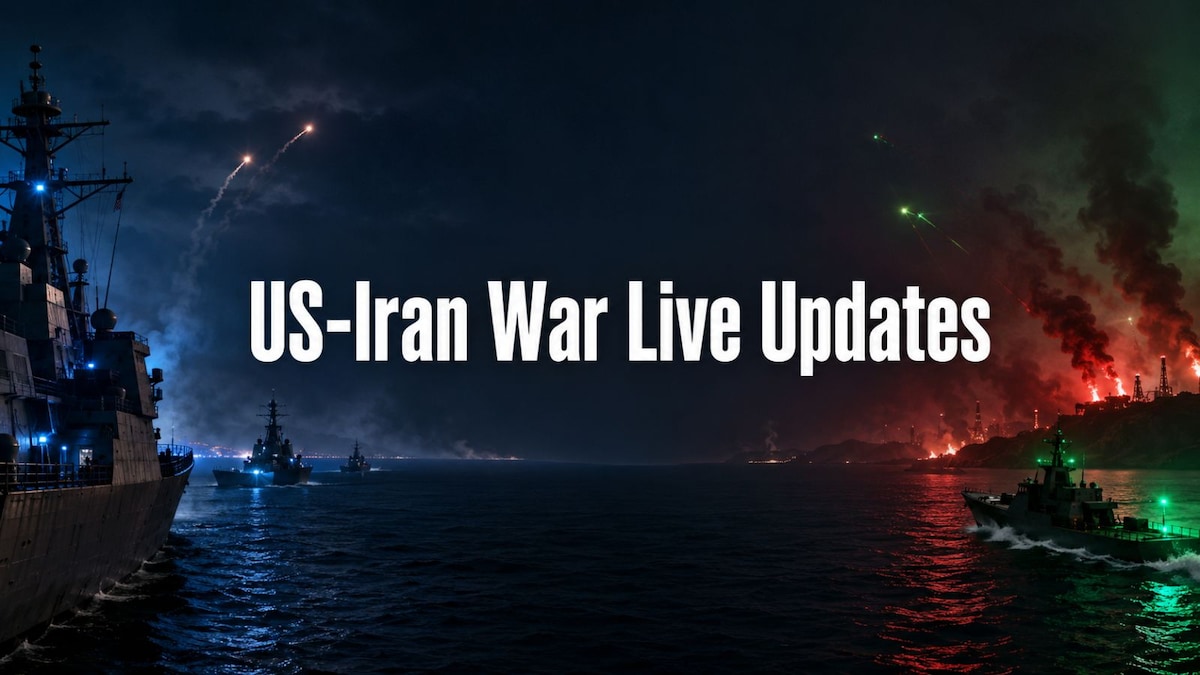
Tehran, however, has publicly denied that direct talks are underway with the White House, maintaining that current discussions are strictly bilateral negotiations with Oman concerning the future of the strait. President Masoud Pezeshkian stated that while Iran will defend its borders, it is not seeking to expand the war. Regional mediators are working intensely to bridge the divide, with Qatari foreign ministry officials reporting that draft language for a possible short-term agreement is circulating between the parties, though no direct talks between Washington and Tehran have been scheduled.
The geopolitical friction continues to disrupt vital energy chokepoints and maritime commerce. The United Kingdom Maritime Trade Operations and maritime risk firms reported that the Liberian-flagged cargo vessel MV Minoan Pioneer was struck by an unknown projectile northeast of Al Khasab, Oman, resulting in an electrical blackout, an abandoned ship, and one missing seafarer. Concurrently, data from maritime tracking firms indicate that oil flows through the strait remain severely depressed, with Iraq exporting roughly thirty million barrels over a recent monthly tracking period—far below pre-war averages—forcing Baghdad to explore alternative overland trucking and pipeline routes. Regional security pressures also persist beyond the Gulf, with Yemen's Iran-backed Houthis claiming a drone strike on a target in southern Saudi Arabia, and a separate incident involving a sinking Indian vessel near Yemeni waters.
As diplomatic channels grind forward through Omani and Qatari mediation, broader economic and military pressures are mounting. Domestically, the protracted war and resulting energy volatility continue to influence public sentiment and market behavior globally, leaving littoral states and international observers waiting to see if the current Omani-brokered proposals can translate into a lasting maritime agreement.
What to Watch Next
- Ongoing discussions between Iran and Oman concerning inbound vessel authority and transit route management in the Strait of Hormuz.
- Potential announcements regarding a short-term reopening agreement, which U.S. Officials have suggested could materialize as soon as Wednesday.
- The seventh round of U.S.-mediated negotiations in Rome between Lebanon and Israel, scheduled to run through Thursday.
- Continued maritime tracking data from the strait and the Bab el-Mandeb to gauge whether commercial shipping volumes begin to recover from blockade levels.
For related developments, consult our broader coverage on world affairs, catch up on regional diplomatic mediation via Qatar reports progress on US-Iran talks to end war and reopen Hormuz, review the fallout from maritime incidents at Ship attacked near Strait of Hormuz as status of U.S.-Iran talks remain unclear, or explore the strategic escalation tactics detailed in Iran expands regional pressure campaign to force US concessions on Hormuz.
How significant is this development?
Contribute your assessment to the aggregated reader sentiment ledger.
Frequently Asked Questions
Key questions answered in this reportWhat is the key development in: Iran seeks authority over inbound vessels in Hormuz talks with Oman?
Iran is seeking formal authority over inbound shipping and visibility over outbound traffic through the Strait of Hormuz as diplomatic discussions with Oman advance.
Why is this World development significant for the UK?
This report covers critical events in our World beat. Independent reporting monitors related UK statements, regulatory shifts, and public responses as further verified details emerge.
How was this reporting corroborated and verified?
Newsarchy UK compiles and cross-references reporting from primary reporting from cnbctv18.com and cross-checked wire reports. All coverage adheres to published editorial standards.
When was this report published?
This briefing was published on August 4, 2026 and is permanently cataloged in the Newsarchy UK World archives.