Iran makes new strait demands, UAE says ship was targeted by Iranian missile
Iran's security council states the strategic waterway will remain closed until Washington meets stringent demands, while UAE reports an ADNOC ship was hit by a missile.

- Core Development: Iran's security council states the strategic waterway will remain closed until Washington meets stringent demands, while UAE reports an ADNOC ship was hit by a missile.
- Beat Context: Categorized under World with independent corroboration.
- Reporting Depth: 3 minute analytical read synthesized from verified newsroom sources.
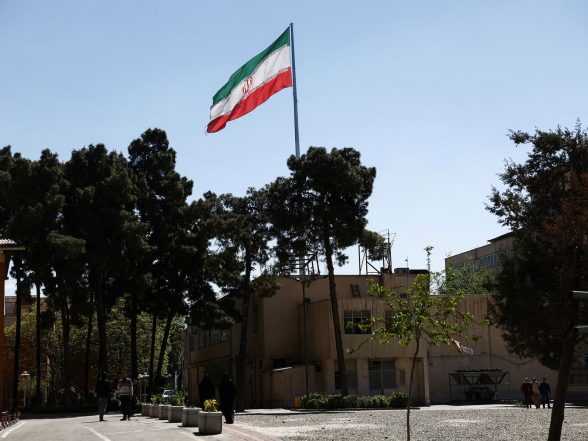
The diplomatic standoff centers on the Supreme National Security Council, Iran's politburo-like governing body. In a statement published by state broadcasters, council secretary and Revolutionary Guard commander Mohammad Bagher Zolghadr declared that the strategic waterway will remain closed until Washington fundamentally alters its posture. The body outlined a stringent list of demands, insisting that the United States must permanently cease threats against Iran, end hostilities involving regional allies, withdraw military forces, lift naval blockades on Iranian ports, compensate for war damages, lift economic sanctions, and unconditionally release frozen financial assets.
There was no immediate formal response from the United States regarding the newly issued demands. Washington has consistently maintained that an acceptable agreement concerning the strait's management must be reached prior to dissolving the blockade. Under an interim accord signed in June, negotiators structured a framework whereby a schedule for terminating sanctions and mapping out compensation would form part of a final settlement, with separate provisions addressing frozen assets. That negotiating window is slated to close in just over a week, though provisions exist for extensions.
Media additions
Parallel to the broader confrontation with Washington, Tehran has pursued separate bilateral discussions with Oman. Iranian Foreign Minister Abbas Araghchi indicated that negotiators were nearing an alignment regarding navigation protocols and transit routes. However, Araghchi reiterated that full reopening remains tethered to broader conditions, placing blame on Washington for allegedly violating the interim pact. Meanwhile, Omani mediators described ongoing talks as operating within a constructive atmosphere, while issuing a formal condemnation of attacks targeting commercial shipping within the strait.
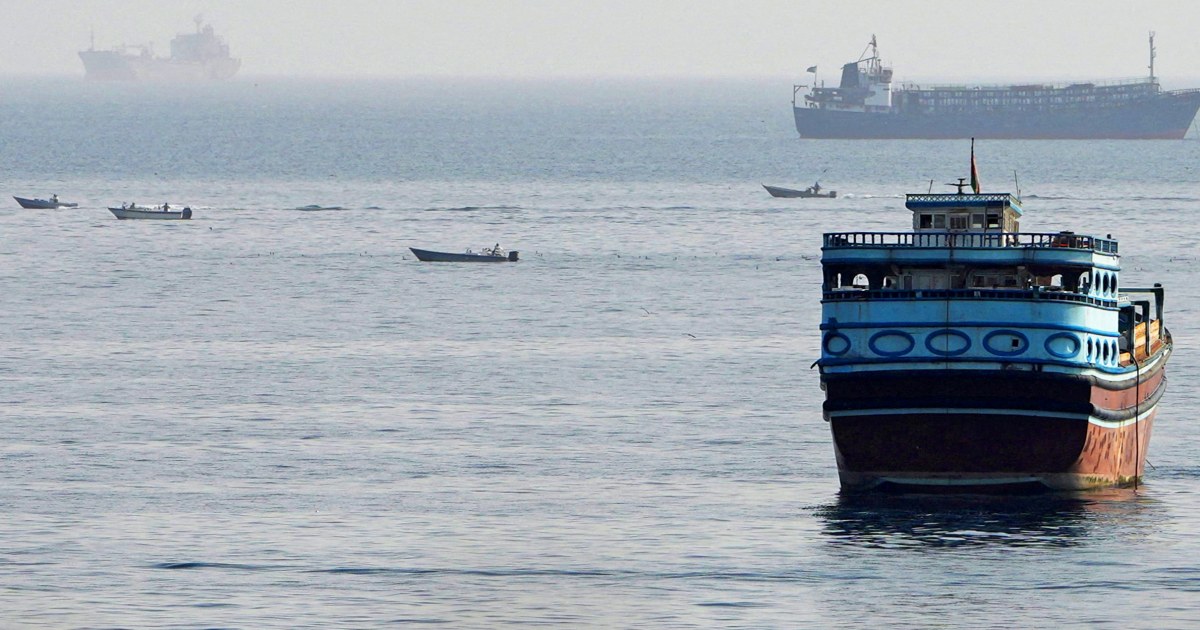
Commercial transit through the passage, which traditionally handles a major share of global oil and natural gas supplies, remains severely restricted. Emirati authorities reported that a vessel operated by Abu Dhabi's state-owned oil and gas enterprise, ADNOC, was struck by an Iranian missile during transit. ADNOC confirmed that the strike resulted in no casualties, though corporate disclosures note that over a dozen company vessels have faced missile and drone attacks since hostilities initiated by the United States and Israel began in February. Previous incidents in this campaign have resulted in fatalities and multiple injuries among crew members.
Complementing these naval incidents, the United Kingdom Maritime Trade Operations Center reported a separate maritime event involving a projectile strike east of Omani waters, which sparked a fire that was swiftly extinguished. Authorities have not definitively linked this incident to the ADNOC attack.
Beyond the Gulf maritime crisis, regional flashpoints expanded into Yemen. Military spokespersons reported targeted strikes against Houthi rebel capabilities and positions across central and eastern regions. Colonel Majed al-Nazili stated that the military action was a direct response to recent rebel offensives. This military escalation threatens to unravel a fragile truce that has held since a previous agreement.
In a separate legislative development in Ankara, a parliamentary committee approved a draft law designed to advance a peace framework addressing decades of internal conflict. The measure outlines procedures for disarmament and rehabilitation concerning the Kurdistan Workers' Party, following the group's prior declaration to disband. The legislation is scheduled to reach the general assembly.
What to watch next
- The looming expiration of the negotiating window for a final agreement on the Strait of Hormuz.
- Potential responses from Washington regarding the Supreme National Security Council's new demands.
- Parliamentary votes in Ankara concerning the Kurdish peace and disarmament legislation.
- Developments on the ground in Yemen following military exchanges with Houthi forces.
How significant is this development?
Contribute your assessment to the aggregated reader sentiment ledger.
Frequently Asked Questions
Key questions answered in this reportWhat is the key development in: Iran makes new strait demands, UAE says ship was targeted by Iranian missile?
Iran's security council states the strategic waterway will remain closed until Washington meets stringent demands, while UAE reports an ADNOC ship was hit by a missile.
Why is this World development significant for the UK?
This report covers critical events in our World beat. Independent reporting monitors related UK statements, regulatory shifts, and public responses as further verified details emerge.
How was this reporting corroborated and verified?
Newsarchy UK compiles and cross-references reporting from primary reporting from ms.now and cross-checked wire reports. All coverage adheres to published editorial standards.
When was this report published?
This briefing was published on August 8, 2026 and is permanently cataloged in the Newsarchy UK World archives.