Iran says Strait of Hormuz will remain closed amid stalled US talks
Diplomatic efforts to reopen the Strait of Hormuz have stalled as Iran hardens its stance, demanding the release of frozen assets before lifting the closure.
- Core Development: Diplomatic efforts to reopen the Strait of Hormuz have stalled as Iran hardens its stance, demanding the release of frozen assets before lifting the closure.
- Beat Context: Categorized under World with independent corroboration.
- Reporting Depth: 4 minute analytical read synthesized from verified newsroom sources.
The diplomatic push to reopen the vital Strait of Hormuz has hit a severe roadblock, sending shockwaves through global commodity and financial markets. The five-month-old conflict involving the United States, Israel, and Iran saw fresh escalations on Tuesday, August 11, as Tehran hardened its stance on the critical shipping lane.
Before the latest diplomatic breakdown, optimism had briefly flickered. Officials in Pakistan, acting as a regional mediator alongside Qatar, suggested that the warring sides were nearing an arrangement that could see commercial shipping resume through the waterway, which handled a fifth of global oil and liquefied natural gas flow prior to hostilities beginning. Those hopes evaporated following a sharp hardening of rhetoric from both Washington and Tehran.
Media additions

Iran's newly appointed second-in-command for security and foreign policy coordination, Mohsen Rezaei, stated firmly on Tuesday that the shipping corridor will remain shut. According to the semi-official Tasnim news agency cited by Aol, Rezaei declared that the crucial route will not reopen unless the United States alters its behavior and meets explicit Iranian prerequisites, including the release of frozen Iranian assets and an immediate halt to military conflicts across the region, specifically naming Lebanon and Gaza.
That defiant posture followed fresh financial and political demands from U.S. President Donald Trump. Writing on social media and speaking via Real America's Voice, Trump demanded that Iran pay financial compensation for individuals killed across five decades of wars, attacks, and protests. Throughout the conflict, Trump has alternated between threats of military escalation and assertions that a peace deal remains close, noting in a recent interview that he is willing to bop along
while navigating with negotiators he described as very devious.
U.S. Officials indicated that the administration has increasingly pivoted back to economic pressure rather than full-scale military escalation, opting to let financial sanctions and a naval blockade of Iranian ports do the heavy lifting, as reported by Morningstar. Meanwhile, Persian Gulf energy producers are increasingly concluding that Iranian control over the Strait of Hormuz may become a permanent fixture, disrupting exports indefinitely because going back to all-out war is viewed as an even worse alternative.
The standoff on diplomatic channels was matched by kinetic action across Middle Eastern waters. The U.S. Military reported that a Navy MH-60 helicopter fired two Hellfire missiles to disable the steering gear of a Panama-flagged cargo vessel after it ignored repeated warnings and violated the naval blockade on Iranian ports. Maritime sources told Reuters that the vessel was struck off Pakistan while sailing into the Gulf of Oman.
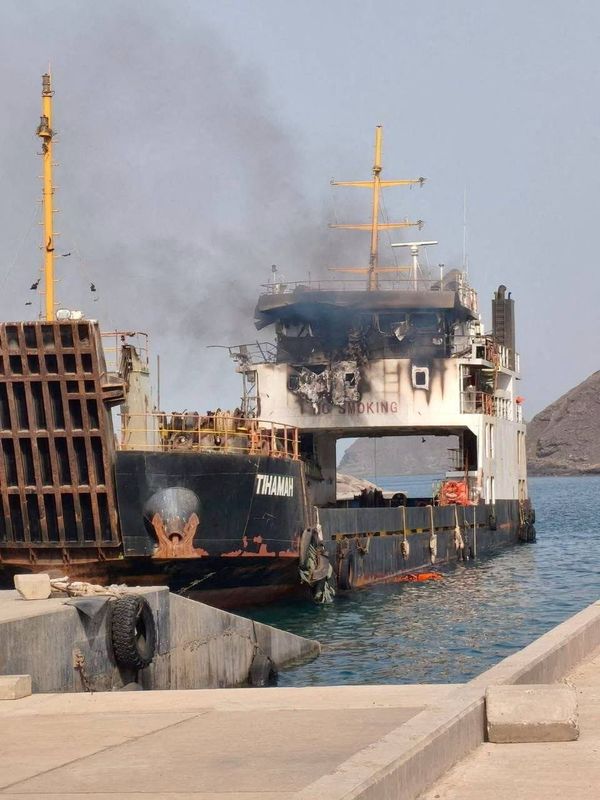
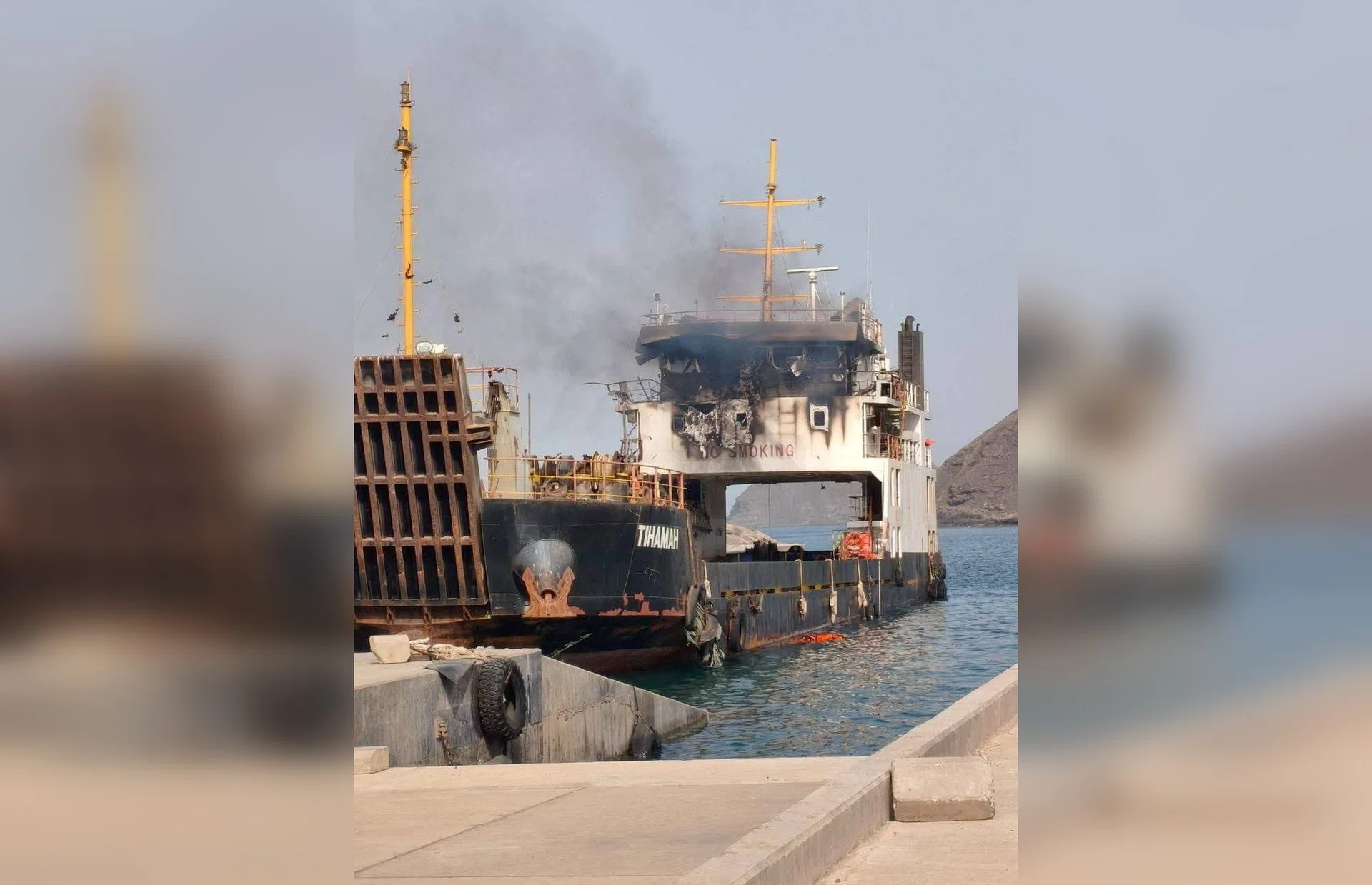
Simultaneously, Yemen's Iran-aligned Houthis launched separate strikes. The Houthi-run news agency Saba reported an attack on a Saudi ship carrying military equipment in the Bab el-Mandeb Strait, though there was no immediate confirmation from Riyadh. However, Yemen's Transport Ministry confirmed a separate tragedy in the same strait, stating that four crew members were killed in a suspected Houthi attack on the Egyptian-owned small cargo vessel Tihamah. The fatalities mark the first deaths in a Houthi strike on shipping since the conflict commenced.
Adding to concerns of a widening theater of war, Mohammad Reza Naqdi, an adviser to the commander of Iran's Revolutionary Guards, announced on Iranian state television that the military corps is actively developing the capability to carry out operations directly on enemy soil
whenever ordered.
Financial markets reacted swiftly to the dimming prospects for peace and the continued closure of the Hormuz chokepoint. Global shares retreated while oil prices advanced sharply. Brent crude futures climbed 1.4% to settle at $88.91 per barrel, and U.S. Crude rose 1.3% to $83.20, before extending gains further in subsequent trading sessions toward the $90 threshold, according to Morningstar data. Financial analysts warned that energy-driven inflation is complicating monetary policy, with markets pricing in an elevated probability that the Federal Reserve may raise interest rates in September.
Key Developments in the Strait of Hormuz Standoff
- Strait Status: Tehran insists the vital shipping route will stay closed until frozen assets are released and regional wars end, as detailed in World coverage.
- U.S. Demands: President Trump countered by demanding financial compensation from Iran for decades of conflicts.
- Naval Clashes: U.S. Forces disabled a Panama-flagged vessel violating port blockades, while Houthi strikes in the Bab el-Mandeb Strait resulted in the first reported crew fatalities of the conflict.
- Market Impact: Brent crude extended multi-day rallies, pushing near $90 a barrel and stoking fresh inflation anxieties across global markets.
As diplomatic channels remain frozen and regional actors prepare for a protracted disruption, international observers and financial institutions will be closely monitoring upcoming inflation data and central bank signals. For ongoing developments, consult our dedicated World coverage.
How significant is this development?
Contribute your assessment to the aggregated reader sentiment ledger.
Frequently Asked Questions
Key questions answered in this reportWhat is the key development in: Iran says Strait of Hormuz will remain closed amid stalled US talks?
Diplomatic efforts to reopen the Strait of Hormuz have stalled as Iran hardens its stance, demanding the release of frozen assets before lifting the closure.
Why is this World development significant for the UK?
This report covers critical events in our World beat. Independent reporting monitors related UK statements, regulatory shifts, and public responses as further verified details emerge.
How was this reporting corroborated and verified?
Newsarchy UK compiles and cross-references reporting from primary reporting from morningstar.com and cross-checked wire reports. All coverage adheres to published editorial standards.
When was this report published?
This briefing was published on August 12, 2026 and is permanently cataloged in the Newsarchy UK World archives.