Iran told US it won't charge ships using Strait of Hormuz, says Vance
US Vice President JD Vance announced that Iran has assured Washington it has no plans to impose transit fees on ships navigating the vital Strait of Hormuz.
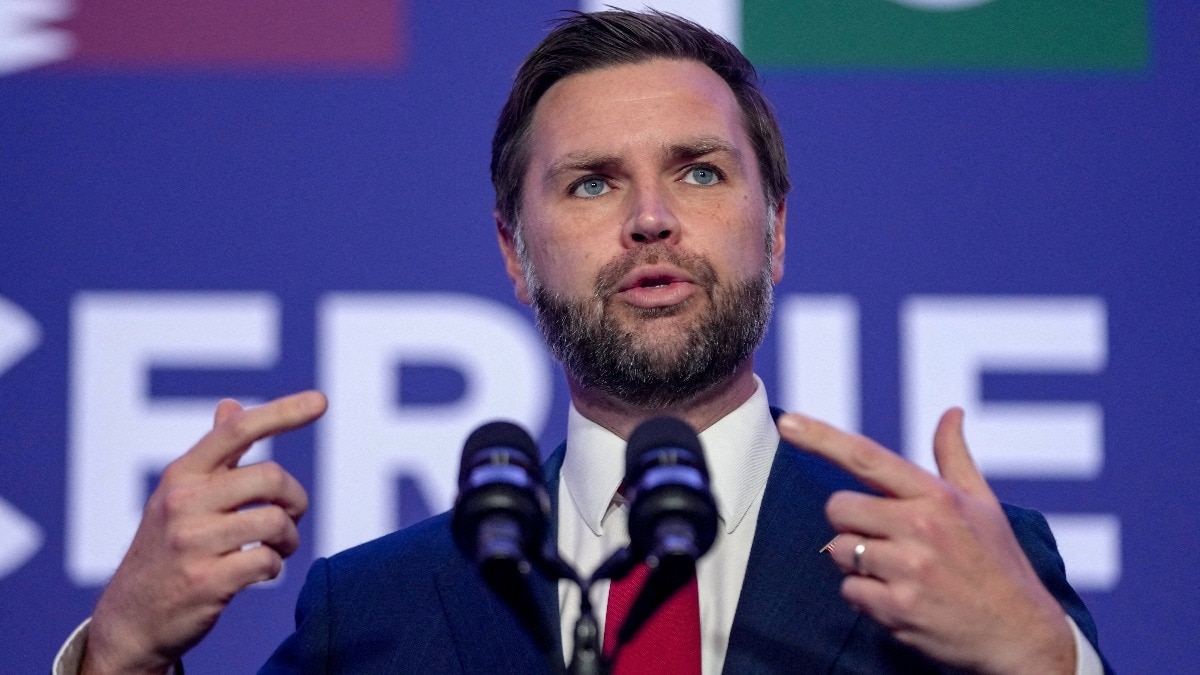
- Core Development: US Vice President JD Vance announced that Iran has assured Washington it has no plans to impose transit fees on ships navigating the vital Strait of Hormuz.
- Beat Context: Categorized under World with independent corroboration.
- Reporting Depth: 4 minute analytical read synthesized from verified newsroom sources.
US Vice President JD Vance has said Iran has assured Washington that it does not intend to impose transit fees on vessels passing through the Strait of Hormuz, offering a measure of reassurance even as American officials emphasize a cautious stance on maritime security. The assurances come as backroom diplomatic efforts, alongside separate talks mediated by Oman concerning safe navigation, route clearance, and demining operations, attempt to restart negotiations and bring warring parties back to the table after a conflict erupted earlier this year.
Speaking in an interview with Fox News, Vance addressed conflicting reports regarding potential transit fees in the crucial waterway. While some internal factions within Iran had reportedly discussed tolling commercial shipping — with earlier reports suggesting Tehran explored transit fees ranging from 5% to 7% of cargo value — Vance maintained that official communications tell a different story.
Media additions


"You see, some people within the Iranian system, of course, talk about tolling. The Iranians have told us they have no plans to toll the Strait of Hormuz. But again, we're going to see what actions actually happen,"
JD Vance, US Vice President, via Indiatoday
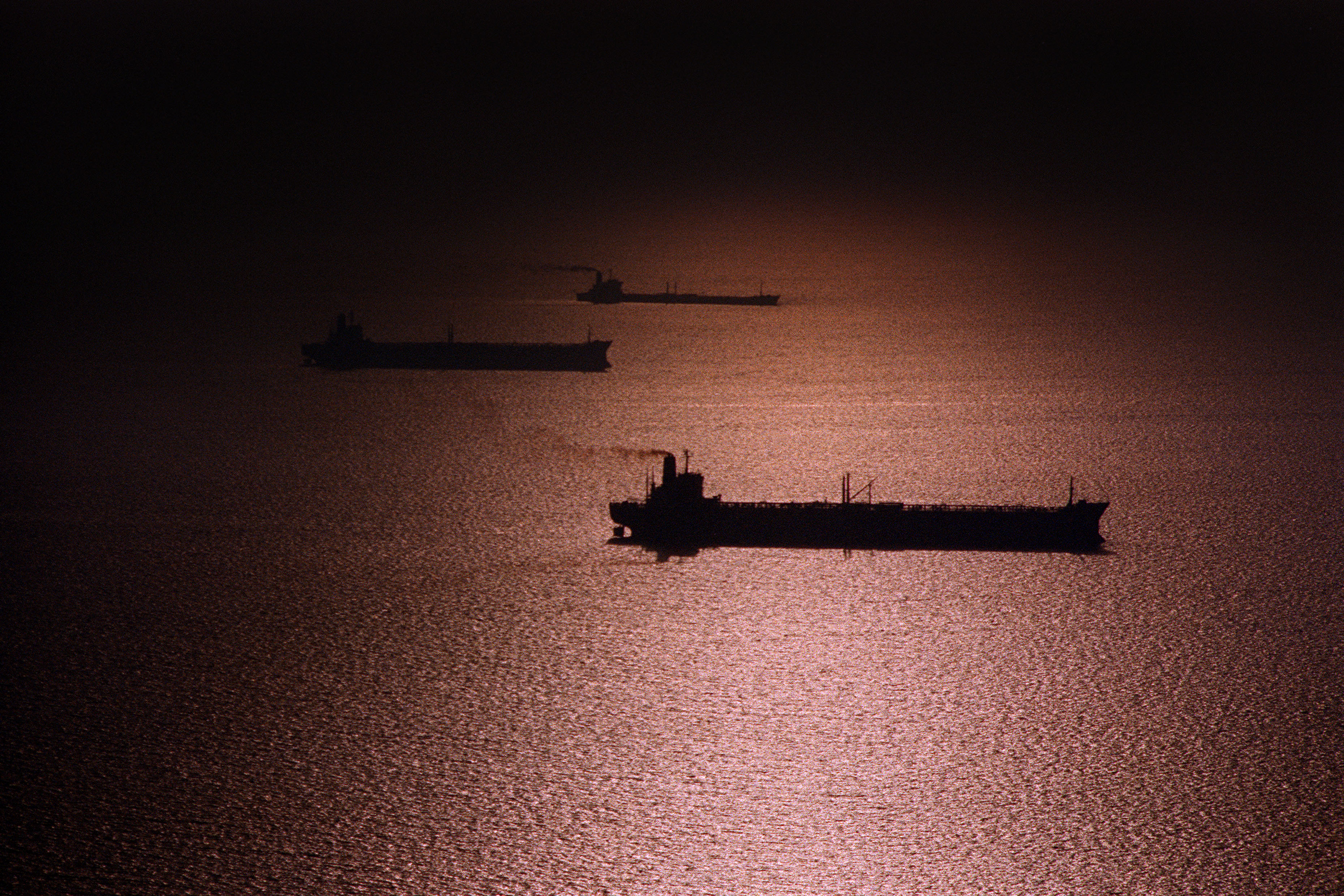
The Strait of Hormuz handles roughly one-fifth of global oil and natural gas trade, making any disruption a matter of major concern for energy markets worldwide. Washington's primary goal remains restoring oil and gas exports from the Gulf to pre-conflict levels, according to Vance, who noted expectations that the same volume of energy cargoes will move through the region again. While Gulf nations support reopening the energy trade corridor, the US administration maintains a policy of verification over blind trust.
"We don't trust, we verify. We actually look not at people's words, but people's deeds," Vance said, noting that Washington is closely monitoring developments on the ground.
Yet Secretary of Iran's Supreme National Security Council Mohammad Baqer Zolqadr has set out six conditions for the reopening of the Strait of Hormuz, declaring in a message released on Saturday that the strategic passage will stay shut until Washington alters its hostile posture and "corrects its behavior". Zolqadr emphasized that the Supreme National Security Council will never back down in war or negotiations, noting that these points represent the demands of the Iranian people following an ongoing presence on the battlefield and in the streets for 160 days.
According to the Mirror, Iranian state media and the Islamic Revolutionary Guard Corps framed the demands as an "American surrender document," asserting that Tehran's resilience has blunted US and Israeli strategies. While reports vary across international outlets regarding the exact scope of compensation and vessel restrictions, with some accounts detailing up to nine conditions, including a $300 billion payout, Iranian security officials have formally laid down rigorous demands.
Iran's Core Conditions for Reopening the Strait
- An end to threats and insults against Iran, including national and religious sanctities.
- A permanent cessation of military action against Iran and its regional allies in Lebanon, Palestine, Yemen, and Iraq.
- The lifting of the naval blockade and the withdrawal of US naval and air forces from the neighborhood.
- Full compensation for damages caused by past conflicts.
- The removal of all sanctions against the Iranian people.
- The unconditional release of frozen and blocked Iranian assets.
As backroom diplomacy encounters these steep hurdles, regional security dynamics continue to shift. The United Arab Emirates strongly condemned an Iranian attack against an Abu Dhabi National Oil Company tanker in the strait. Meanwhile, international attention has turned toward a newly reported tripartite defense pact between Saudi Arabia, Pakistan, and Turkey signed in Mecca, under which an attack on one member is treated as an attack on all. Turkish Foreign Minister Hakan Fidan clarified that the pact, dubbed an Islamic NATO by media, is not aimed at Iran, seeking to calm Tehran's anxieties over regional alliances. Saudi Arabia's de facto ruler Prince Mohammed bin Salman had reportedly prompted US President Donald Trump to halt planned strikes on Iran the previous month.
US President Donald Trump struck an optimistic chord, telling reporters on Thursday that he believes the conflict is drawing to a close, predicting that petrol prices will fall as a result, and noting that he is actively engaged in talks. Vance adopted a more measured evaluation, noting that while recent days have seen progress, significant roadblocks remain before all US objectives are satisfied and the system can deliver what is necessary.
What to Watch Next
- Further diplomatic talks mediated by Oman regarding maritime security arrangements and demining schedules for safe transit routes.
- Official US responses to Iran's newly enumerated conditions for full passage restoration and normal energy flows.
- Developments in commercial tanker traffic and potential security incidents within the Gulf energy corridor.
How significant is this development?
Contribute your assessment to the aggregated reader sentiment ledger.
Frequently Asked Questions
Key questions answered in this reportWhat is the key development in: Iran told US it won't charge ships using Strait of Hormuz, says Vance?
US Vice President JD Vance announced that Iran has assured Washington it has no plans to impose transit fees on ships navigating the vital Strait of Hormuz.
Why is this World development significant for the UK?
This report covers critical events in our World beat. Independent reporting monitors related UK statements, regulatory shifts, and public responses as further verified details emerge.
How was this reporting corroborated and verified?
Newsarchy UK compiles and cross-references reporting from primary reporting from indiatoday.in and cross-checked wire reports. All coverage adheres to published editorial standards.
When was this report published?
This briefing was published on August 9, 2026 and is permanently cataloged in the Newsarchy UK World archives.