Iran warns of infrastructure strikes in response to Trump threats
Tehran has rejected a U.S. ultimatum regarding maritime interference, warning that strikes on its infrastructure will trigger attacks on regional facilities.

- Core Development: Tehran has rejected a U.S. ultimatum regarding maritime interference, warning that strikes on its infrastructure will trigger attacks on regional facilities.
- Beat Context: Categorized under World with independent corroboration.
- Reporting Depth: 3 minute analytical read synthesized from verified newsroom sources.
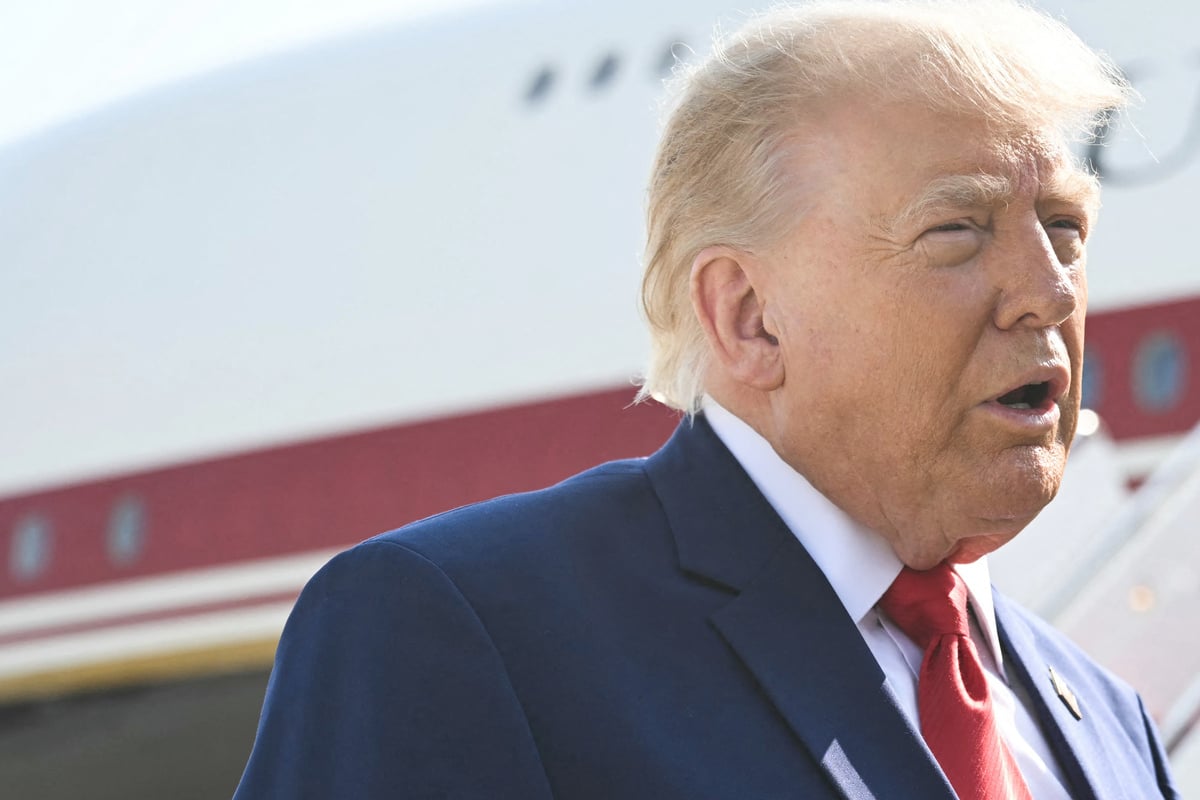
President Donald Trump issued a formal ultimatum to the Islamic Republic of Iran on Wednesday, 22 July 2026, declaring that the United States will retaliate against maritime interference in the Strait of Hormuz by destroying critical civilian infrastructure. According to the president, the U.S. Will bomb and destroy one bridge or power plant for every vessel targeted by Iranian missiles, rockets, or drones. This policy, shared via social media, explicitly includes facilities located within or near Tehran.
The warning arrives as the conflict enters its eleventh consecutive night of U.S. Airstrikes. U.S. Central Command confirmed that recent operations have targeted Iranian military command centers, maritime capabilities, aircraft hangars, logistics infrastructure, and drone storage facilities. Iranian state media reported explosions in multiple provinces, including regions near Tabriz, and indicated that air defense systems were activated over Tehran.
Media additions

Responses and Retaliatory Doctrine
Tehran’s leadership rejected the ultimatum, with Foreign Minister Abbas Araghchi stating on social media,
Araghchi warned that any aggression against Iranian infrastructure would trigger a powerful, decisive response, adding that those supporting such actions would be considered legitimate targets. A semi-official Iranian military source, linked to the Islamic Revolutionary Guard Corps, issued a separate warning that any U.S. Strike on Iranian bridges or power plants would be met with retaliatory strikes on infrastructure and energy facilities across the region where the United States maintains interests."Our defense doctrine is clear: eye for an eye."
Meanwhile, the diplomatic path remains narrow. Secretary of State Marco Rubio told foreign ministers at an ASEAN summit in Manila that the U.S. Remains open to talks only if Iran demonstrates genuine intent. Rubio warned that allowing Iran to dictate access to a vital waterway creates a dangerous global precedent. Iran’s Parliament, however, stated that U.S. Claims of a request for negotiations are unfounded, with spokesperson Hasan Ghashghavi characterizing the president’s position as a quagmire
.
Economic and Regional Instability
The escalating conflict continues to strain global energy markets. International benchmark Brent Crude climbed above $95 a barrel on Wednesday. Iraq has lost more than $40 billion in revenue since the conflict began, as its ability to export oil through the Strait of Hormuz has been severely constrained. Shipping traffic in the strait fell to a three-week low, with operators avoiding the area due to security concerns.
Regional tensions have also broadened. Jordan reported that its military intercepted four missiles, and Iranian media claimed its forces targeted storage depots at the Al-Azraq Air Base in Jordan. Amid the instability, a commercial agreement was finalized on Wednesday for U.S. Companies to manage nuclear power infrastructure on Saudi soil to support emerging energy needs.
The human cost of the conflict remains a central focus for the U.S. Administration. President Trump attended a dignified transfer at Dover Air Force Base on Wednesday for American service members killed in recent attacks, including personnel lost at the Muwaffaq Salti Air Base in Jordan and Erbil Air Base in Iraq. The total number of U.S. Service members killed since the war began on 28 February 2026 is 18. The Iranian Ministry of Health reported 53 civilian deaths and 592 injuries between late June and 22 July 2026.
What to Watch Next
- Diplomatic Meetings: Italy is scheduled to host a new round of direct talks between Israel and Lebanon on 4 August 2026.
- Maritime Security: The Joint Maritime Information Center in Bahrain continues to monitor the Strait of Hormuz, where commercial transit remains suppressed by ongoing threats.
- Regional Military Engagements: Observers are tracking potential Iranian retaliation against energy facilities in neighboring Gulf states, as well as the status of the investigation into the recent strikes on U.S. Bases in Jordan and Iraq.
How significant is this development?
Contribute your assessment to the aggregated reader sentiment ledger.
Frequently Asked Questions
Key questions answered in this reportWhat is the key development in: Iran warns of infrastructure strikes in response to Trump threats?
Tehran has rejected a U.S. ultimatum regarding maritime interference, warning that strikes on its infrastructure will trigger attacks on regional facilities.
Why is this World development significant for the UK?
This report covers critical events in our World beat. Independent reporting monitors related UK statements, regulatory shifts, and public responses as further verified details emerge.
How was this reporting corroborated and verified?
Newsarchy UK compiles and cross-references reporting from primary reporting from cbsnews.com and cross-checked wire reports. All coverage adheres to published editorial standards.
When was this report published?
This briefing was published on July 22, 2026 and is permanently cataloged in the Newsarchy UK World archives.