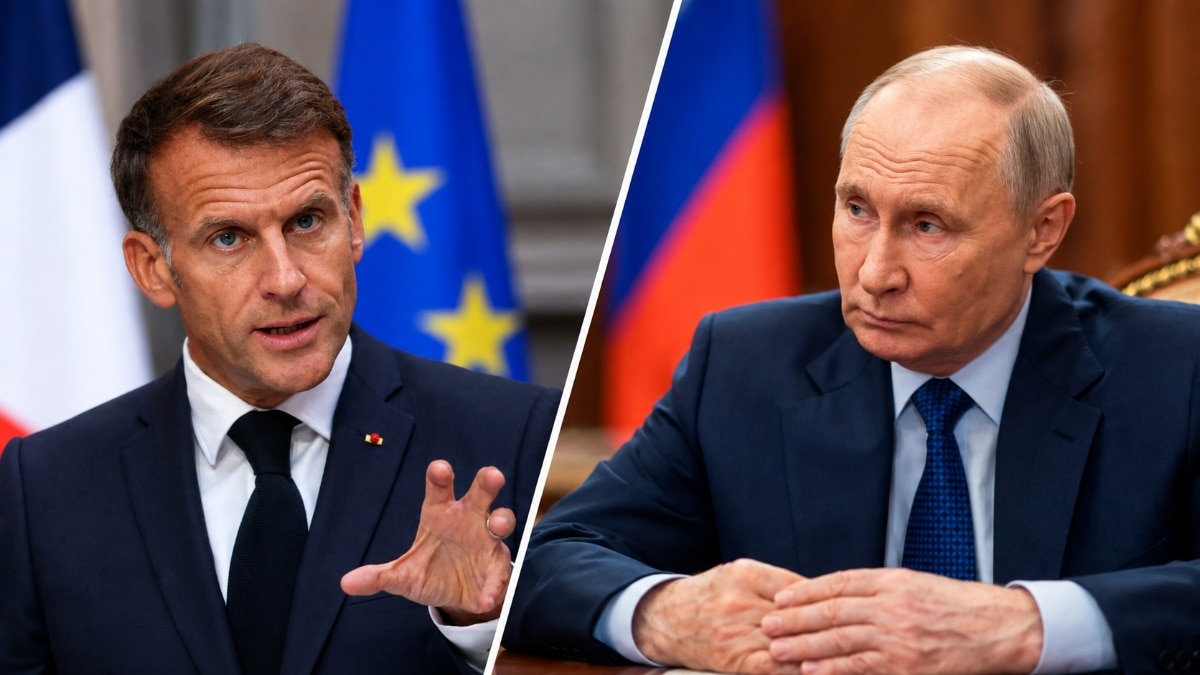
Iran vows retaliation after alleged Ukrainian strike on Caspian cargo ship
Iran has vowed retaliation following a strike on an Iranian-flagged cargo ship in the Caspian Sea that killed one sailor and injured three others.
- Core Development: Iran has vowed retaliation following a strike on an Iranian-flagged cargo ship in the Caspian Sea that killed one sailor and injured three others.
- Beat Context: Categorized under World with independent corroboration.
- Reporting Depth: 5 minute analytical read synthesized from verified newsroom sources.
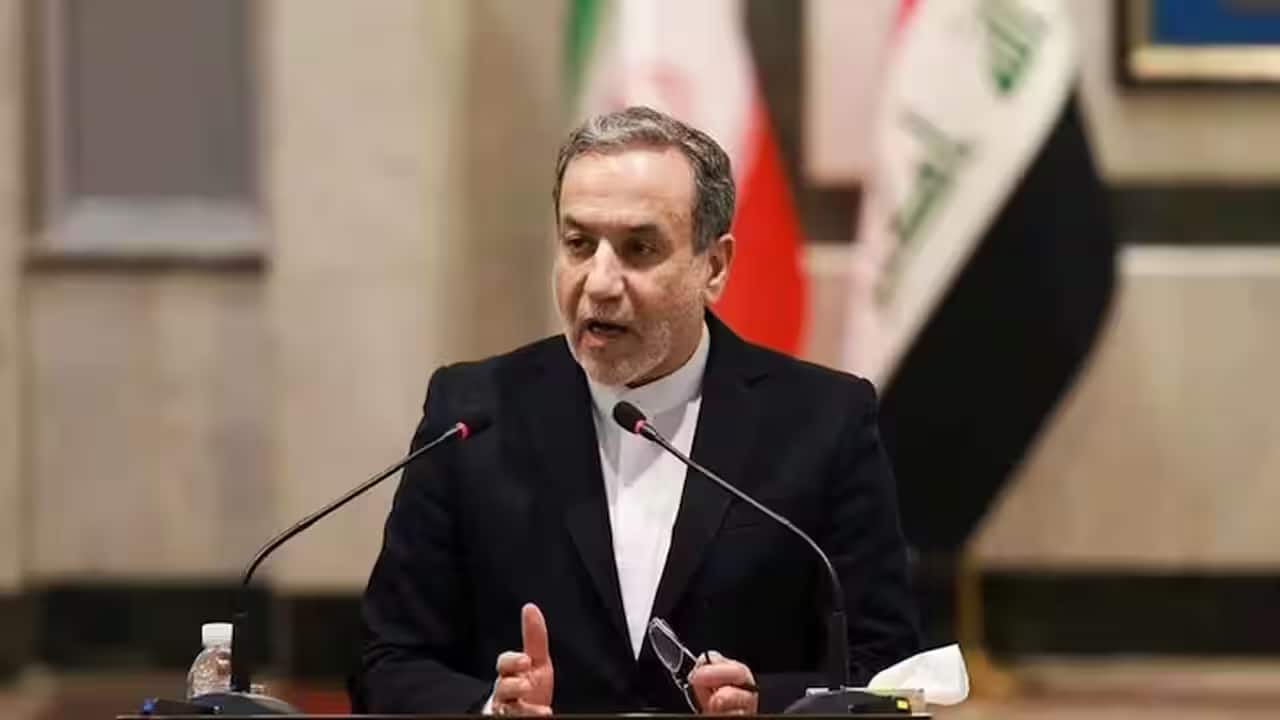
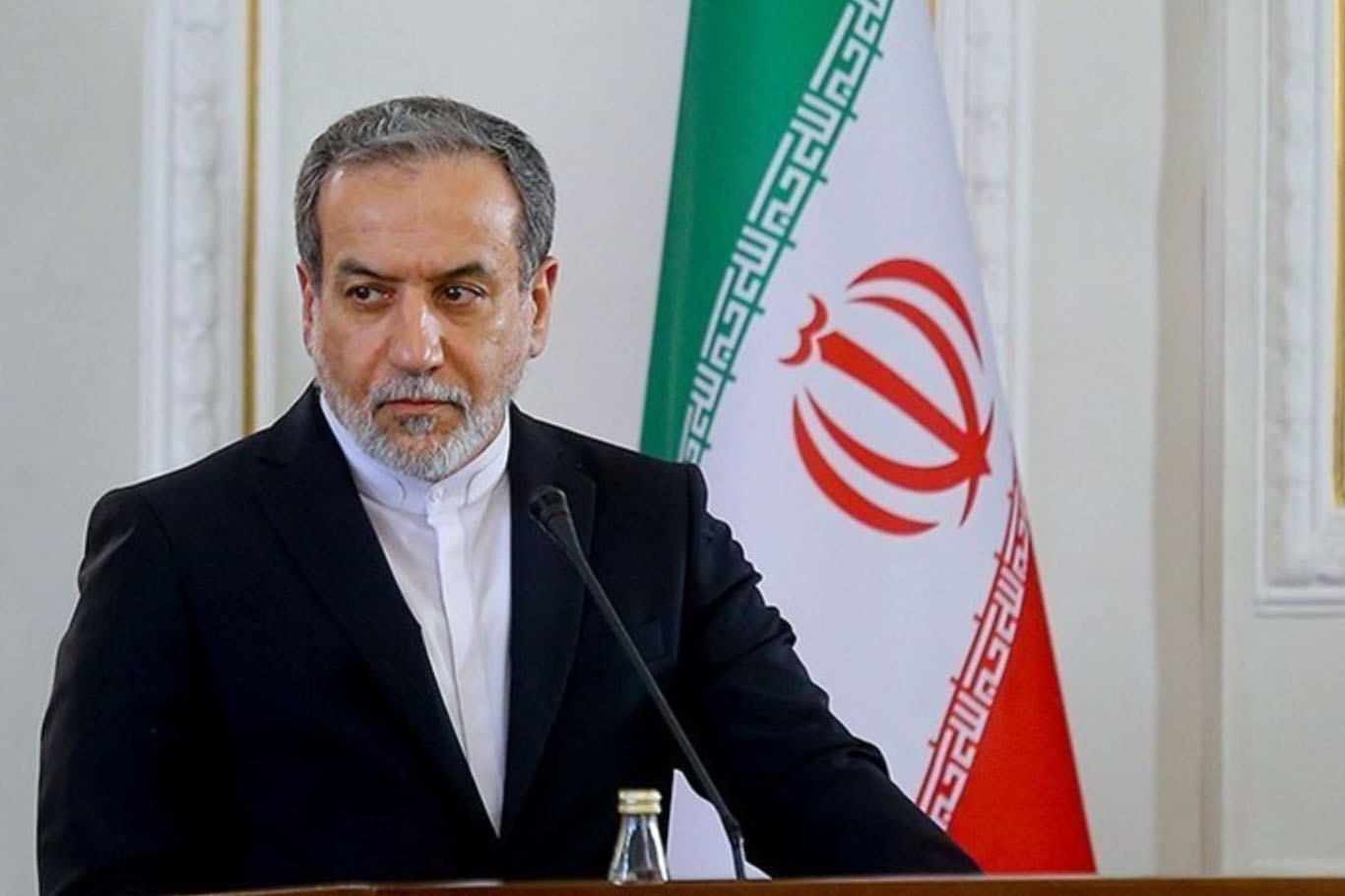
Tehran’s declaration that the July 25 attack on an Iranian‑flagged cargo vessel “cannot go unanswered” has shifted the calculus of a conflict that already stretches from the Black Sea to the Gulf of Hormuz. The warning, delivered by Foreign Minister Abbas Araghchi, raises the spectre of a new front in a war that the United States has just placed on pause.
What happened in the Caspian Sea
According to Iran’s foreign ministry, a commercial ship bound for the northern port of Anzali from Russia’s Astrakhan was hit in the pre‑dawn hours of July 25. The strike shattered the vessel’s navigation bridge, killed one sailor and wounded three others, and left the ship stranded in the Caspian Sea. Iranian officials described the blast as a “massive explosion” that turned the ship into a floating wreck.
Media additions

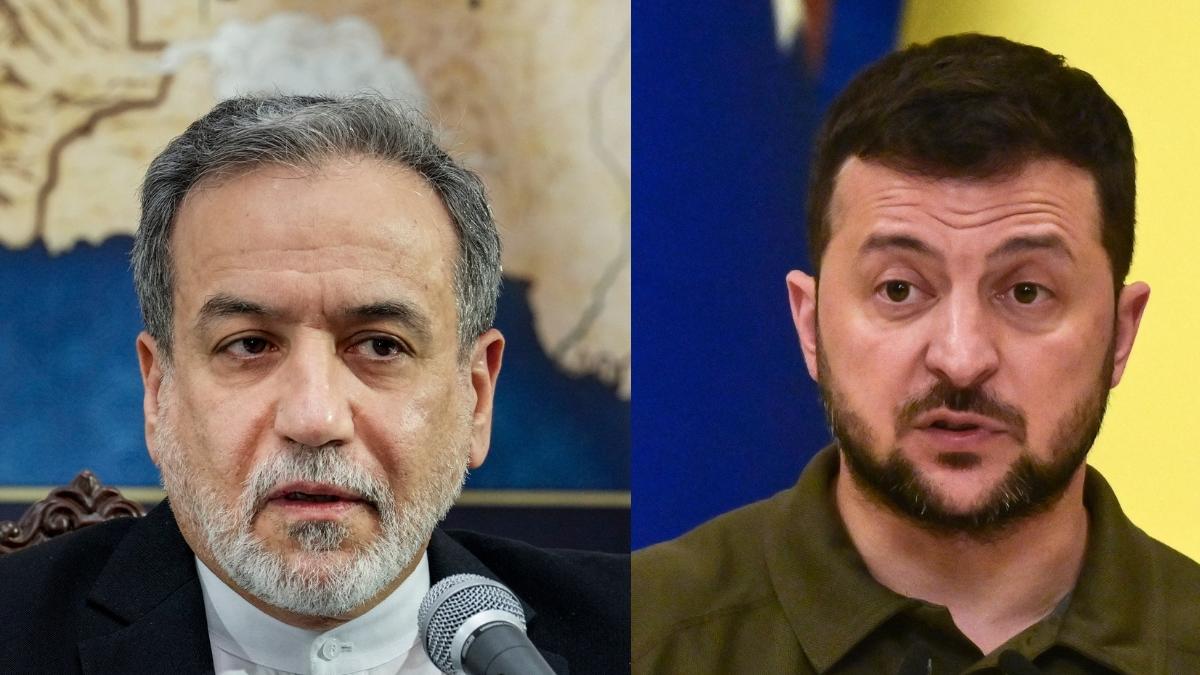
Ukraine, for its part, has publicly acknowledged conducting long‑range strikes in the Caspian Sea against vessels it says were transporting military cargo for Moscow, though it stopped short of confirming that the Iranian‑flagged ship was among those targeted.
Iran’s diplomatic and political response
Araghchi took to X within hours of the incident, directly blaming President Volodymyr Zelenskyy and accusing Kyiv of acting “at Israel’s behest to drag Europe into its war.” He framed the attack as a “blatant UN Charter violation” and promised a response.
"Zelenskyy has attacked an Iranian commercial vessel, killing a sailor. A blatant UN Charter violation done at Israel’s behest to drag Europe into its war,"
Abbas Araghchi, Iranian Foreign Minister, via X – reported by National Herald India
The minister said the issue was raised in separate phone calls with European Union foreign policy chief Kaja Kallas and Russian Foreign Minister Sergei Lavrov, underscoring Tehran’s attempt to enlist broader diplomatic support.
In Tehran, the reaction rippled beyond the foreign ministry. Deputy Parliament Speaker Ali Nikzad warned that “any location used as a launching point for aggression against our country will undoubtedly be considered a legitimate target” and cautioned Ukraine, Britain and Bulgaria against supporting U.S. Actions. Meanwhile, Ebrahim Azizi, head of the parliament’s National Security Commission, posted on X that “any attack on Iran always comes with a cost… Ukraine, too, may soon come to understand that Iran does not let actions go unanswered.”
Russia’s response, conveyed through Lavrov, echoed Tehran’s condemnation, characterising the strike as illegal and threatening vital trade routes that link Moscow and Tehran. The joint statement, reported by National Herald India, describes the incident as “dangerous adventurism.”
How the episode fits into the wider Iran‑U.S. Stalemate
The Caspian incident arrives as the United States has announced a temporary halt to its strikes against Iranian targets. Fox News reports that the pause, announced on July 26, follows two weeks of daily bombings focused on the Strait of Hormuz and Iranian air‑defence assets. Iranian officials have said they will suspend retaliatory actions “as long as the United States maintains its current pause,” a stance echoed by the Persian‑language army spokesman who described Iran’s strategy as “essentially retaliatory.”
Complicating matters, Houthi rebels aligned with Iran have intensified missile and drone strikes on Saudi oil facilities in the Red Sea, according to a live‑blog from Times of India. The resulting disruption has driven vessel traffic through the Bab el‑Mandeb to a multi‑month low and kept the Strait of Hormuz subdued, yet the strategic corridor remains a focal point of U.S.–Iran negotiations.
Timeline of key events
- July 25 – Iranian cargo ship hit in the Caspian Sea; one sailor killed, three injured.
- July 25 evening – Araghchi posts accusation against Zelenskyy on X.
- July 26 – Tehran summons Ukraine’s chargé d’affaires; calls the strike “hostile and criminal.”
- July 26 – U.S. Announces pause to strikes on Iran; talks on the Strait of Hormuz continue.
- July 27 – Iranian parliament officials repeat threats; U.S. And regional actors watch for escalation.
Implications for regional shipping and energy markets
While the Caspian Sea has traditionally been a peripheral theatre, the attack highlights how the Russia‑Ukraine war can spill into adjacent waters that are vital for Eurasian trade. The route linking Russia’s Astrakhan to Iran’s Anzali carries steel and other commodities; any prolonged disruption could force shippers to reroute through the Black Sea or overland corridors, raising transport costs.
Analysts cited in the Times of India live‑blog warn that renewed hostilities around the Caspian or the Hormuz corridor would “trigger fresh volatility in global crude prices.” Already, Brent and U.S. WTI prices have slipped following the U.S. Strike pause, but any Iranian retaliation could reverse that trend.
What to watch next
- Whether Iran issues a formal declaration of retaliation and, if so, the target — military assets, commercial vessels, or satellite facilities.
- Responses from Ukraine, including any diplomatic protest or clarification of the vessel’s status.
- Progress in Omani‑mediated talks over a “service fee” for the Strait of Hormuz, covered in our ongoing report.
- Continuation of the U.S. Strike pause and any UN Security Council deliberations, as highlighted in our special briefing.
- Further developments in the Red Sea, where Houthi attacks remain a flashpoint for Iranian‑aligned actions.
With Tehran’s warning now on public record, the Caspian Sea incident has transformed from a localized maritime mishap into a potential catalyst for a broader clash that could involve Ukraine, Russia, the United States and their respective allies. The coming days will test whether diplomatic channels — already active in Geneva, Doha and Omani‑led talks, can contain a spiral that threatens some of the world’s most strategic shipping lanes.
How significant is this development?
Contribute your assessment to the aggregated reader sentiment ledger.
Frequently Asked Questions
Key questions answered in this reportWhat is the key development in: Iran vows retaliation after alleged Ukrainian strike on Caspian cargo ship?
Iran has vowed retaliation following a strike on an Iranian-flagged cargo ship in the Caspian Sea that killed one sailor and injured three others.
Why is this World development significant for the UK?
This report covers critical events in our World beat. Independent reporting monitors related UK statements, regulatory shifts, and public responses as further verified details emerge.
How was this reporting corroborated and verified?
Newsarchy UK compiles and cross-references reporting from primary reporting from timesofindia.indiatimes.com and cross-checked wire reports. All coverage adheres to published editorial standards.
When was this report published?
This briefing was published on July 27, 2026 and is permanently cataloged in the Newsarchy UK World archives.