Japan protests new UN map over Kuril Islands depiction
Japan has formally asked for revisions to a newly adopted UN world map, arguing that its depiction of the Kuril Islands creates territorial misconceptions.
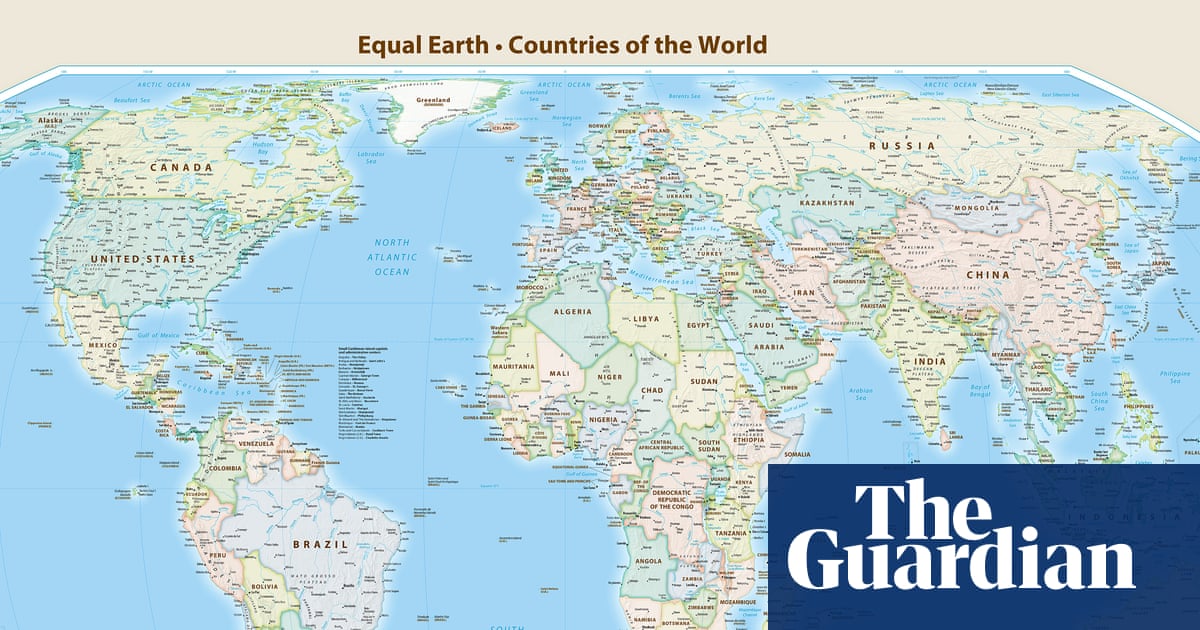
Japan has formally asked for revisions to a newly adopted United Nations world map, raising concerns that its cartographic depiction creates the misconception that disputed territory in the Kuril Islands belongs to Russia. The controversy surrounds the adoption of the Equal Earth projection, an alternative to traditional Mercator maps designed to present a more accurate representation of continental landmasses by enlarging Africa while shrinking Europe and North America. While Tokyo joined in supporting the broader resolution at the UN General Assembly, the visual representation of the islands—known in Japan as the Northern Territories—has triggered swift diplomatic pushback and highlights broader geopolitical tensions across international borders detailed further in reporting from Thenews.
According to The Guardian, the UN General Assembly vote took place on a Friday. Japanese government spokesperson Minoru Kihara addressed reporters on Thursday, stating that the map contained a depiction contradicting the official stance of Tokyo. We lodged a protest with the map site’s operator through our diplomatic channel to demand the correction of this depiction,
Kihara said, as noted by The News. Kihara declined to specify exactly when the mapping issue was brought to the government's attention, but emphasized that Japan must stop geographic misconceptions from taking root internationally.
Media additions
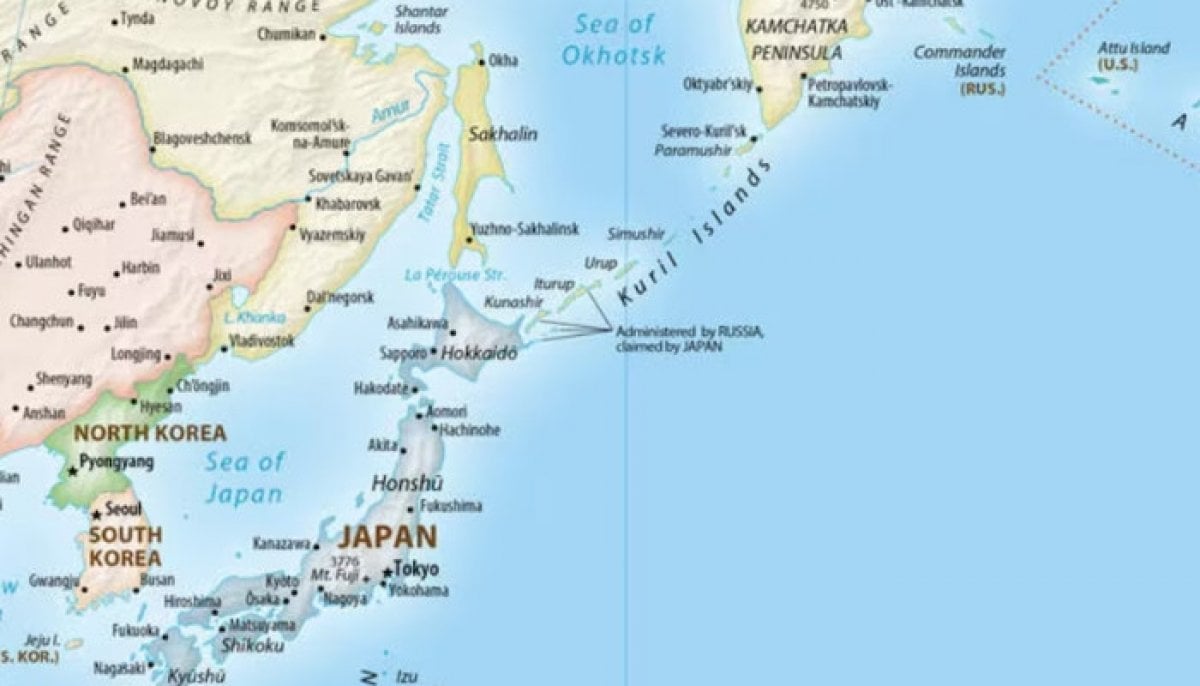
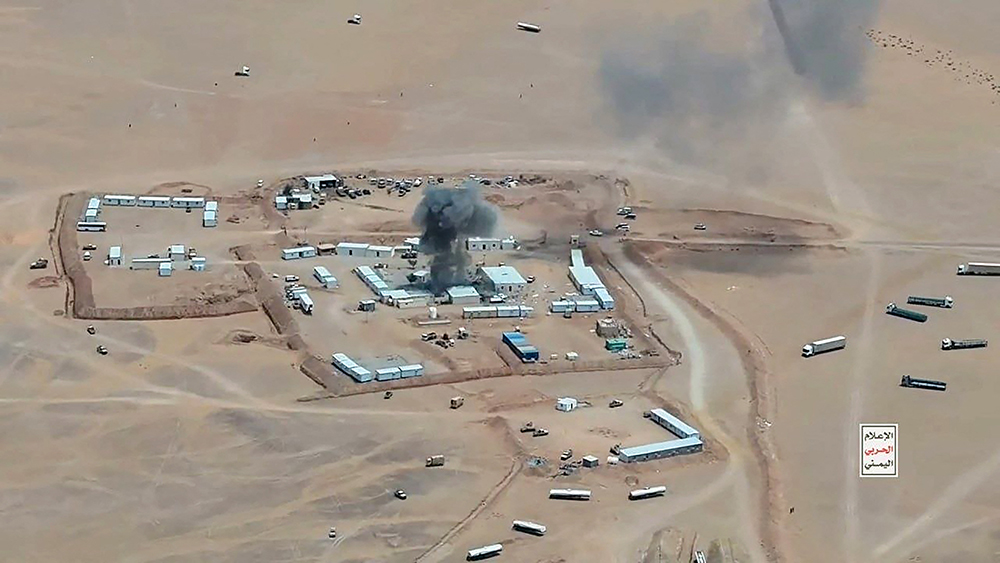
The disputed island chain has remained a core point of contention since former Soviet forces seized the territory in 1945 and subsequently expelled the local Japanese population. Bilateral relations deteriorated sharply last month when Russian President Vladimir Putin made a surprise visit to the disputed territory. Prime Minister Sanae Takaichi swiftly summoned the Russian ambassador, declaring that Putin's visit offended Japanese national sentiments and remained entirely unacceptable. Takaichi maintained that the islands constitute an inherent part of Japanese territory under both historical context and international law. In response, Moscow rejected the statements, describing them as politically inappropriate, insulting, and legally unfounded.
The cartographic dispute at the UN has also drawn objections from other member states regarding different territories. Ukraine abstained from the UN vote after warning that the map depicted occupied Crimea in a distinct color from the rest of the country, which Ukrainian representatives argued opened a dangerous precedent violating the UN Charter and international law. The United States also voiced condemnation over the wider geographic representation on the new map, which shrinks North America alongside Europe while expanding Africa.
| Entity / State | Action Taken at UN Vote | Core Grievance / Reason for Objection |
|---|---|---|
| Japan | Supported resolution | Kuril Islands (Northern Territories) depicted in the same color as Russia, risking territorial misconceptions. |
| Ukraine | Abstained | Occupied Crimea shown in a different color from the rest of the country, violating international law. |
| United States | Condemned resolution | Objected to the overall Equal Earth projection scaling, which shrinks North America and Europe. |
The mapping controversy unfolds against a backdrop of wider global friction and territorial disputes, touching regions from East Asia to South America, where nations continue to contest historical borders and maritime boundaries as seen in related international coverage from New Vision.