Japan record rain kills eight people and strands thousands at Tokyo airport
Unprecedented downpours have paralyzed eastern Japan, killing at least eight people and stranding thousands of travelers at Narita international airport during the busy holiday travel season.

- Core Development: Unprecedented downpours have paralyzed eastern Japan, killing at least eight people and stranding thousands of travelers at Narita international airport during the busy holiday travel season.
- Beat Context: Categorized under World with independent corroboration.
- Reporting Depth: 3 minute analytical read synthesized from verified newsroom sources.
Japan record rain kills eight people and strands thousands at Tokyo airport. Torrential downpours have paralyzed eastern Japan, leaving at least eight people dead and stranding thousands of travellers at Narita international airport during one of the busiest holiday periods of the year. The extreme weather struck Chiba prefecture, east of Tokyo, where unprecedented precipitation flooded homes, overwhelmed drainage systems, and shut down major transport links.
The severe flooding arrived during the peak of Japan's Bon Buddhist holiday travel week. The Japan Meteorological Agency recorded historic rainfall totals, with some areas receiving more than 300mm of rain in a 24-hour window, surpassing previous benchmarks set in October 2013. Chiba’s Chuo Ward received triple its average monthly August rainfall in just half a day.
Media additions
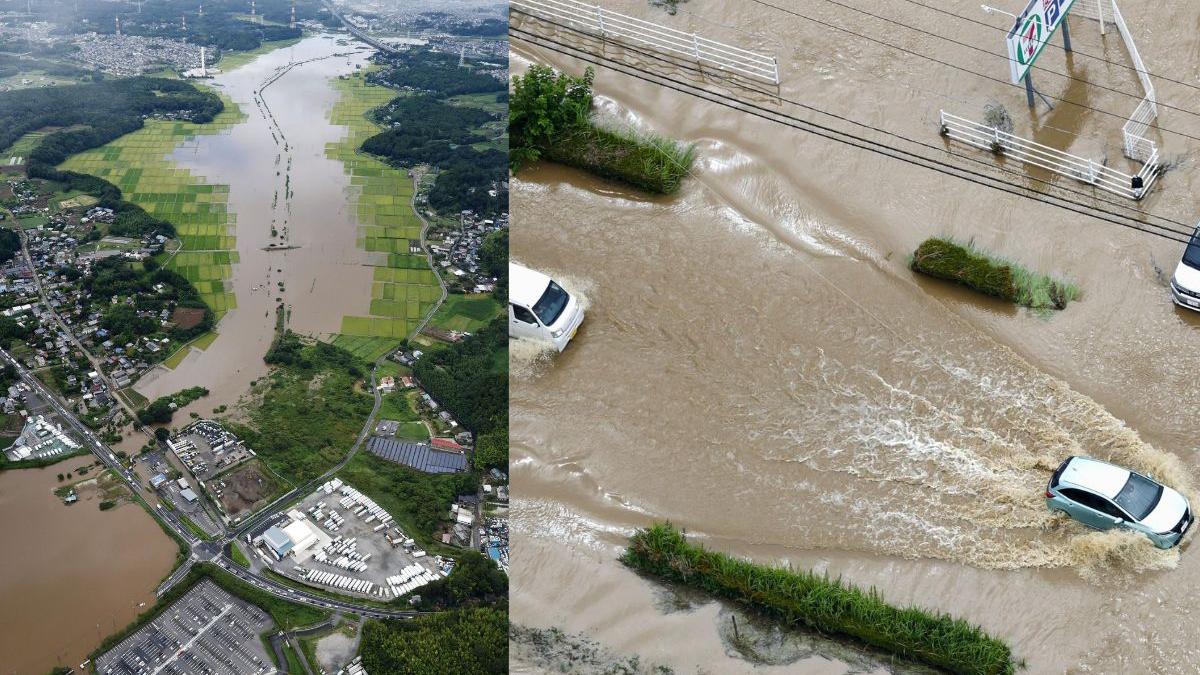
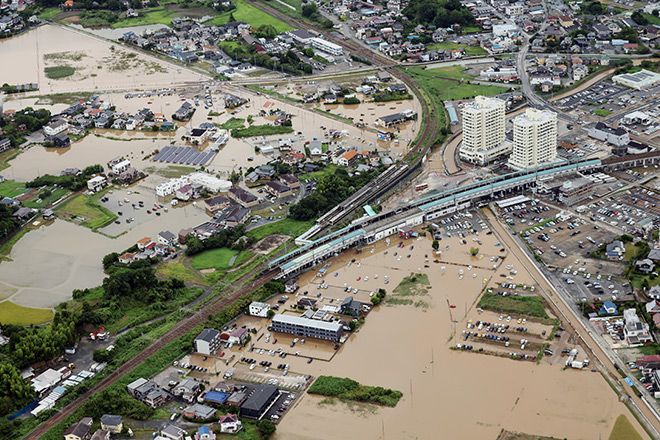
The human toll mounted quickly as rising waters trapped motorists and pedestrians. Victims included a man found floating on a flooded road in Ichikawa, a 66-year-old woman whose vehicle became submerged in Sakura city, and several others discovered in similar conditions across Kashiwa, Yachiyo, and Chiba. Emergency crews deployed underwater teams to search submerged underpasses, while members of the Japan Ground Self-Defense Force were dispatched to assist with rescue operations and transport stranded residents.
With expressways closed by landslides and rail lines suspended by East Japan Railway Co., Keisei Electric Railway Co., and other operators, transport into and out of Tokyo ground to a halt. Approximately 7,000 passengers found themselves unable to leave Narita airport despite flights continuing to operate largely as scheduled. Terminal floors turned into makeshift sleeping quarters as staff distributed water, snacks, blankets, and sleeping bags to weary travellers. Similar congestion forced thousands to shelter at regional stations, local government offices, and convention centres.
Utility provider TEPCO Power Grid reported widespread blackouts affecting tens of thousands of households at the height of the storm, though power restoration efforts reduced outages by Friday morning. More than 80 homes were flooded, and hundreds of residents evacuated under official advisories.
The disaster unfolded against a backdrop of broader seasonal extremes across Japan, which had recently endured a run of typhoons and extreme heat that killed three lions at a Tokyo zoo and brought the first recorded “cruelly hot day”. Meanwhile, similar weather shocks struck other parts of the world during the same week, including historic droughts and heatwaves affecting hundreds of millions of people across Europe, severe wildfires in the United Kingdom and Croatia, and low water levels on the Danube River that forced nuclear reactor adjustments in Romania.
What happens next
- The Japan Meteorological Agency has forecast additional rainfall later in the day on Friday, maintaining vigilance over swollen rivers and landslide risks across the affected municipalities.
- Transport operators are working to restore remaining suspended rail lines, while partially resumed services continue to clear the massive backlog of stranded passengers at Narita and local stations.
- Authorities and utility workers continue monitoring weakened infrastructure and power grids as communities begin assessing property damage.
Japanese prime minister Sanae Takaichi noted that heavy rain disasters have become increasingly frequent in recent years, vowing that authorities will remain vigilant to protect public safety. Scientists point out that a warmer atmosphere holds more moisture, making the heaviest downpours heavier and compounding vulnerabilities across densely populated regions.
How significant is this development?
Contribute your assessment to the aggregated reader sentiment ledger.
Frequently Asked Questions
Key questions answered in this reportWhat is the key development in: Japan record rain kills eight people and strands thousands at Tokyo airport?
Unprecedented downpours have paralyzed eastern Japan, killing at least eight people and stranding thousands of travelers at Narita international airport during the busy holiday travel season.
Why is this World development significant for the UK?
This report covers critical events in our World beat. Independent reporting monitors related UK statements, regulatory shifts, and public responses as further verified details emerge.
How was this reporting corroborated and verified?
Newsarchy UK compiles and cross-references reporting from primary reporting from ibtimes.co.uk and cross-checked wire reports. All coverage adheres to published editorial standards.
When was this report published?
This briefing was published on August 14, 2026 and is permanently cataloged in the Newsarchy UK World archives.