Judge Rejects DOJ Bid to Set Aside 20,000 California Ballots
A federal judge denied the Justice Department's emergency request to segregate 20,000 California mail-in ballots, allowing officials to continue counting votes.
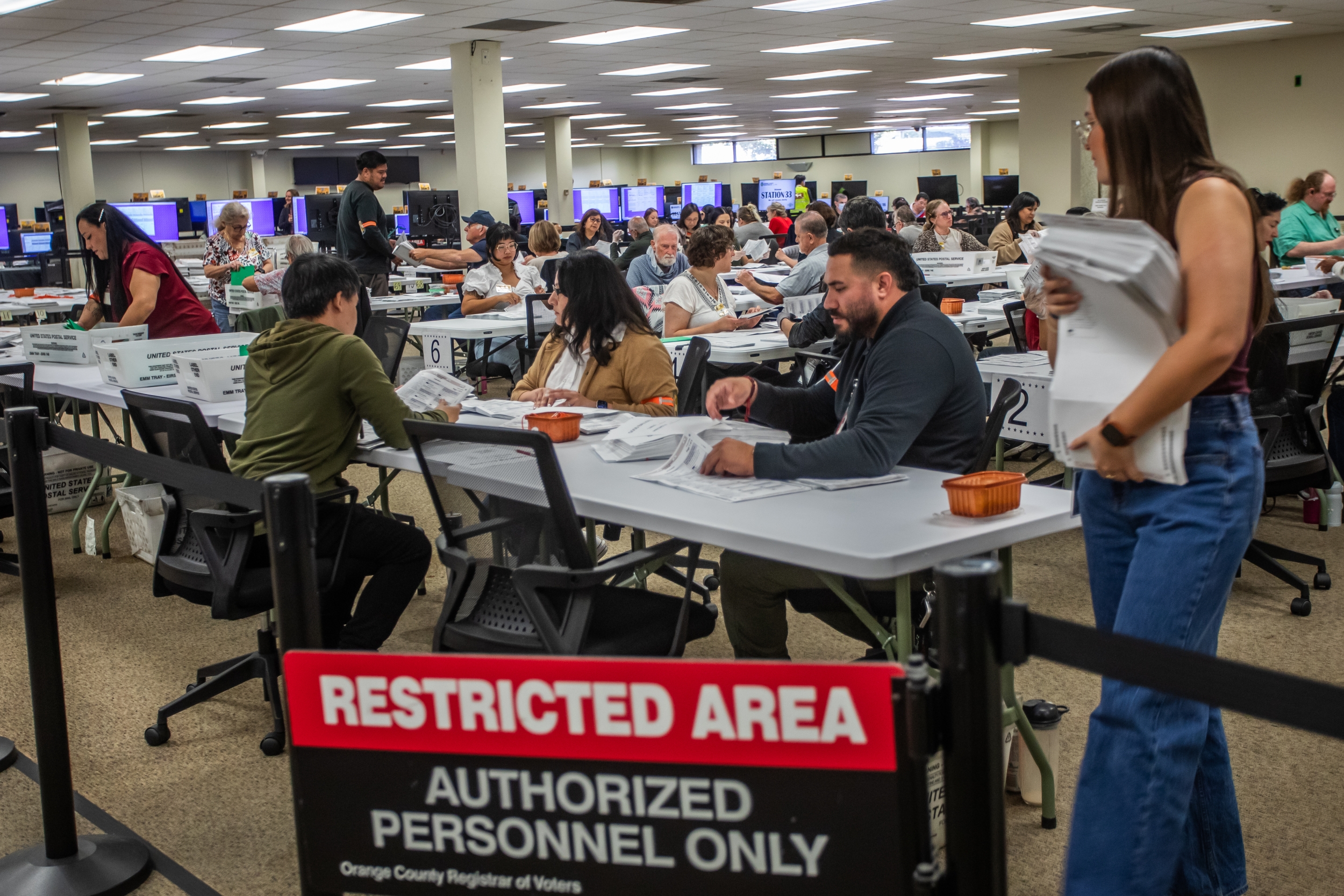
- Core Development: A federal judge denied the Justice Department's emergency request to segregate 20,000 California mail-in ballots, allowing officials to continue counting votes.
- Beat Context: Categorized under World with independent corroboration.
- Reporting Depth: 3 minute analytical read synthesized from verified newsroom sources.
A federal judge in California delivered a scathing rebuff to the administration's emergency bid to alter the state's ongoing midterm elections, ruling that halting the count for tens of thousands of flagged voters on the eve of the ballot would destabilize public trust and disenfranchise eligible citizens. The decision allows election officials to continue processing and tabulating votes under established state rules while the underlying federal lawsuit proceeds.
The core of the dispute centered on a list of more than 20,000 registered voters compiled by federal agencies who cross-referenced state voter files with internal federal databases. According to Bloomberg Law News, the Justice Department demanded that these specific ballots be set aside uncounted until individual citizenship statuses could be verified. State authorities countered that the demand arrived too late, noting that millions of ballots had already been distributed, returned, and processed under universal mail-in procedures.
Media additions


In a detailed opinion, U.S. District Judge David O. Carter concluded that the government's intervention strategy violates longstanding constitutional principles mandating that states have control over their elections.
He further cautioned that segregating the disputed ballots based on unverified allegations would wreak havoc and disrupt the election that is already underway, create a chilling effect on election workers and voters alike, and discount the votes of United States citizens,
according to Ground reporting.
| Legal Milestone | Entity / Court | Action Taken |
|---|---|---|
| District Court Ruling | U.S. District Court for the Central District of California | Denied the temporary restraining order requested by federal prosecutors. |
| Appellate Review | 9th Circuit Court of Appeals | Previously declined to intervene before the lower court ruling, split 2-1. |
| State Defense | California Attorney General & Local Officials | Defended universal mail-in procedures and challenged the provenance of federal lists. |
The litigation highlights stark differences in how federal prosecutors and state officials view election integrity measures. First Assistant U.S. Attorney Bill Essayli defended the administration's legal actions, arguing that segregating questionable ballots serves to preserve the status quo and prevent the infection of our election with illegal ballots,
as reported by Scrippsnews. Federal attorneys asserted they possessed high confidence in the data-matching methods used to flag potential noncitizens.
Conversely, state attorneys and voting rights advocates strongly challenged the reliability of those lists. California Deputy Attorney General Michael Cohen argued in court filings that federal officials refused to disclose how the source data was gathered or processed. Local registrars across multiple counties noted that attempting to isolate these specific voter files on short notice would require hundreds of hours of manual labor, creating administrative bottlenecks that could inadvertently disenfranchise lawful voters.
The federal district court decision follows a sequence of legal skirmishes, including an earlier refusal by a three-judge panel of the 9th Circuit Court of Appeals to bypass the trial court. That appellate panel included Judges Mark J. Bennett and Gabriel P. Sanchez, who noted in separate opinions that the executive branch lacks constitutional authority to unilaterally alter state voting procedures so close to an election date.
As the legal battle unfolds, readers seeking broader context on judicial rulings and international developments can consult World coverage. Analysts anticipate further emergency appeals from federal prosecutors seeking to escalate the case before votes are fully tabulated and certified.
What happens next depends heavily on the upcoming appellate response. The Justice Department has signalled its intention to seek an immediate emergency order reversing the district court's decision in the higher court, while California election officials maintain their focus on processing incoming mail ballots ahead of the statutory certification deadline.
How significant is this development?
Contribute your assessment to the aggregated reader sentiment ledger.
Frequently Asked Questions
Key questions answered in this reportWhat is the key development in: Judge Rejects DOJ Bid to Set Aside 20,000 California Ballots?
A federal judge denied the Justice Department's emergency request to segregate 20,000 California mail-in ballots, allowing officials to continue counting votes.
Why is this World development significant for the UK?
This report covers critical events in our World beat. Independent reporting monitors related UK statements, regulatory shifts, and public responses as further verified details emerge.
How was this reporting corroborated and verified?
Newsarchy UK compiles and cross-references reporting from primary reporting from Los Angeles Times and cross-checked wire reports. All coverage adheres to published editorial standards.
When was this report published?
This briefing was published on October 29, 2026 and is permanently cataloged in the Newsarchy UK World archives.