ICC chief prosecutor Karim Khan removed over sexual misconduct claims
The Assembly of State Parties has officially ousted Karim Khan as ICC chief prosecutor after a disciplinary investigation into sexual misconduct allegations.

The Assembly of State Parties (ASP) of the International Criminal Court (ICC) voted on Friday 24 July 2026 to oust British barrister Karim Khan, marking the first time the court has removed its chief prosecutor. The decision comes after a disciplinary process that found Khan had committed “serious misconduct and serious breach of duty” in relation to sexual‑misconduct allegations made by a female aide.
By a large majority of the court’s 125 member states, Khan was stripped of his mandate. The vote was held in a closed‑door session at the United Nations headquarters in New York, several hours ahead of schedule after a motion from Sierra Leone to make removal harder was defeated.
Media additions
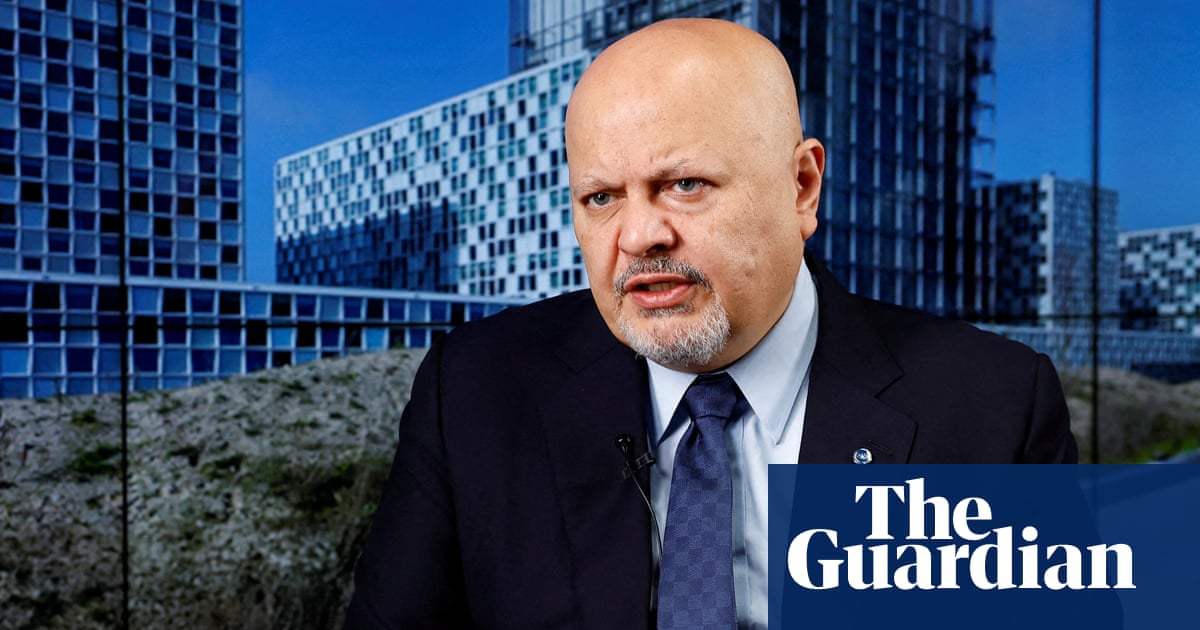
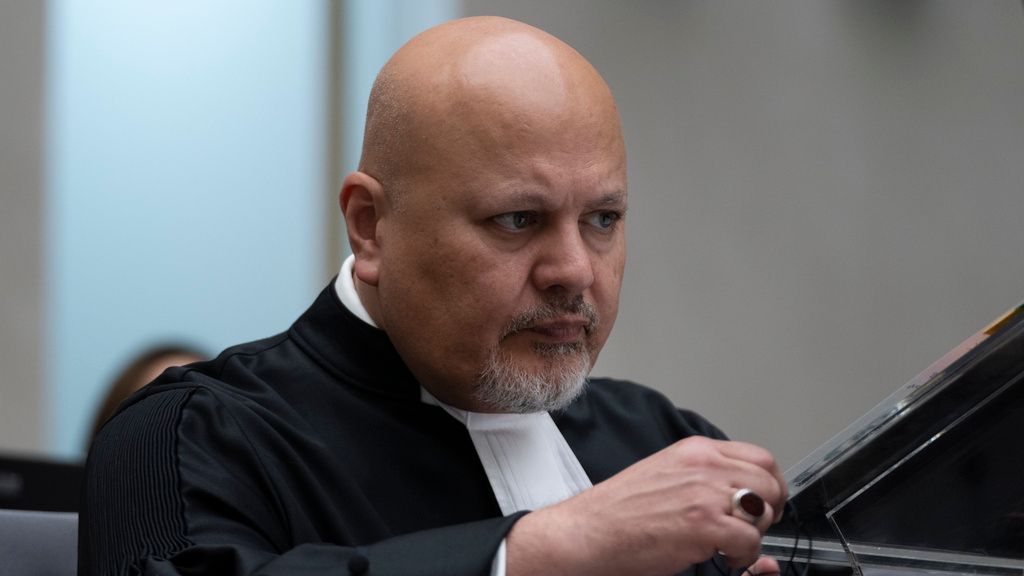
Khan had been temporarily suspended in June 2026 after the ICC’s executive committee concluded he had engaged in a sexual relationship with the aide and had tried to obstruct her from pursuing the complaint. Khan has consistently denied any wrongdoing, calling the findings “unfair” and promising to “challenge the lawfulness and fairness of the decision through all available legal mechanisms”
.“Khan’s removal was determined by a process in which he was never given a fair opportunity to be heard.”
Tayab Ali, lawyer, via The Guardian
The allegations first emerged in 2024 when the aide approached internal staff channels. The complaint was later taken up by a UN watchdog, a fact‑finding panel and an executive committee report, all of which fed into the ASP’s final decision.
Reactions from governments and experts
Norway’s deputy foreign minister Andreas Motzfeldt Kravik said the conduct “constituted sexual harassment and abuse of power” and affirmed his country’s vote for removal. The Netherlands, the host state of the court, also voted in favour; foreign minister Tom Berendsen noted that “the balance of power within the ASP is still evolving, but most contracting parties appear aligned with the recommendation of the ASP Office.”
Israel’s foreign minister Gideon Sa’ar welcomed the outcome, arguing that Khan had tried to “deflect from the serious misconduct he feared would be revealed” by issuing arrest warrants against Israeli leaders. “The long‑delayed removal … has exposed the moral bankruptcy of a corrupt prosecutor,” Sa’ar said in a statement via I24news.
“Karim Khan believed that by launching a political witch‑hunt against Israel and issuing a politically motivated arrest warrant against Prime Minister Netanyahu, the world would ignore the grave sexual misconduct allegations against him. He was wrong.”
Danny Danon, Israel’s ambassador to the United Nations, via AP
Scholars observing the case point to the intertwining of sexual‑misconduct allegations with the court’s high‑profile prosecutions. Utrecht University researcher Iva Vukusic told the AP that “political considerations have been folded into this, especially as it is the first time a prosecutor has pursued warrants against a Western ally.”
Impact on outstanding warrants
The removal does not automatically affect the ICC’s arrest warrants for Israeli Prime Minister Benjamin Netanyahu and former defence minister Yoav Gallant, issued in November 2024 for alleged war crimes and crimes against humanity. Only the ICC judges can rescind those warrants, and they have so far signalled no intention to do so.
During Khan’s tenure, the ICC also issued warrants for Russian President Vladimir Putin, further raising the court’s profile and attracting criticism from powerful states. The court’s prosecution division, comprising roughly 400 staff, has been “left bruised by a protracted scandal and convoluted process,” according to the Guardian.
Timeline of the disciplinary saga
- 2024 – A female aide files a sexual‑misconduct complaint against Khan.
- June 2026 – The ICC’s executive committee suspends Khan pending investigation.
- July 2026 – The ASP convenes in New York; a motion by Sierra Leone to protect Khan fails.
- 24 July 2026 – 82 of 125 member states vote to remove Khan; 13 oppose, 11 abstain.
The ICC now faces the dual task of restoring confidence in its leadership while navigating a hostile geopolitical environment.


