US Justice Dept loses bid to block California ballots
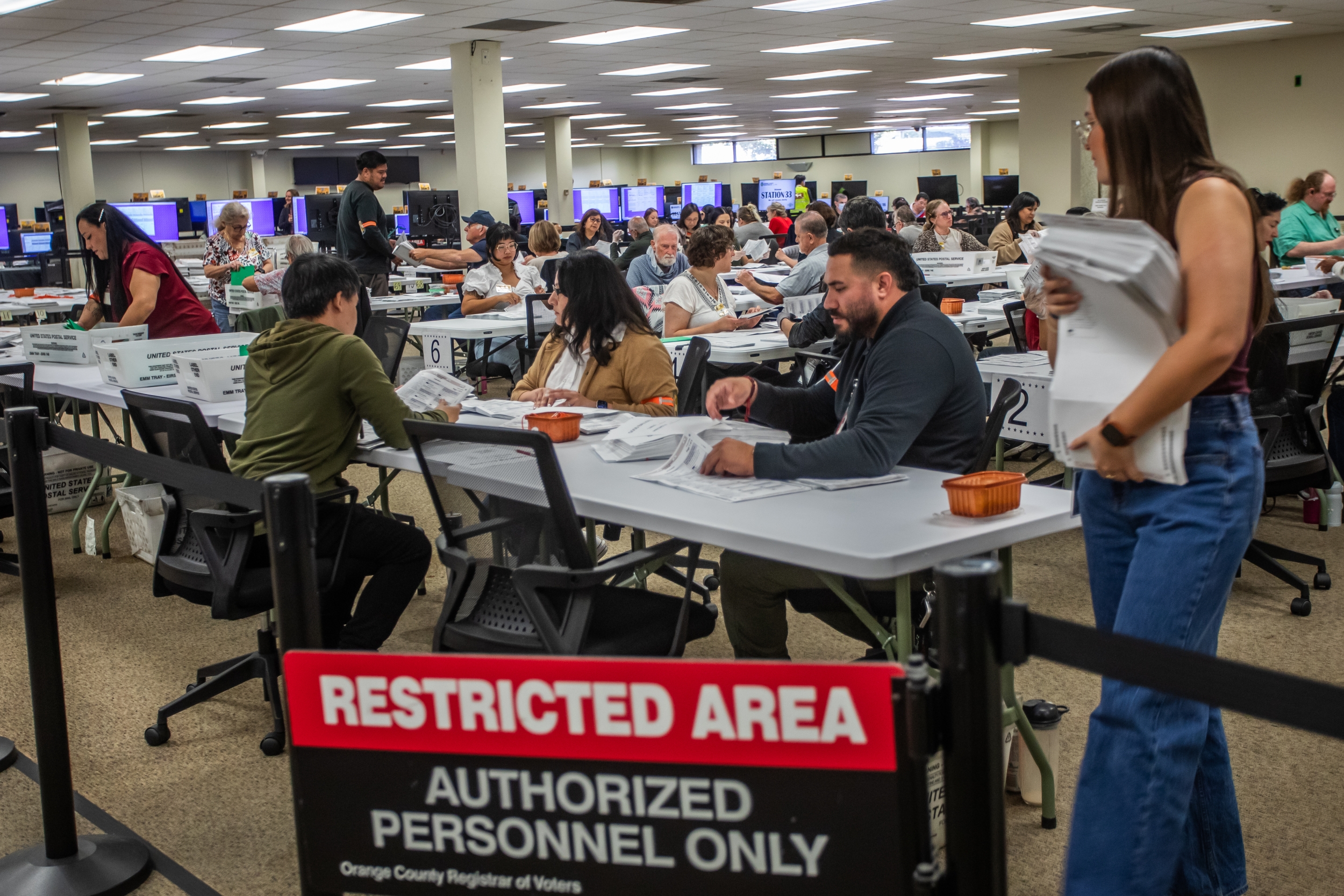
A federal judge refused to block California from counting mail-in ballots from thousands of voters flagged by federal authorities, delivering a sharp rebuke to the administration.

- Core Development: A federal judge refused to block California from counting mail-in ballots from thousands of voters flagged by federal authorities, delivering a sharp rebuke to the administration.
- Beat Context: Categorized under World with independent corroboration.
- Reporting Depth: 3 minute analytical read synthesized from verified newsroom sources.
A federal judge delivered a sharp rebuke to the Trump administration by refusing to block election officials from counting mail ballots submitted by tens of thousands of registered voters whose citizenship has been challenged by federal authorities. The ruling on Wednesday, 28 October 2026, removes an immediate barrier to ongoing voting in the nation's most populous state as the world watches the closely contested midterm elections.
US District Judge David Carter issued the ruling in Los Angeles federal court following a multi-hour hearing held on Tuesday, 27 October 2026. The Justice Department had sought a temporary restraining order to force state and local officials to set aside ballots from more than 20,000 individuals flagged as likely noncitizens. According to 104.1 WIKY, the lawsuit was filed by the administration on 15 October 2026 as a rare pre-election intervention into state-administered voting procedures.
Media additions
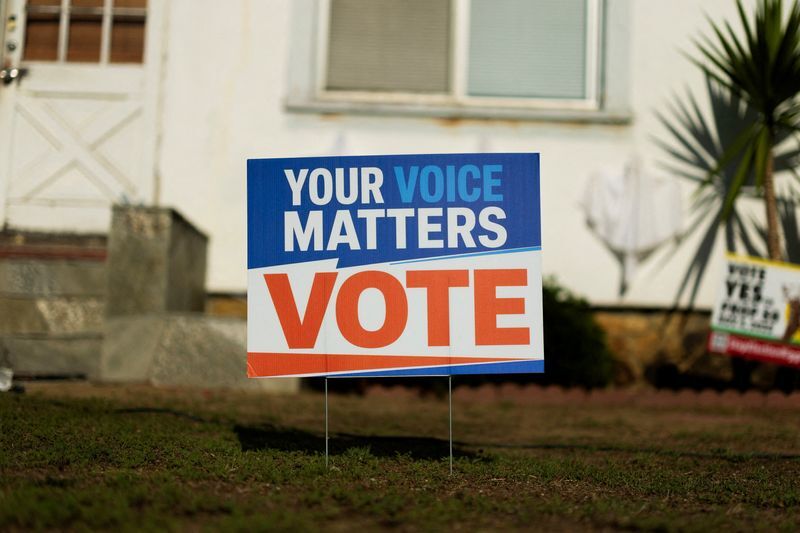

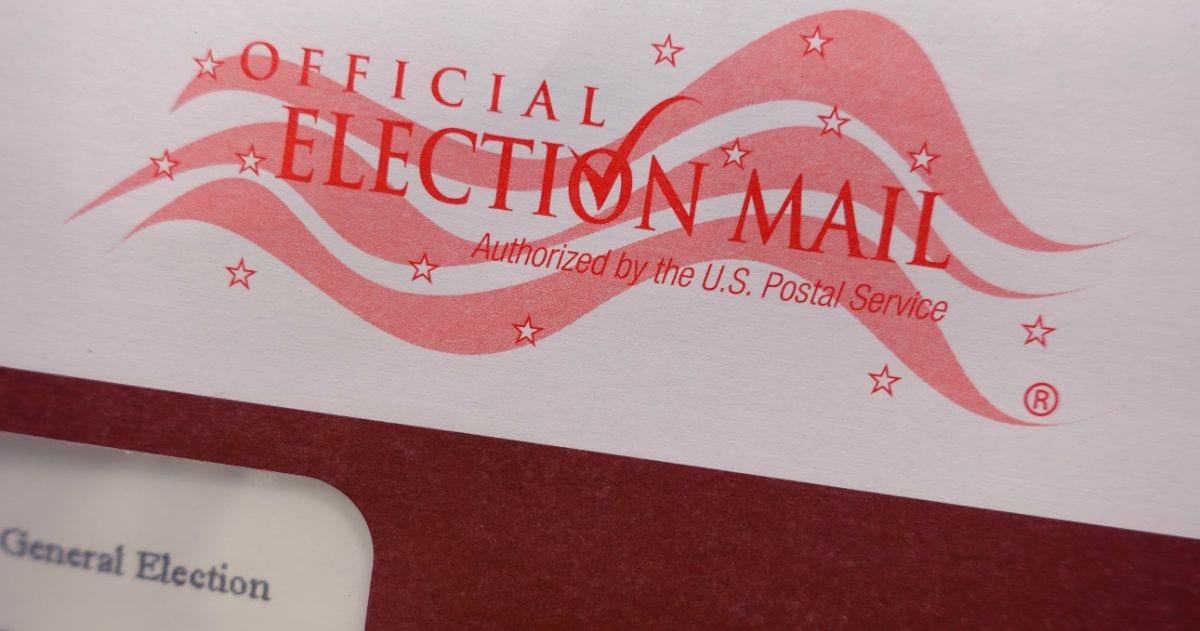
In a blistering opinion, Judge Carter criticized the federal government's eleventh-hour maneuver. He wrote that never before in American history had the executive branch sought to coerce state and local governments on the eve of an election to abandon constitutional election procedures and bend to executive will, as reported by the Los Angeles Times. Carter warned that granting the request would wreak havoc and disrupt the election that is already underway
, while risking the disenfranchisement of legitimate American voters.
The legal battle centers on a voter list compiled by the Justice Department after purchasing state registration records and cross-referencing them with law enforcement and commercial databases. State officials and voting rights advocates countered that the data was suspect and inaccurate.
State leaders and election administrators welcomed the decision. California Governor Gavin Newsom praised the judiciary for standing up against executive overreach, while state Attorney General Rob Bonta vowed to continue defending local voting procedures. Los Angeles County Registrar-Recorder/County Clerk Dean Logan, named as a defendant alongside Secretary of State Shirley Weber, maintained that election integrity and the protection of eligible voters remain inseparable priorities.
Conversely, federal representatives defended the intervention. First Assistant US Attorney Bill Essayli argued that segregating the disputed ballots was necessary to maintain the status quo and protect against vote dilution. According to WMAR 2 News, Essayli maintained that the measure would not prevent eventual counting once citizenship status was verified. Following the adverse ruling, the Justice Department immediately filed a notice of appeal to the 9th US Circuit Court of Appeals.
| Jurisdiction | Voter Roll Scale | Federal Action | Judicial/State Response |
|---|---|---|---|
| California | 23 million registered voters | Requested temporary block on 20,000 flagged ballots | Rejected by District Judge Carter and 9th Circuit panel; appeal filed |
| Washington State | 5 million registered voters | Sent letters asking officials to withhold 400 ballots | Elected officials warned timing casts unfounded suspicion |
| Alaska | Unspecified active rolls | Sought to prevent certification if incumbent senator loses | State urged dismissal, noting distinct candidate labeling |
The California dispute is part of a broader nationwide strategy by the administration to challenge voting procedures in competitive jurisdictions. Internazionale reported that similar federal demands arose in Washington state regarding hundreds of voters, alongside separate legal maneuvering in Alaska concerning narrow Senate margins.
Observers note that the emergency appeal is likely to return to the same appellate panel that previously handled a related emergency request from the administration. That three-judge panel had previously declined to intervene before the district court ruling, though members of the majority expressed skepticism regarding executive authority over state-run elections.
As the legal appeals move forward, millions of ballots continue to be processed across California under existing state safeguards.
How significant is this development?
Contribute your assessment to the aggregated reader sentiment ledger.
Frequently Asked Questions
Key questions answered in this reportWhat is the key development in: US Justice Dept loses bid to block California ballots?
A federal judge refused to block California from counting mail-in ballots from thousands of voters flagged by federal authorities, delivering a sharp rebuke to the administration.
Why is this World development significant for the UK?
This report covers critical events in our World beat. Independent reporting monitors related UK statements, regulatory shifts, and public responses as further verified details emerge.
How was this reporting corroborated and verified?
Newsarchy UK compiles and cross-references reporting from primary reporting from Los Angeles Times and cross-checked wire reports. All coverage adheres to published editorial standards.
When was this report published?
This briefing was published on October 29, 2026 and is permanently cataloged in the Newsarchy UK World archives.