Kenya confirms second Ebola case, a close relative of first victim
Kenya has confirmed its second Ebola virus case in a close relative of the first victim, who tested positive while already in quarantine.

- Core Development: Kenya has confirmed its second Ebola virus case in a close relative of the first victim, who tested positive while already in quarantine.
- Beat Context: Categorized under World with independent corroboration.
- Reporting Depth: 4 minute analytical read synthesized from verified newsroom sources.
Kenya has confirmed a second case of Ebola virus disease, a 39‑year‑old man who was a close relative of the country’s first victim. The new case, detected while the patient was already in quarantine, has reinforced the view that transmission is occurring within a limited contact group but that the virus has not yet spread into the wider community. The development matters because it highlights the limits of current border‑screening procedures, the importance of early detection, and the potential for cross‑border spill‑over into neighbouring Somalia.
The first Kenyan victim, a 40‑year‑old man who had lived in the Democratic Republic of Congo (DRC) for seven years, died in Nairobi on 5 October. The Ministry of Health confirmed the death and announced the first confirmed case the following day.
Media additions
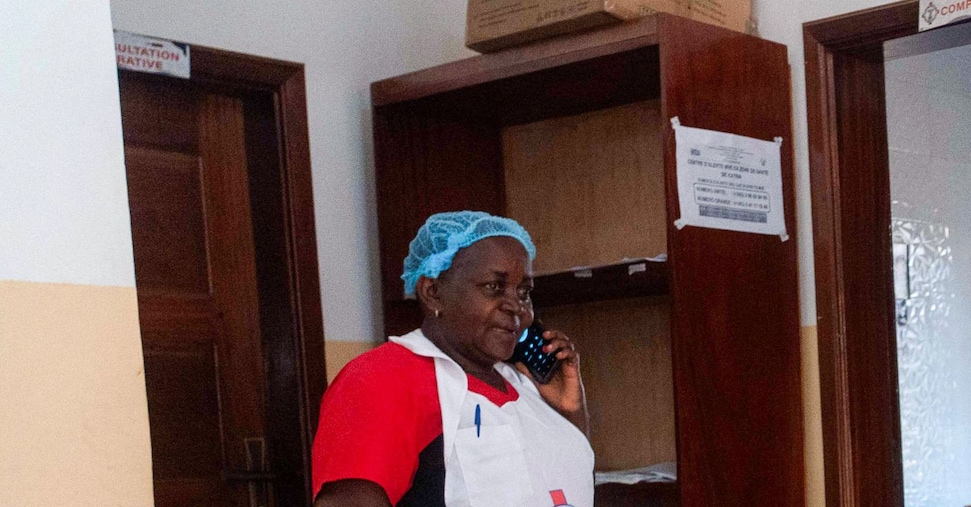

From that moment, Kenya launched an intense contact‑tracing effort. As the investigation progressed, the list expanded to 128 contacts. By 13 October, 113 of those contacts had been located; 108 were already in 21‑day quarantine in Kenya, and five were outside the country and had been notified under the International Health Regulations. Fifteen contacts remained unaccounted for, and teams were still searching for them.
On 13 October, a 39‑year‑old man, a close relative of the first victim, developed fever, fatigue and joint pain while he was in quarantine. Tests at the National Virology Reference Laboratory and the Kenya Medical Research Institute (KEMRI)–CDC laboratory returned positive for the Bundibugyo strain of Ebola. He was immediately isolated in a designated treatment centre where trained staff provide supportive care. The Ministry of Health said that early detection while the patient was already in quarantine “improves his chances of recovery” and limits the risk of further transmission.
Ministry officials have repeatedly stressed that the two cases are linked and that there is no evidence of community spread. In a statement, Director General Patrick Amoth said, “Both cases are linked, and there is no evidence of spread in the wider community.” He also urged the public to remain calm, stay vigilant and rely only on official Ministry of Health updates. The ministry announced that Kenya would remain open to travel, trade and public gatherings, and that no restrictions had been imposed.
The outbreak in the DRC, which began in May, is caused by the Bundibugyo species of Ebola. The virus is relatively rare, and there is no approved vaccine or treatment. According to the Africa Centres for Disease Control and Prevention, more than 4 000 people have died. The DRC outbreak has spread across seven provinces, with the eastern North Kivu province accounting for a large share of new cases.
Kenya’s first case and the second case highlight the challenges of border screening. Health officials suggest that medication may have masked his symptoms and that infrared thermometers measure surface rather than core temperature, potentially missing febrile cases.
Somalia, Kenya’s most important transit corridor, is closely watching the situation. The country has already quarantined ten Somali citizens who returned from the DRC through Uganda, and a Somali citizen who travelled with the Kenyan victim was quarantined at Forlanini Hospital in Mogadishu. The Somali health ministry has deployed a medical team to the airport to monitor flights arriving from African countries and has intensified its preparedness after the Kenyan case. A six‑ministry Ebola preparedness committee, chaired by Second Deputy Prime Minister Jibril Haji Abdi, was approved on 8 October. However, a baseline assessment conducted with WHO showed that Somali points of entry have only 27 % of core capacities, with airports at 20 %. The country lacks dedicated isolation areas, biosecure transport for suspected cases, and standard operating procedures for disease detection at airports.
In light of the new case, Somalia’s authorities have reiterated the need for robust screening and rapid response. The Cabinet has approved a national simulation exercise and a costed, time‑bound Ebola preparedness and response workplan funded by the Pandemic Fund, with WHO as the implementing agency. The WHO has warned that the ongoing outbreak in the DRC poses a risk of cross‑border transmission.
| Contact Category | Number |
|---|---|
| Total contacts identified | 128 |
| Contacts located | 113 |
| In quarantine (Kenya) | 108 |
| Outside Kenya | 5 |
| Missing contacts | 15 |
Kenya’s Ministry of Health has set up a single national command centre, guided by the Public Health (Declaration of Formidable Epidemic Disease) Order, 2026 and the Public Health (Ebola Disease) Rules, 2026. The WHO and Africa CDC are monitoring the situation closely and have been notified under the International Health Regulations.
The WHO and Africa CDC are monitoring the situation closely and have been notified under the International Health Regulations.
How significant is this development?
Contribute your assessment to the aggregated reader sentiment ledger.
Frequently Asked Questions
Key questions answered in this reportWhat is the key development in: Kenya confirms second Ebola case, a close relative of first victim?
Kenya has confirmed its second Ebola virus case in a close relative of the first victim, who tested positive while already in quarantine.
Why is this World development significant for the UK?
This report covers critical events in our World beat. Independent reporting monitors related UK statements, regulatory shifts, and public responses as further verified details emerge.
How was this reporting corroborated and verified?
Newsarchy UK compiles and cross-references reporting from primary reporting from FTL Somalia and cross-checked wire reports. All coverage adheres to published editorial standards.
When was this report published?
This briefing was published on October 14, 2026 and is permanently cataloged in the Newsarchy UK World archives.