World's oldest shipwreck found off coast of Turkey
Divers off the coast of Turkey have uncovered the world's oldest known shipwreck, a bronze-era cargo vessel carrying ancient pottery and stone anchors.

- Core Development: Divers off the coast of Turkey have uncovered the world's oldest known shipwreck, a bronze-era cargo vessel carrying ancient pottery and stone anchors.
- Beat Context: Categorized under World with independent corroboration.
- Reporting Depth: 4 minute analytical read synthesized from verified newsroom sources.
The world’s oldest known shipwreck has been uncovered off the coast of Turkey, a bronze‑era cargo vessel that sank between 4,400 and 4,700 years ago. The find, made on a slope 30 metres below water near Kekova Island, offers a rare glimpse into early Mediterranean trade and the material culture of peoples who lived at the same time the Great Pyramid was being built.
The wreck lies roughly 10 metres long and was a trade vessel that appears to have sailed from the eastern Mediterranean coast toward Troy or Crete. Because the wooden hull has not survived, archaeologists turned to the amphorae, whose distinctive two‑handled shape and ridge‑lined base match pottery from the Levant and Egypt that dates to the same period. The pottery’s design, according to Prof Hakan Öniz of Akdeniz University, is “definitely” Early Bronze Age.
Media additions

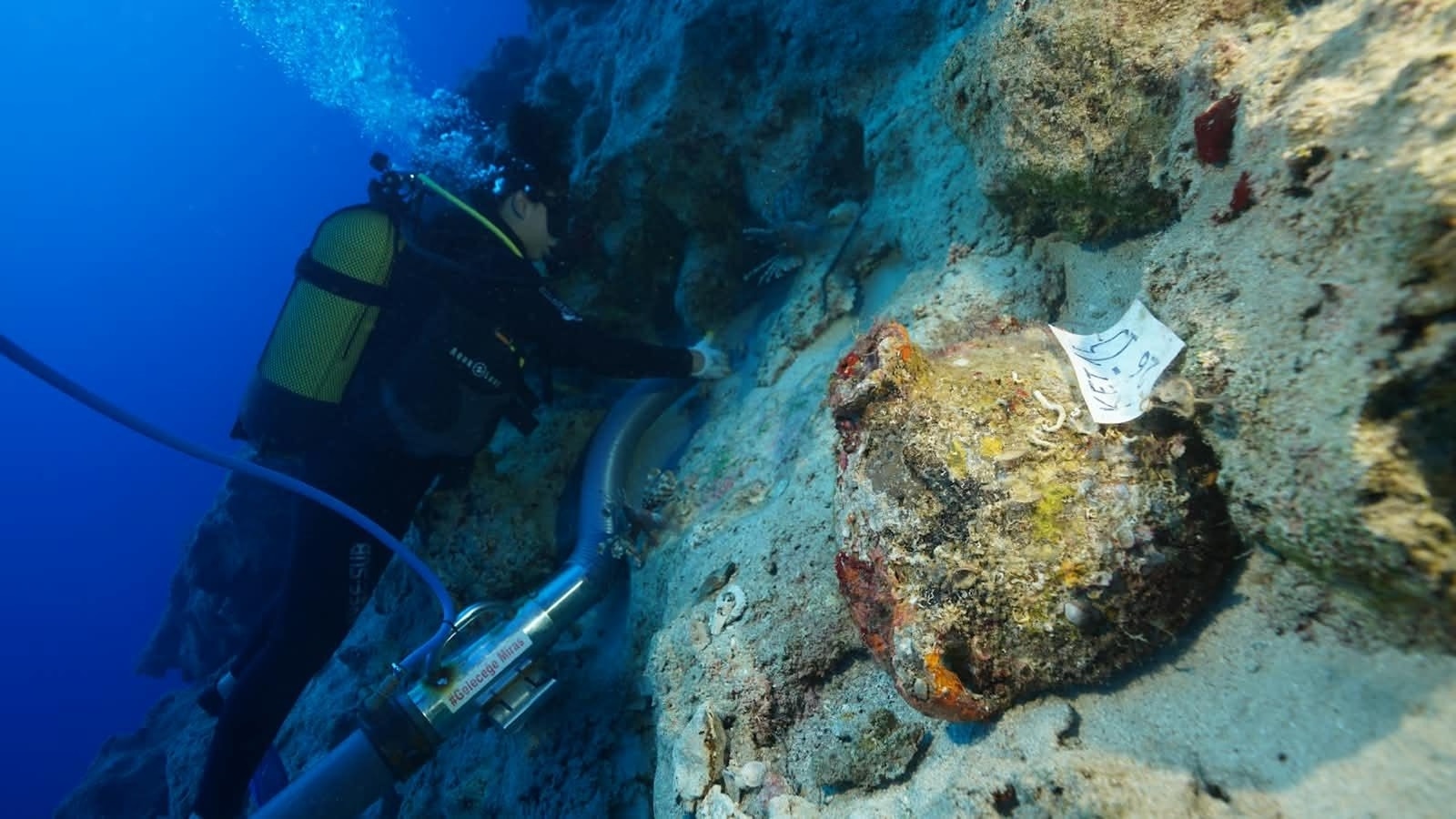
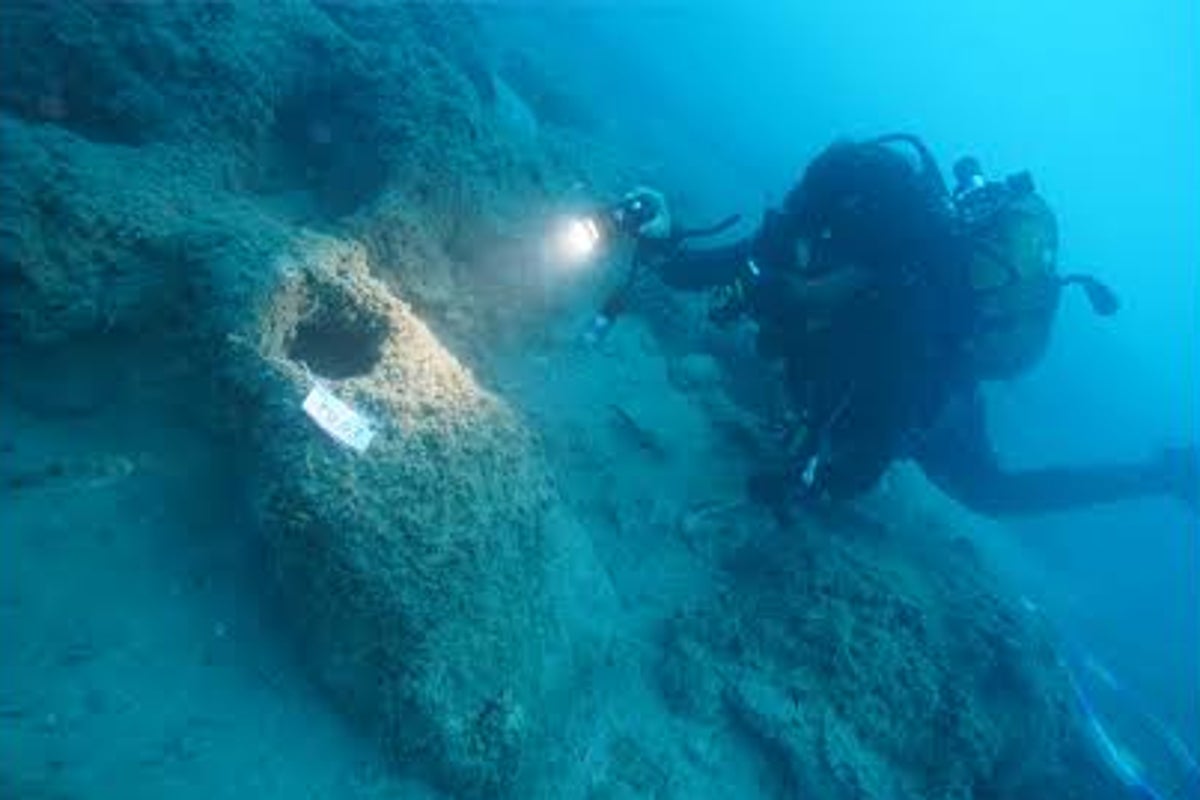
When divers first spotted the site four years ago, the amphorae seemed only a few centuries old. A later comparison with a publication on Egyptian archaeology revealed a match with amphorae found at the Giza pyramids, prompting a renewed focus on the site. The amphorae are believed to have been produced in workshops in the Jordan Valley, a region that today borders Israel and the West Bank.
Dr Karin Sowada of Macquarie University examined the pots after they were lifted to the surface. She noted that a viscous, glossy residue still filled many of the amphorae, a find that has sparked speculation that the jars may have carried olive oil, wine, or tree resins. Sowada also warned that the residue could be the result of later reuse of the vessels, as their large size would have made them suitable for multiple voyages.
In addition to the amphorae, the wreck includes three large stone anchors. The anchors resemble those found at Bronze‑Age sites in Minoan, Cypriot, and Anatolian contexts, indicating that similar anchoring technology was in use across the region.
| Shipwreck | Age Range | Location |
|---|---|---|
| Current discovery | 4,400‑4,700 years | Kekova, Turkey |
| Dokos, Greece | ~4,200 years | Aegean Sea |
| Black Sea, Bulgaria | ~2,400 years | Black Sea |
The Turkish Ministry of Culture has taken custody of the artifacts. Minister Mehmet Nuri Ersoy has announced that the recovered amphorae will be displayed in a new Mediterranean Underwater Archaeology Museum in Antalya when it opens in the coming months. The museum will showcase the ship’s cargo and the conservation work that has preserved the pots after millennia of submersion.
While the wreck’s wooden hull is gone, the cargo’s survival provides a unique “time capsule” that allows researchers to study the contents of a 4,000‑year‑old trade voyage. The amphorae’s design links the vessel to a network of early Mediterranean trade routes that stretched from the Levant to the Minoan civilisation in Crete.
For context, the discovery replaces the old record held by a 4,200‑year‑old wreck off the coast of Dokos, Greece. The new site also surpasses the previously oldest intact shipwreck, found in the Black Sea off Bulgaria, which dates to about 2,400 years.
What follows? The conservation team is currently working to identify the residues inside the amphorae, a process that could reveal the exact commodities that crossed ancient seas. Meanwhile, the Mediterranean Archaeology Association plans to publish a detailed report in the Journal of Maritime Archaeology, expanding on the vessel’s construction and the broader trade context of the Early Bronze Age.
Experts emphasise that the find is a milestone for maritime archaeology, offering tangible evidence of ancient seafaring and commerce. The next steps will involve detailed chemical analysis of the residues, a deeper dive into the ship’s construction techniques, and a comparative study of amphorae across the Mediterranean.
As the world’s oldest known shipwreck comes to light, the discovery underscores the enduring value of underwater sites in illuminating the distant past. The artifacts recovered from the wreck will soon be on display, inviting the public to witness a vessel that once carried goods across a sea that, more than four millennia ago, connected distant cultures in a fragile web of trade.
How significant is this development?
Contribute your assessment to the aggregated reader sentiment ledger.
Frequently Asked Questions
Key questions answered in this reportWhat is the key development in: World's oldest shipwreck found off coast of Turkey?
Divers off the coast of Turkey have uncovered the world's oldest known shipwreck, a bronze-era cargo vessel carrying ancient pottery and stone anchors.
Why is this World development significant for the UK?
This report covers critical events in our World beat. Independent reporting monitors related UK statements, regulatory shifts, and public responses as further verified details emerge.
How was this reporting corroborated and verified?
Newsarchy UK compiles and cross-references reporting from primary reporting from BBC and cross-checked wire reports. All coverage adheres to published editorial standards.
When was this report published?
This briefing was published on October 14, 2026 and is permanently cataloged in the Newsarchy UK World archives.