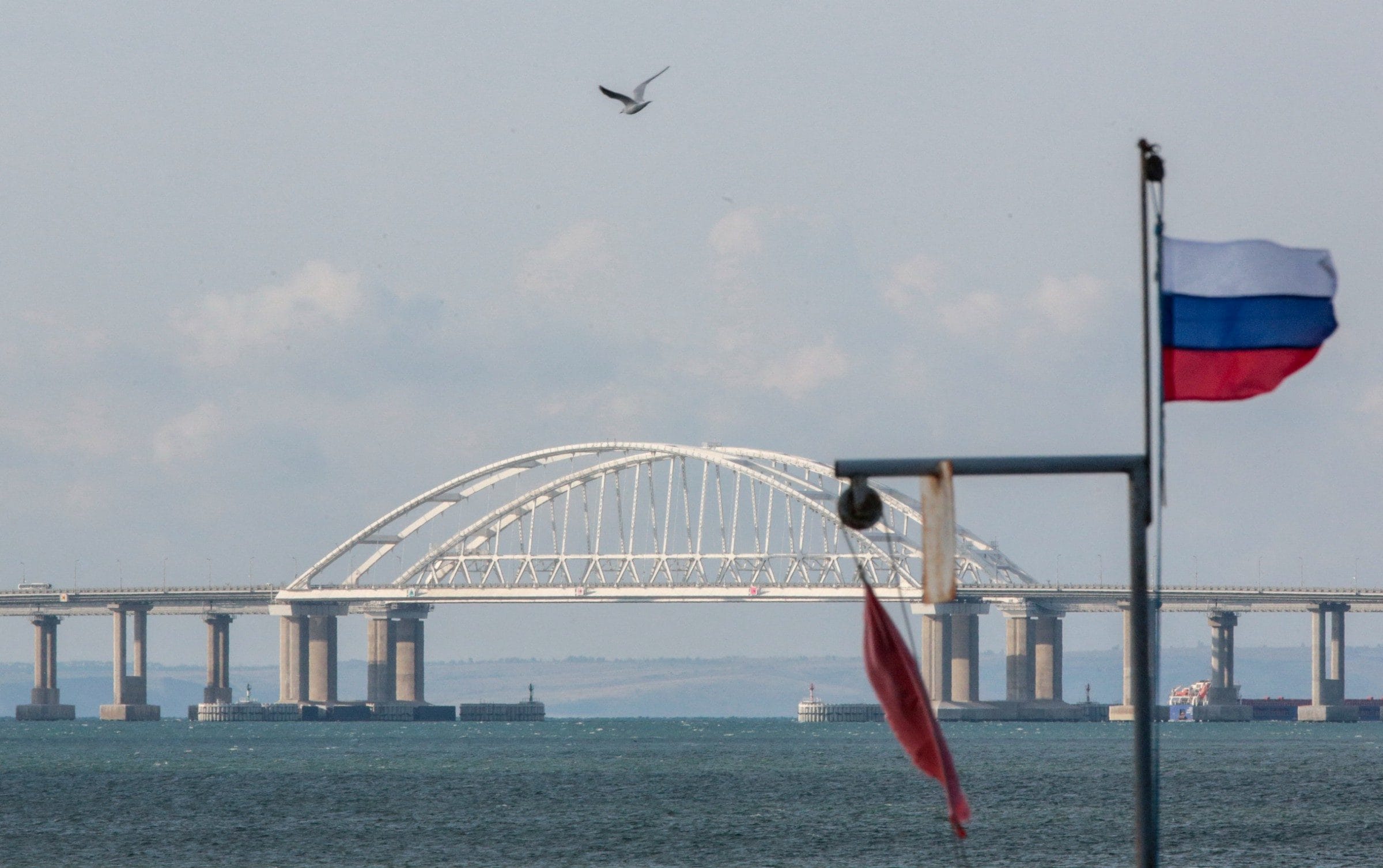
Kerch Bridge Struck In Latest Ukrainian Drone Offensive
A Ukrainian drone strike targeted the Kerch Bridge during a massive aerial offensive, disrupting critical transport links and causing travel delays.
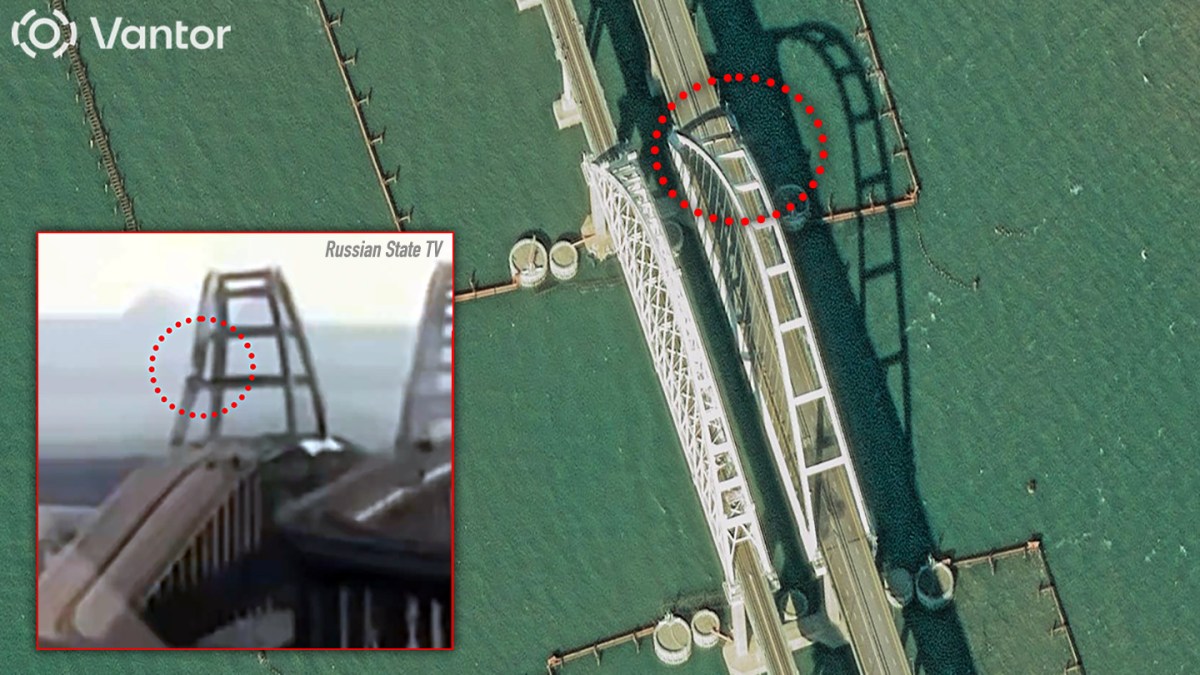
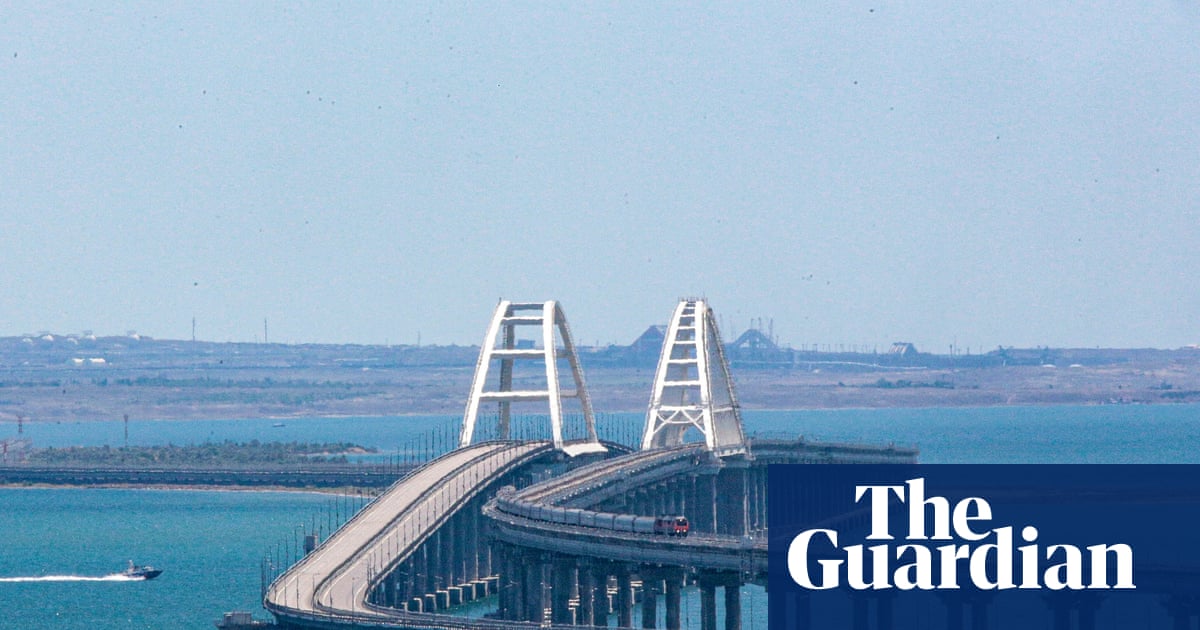
A Ukrainian drone strike struck the Kerch Bridge, disrupting critical transport links as part of a massive aerial offensive that authorities claim involved more than a thousand long-range uncrewed vehicles.
The strategic crossing spanning the Kerch Strait between Krasnodar Krai and the occupied Crimean peninsula was targeted on Monday, November 16, 2026. The Kerch Bridge, built following the 2014 annexation and valued at billions of pounds, serves as a vital artery for moving military personnel, equipment, and supplies. According to local reporting cited by Yahoo News, a strike hit one of the arches of the navigable span at approximately 5:38 a.m. Local time.
Media additions


The Russian-installed head of occupied Crimea, Sergey Aksyonov, confirmed that the crossing had been targeted, announcing temporary traffic restrictions while emergency response teams deployed to the scene. Footage broadcast on Russian television showed visible deformation to the superstructure of the main road span, though the broadcaster reportedly removed the original footage. Independent verification of the structural damage remains pending.
Kremlin spokesperson Dmitry Peskov downplayed the impact, characterizing the structural harm as minor and asserting that traffic across the bridge continued. However, reports indicated that approximately 2,000 vehicles were stranded in queues on either side of the crossing. Rail services also experienced delays, with passenger trains from Moscow, St. Petersburg, and Adler delayed by up to several hours.
The strike on the bridge occurred during a wider overnight drone onslaught. The Russian Ministry of Defense claimed its air defenses intercepted or destroyed 1,336 Ukrainian fixed-wing drones overnight across multiple regions, including occupied Crimea and the Black and Azov Seas. Moscow Mayor Sergei Sobyanin stated that approximately 600 drones were directed toward the capital region, with 191 intercepted on their approach to Moscow.
The aerial campaign extended beyond the capital and the Kerch Strait. Ukrainian forces also struck the Ilsky oil refinery in Krasnodar Krai, hitting three primary processing units at a facility located roughly 500 kilometers from Ukrainian-controlled territory.
These developments unfold against the backdrop of stalled diplomatic efforts and impending high-level international meetings. The World coverage notes that leaders including Vladimir Putin, Donald Trump, and Chinese President Xi Jinping are scheduled to participate in a trilateral summit in Shenzhen, China. While U.S. Officials indicated that Russia's war against Ukraine is not formally featured on the agenda, the timing underscores Kyiv's capacity to project power deep inside Russian territory.
| Metric / Claim | Russian Official Figure | Ukrainian / Independent Source |
|---|---|---|
| Overnight Intercepted Drones | 1,336 (Russian Ministry of Defense) | Not publicly disclosed by Kyiv |
| Drones Targeted at Moscow Region | ~600 (Sergei Sobyanin) | Unverified by independent auditors |
| Bridge Closure Duration | Restricted until midday, alternate traffic resumed (Aksyonov) | Stuck queues of ~2,000 vehicles, subsequent second strike reported Tuesday |
| Refining Capacity Impact | Described as minor / ongoing operations | Over 55% neutralized (President Volodymyr Zelenskyy) / ~30% reduction (Industry sources) |
Reporting from Bnonews indicated that the Kerch Bridge was struck a second time less than 24 hours later, prompting Sevastopol Governor Mikhail Razvozhayev to announce a full suspension of traffic.
What to Watch Next
- Assessments from engineering teams regarding the long-term structural integrity of the damaged Kerch Bridge arch.
- Outcomes from the trilateral summit in Shenzhen involving Vladimir Putin, Donald Trump, and Xi Jinping regarding international security stability.
- Further developments in the winter energy infrastructure conflict as regional repair crews work to restore disrupted power grids and fuel depots.