Kevin Rideout released after nine months of captivity in Niger
American missionary pilot Kevin Rideout has been released after more than nine months of captivity in Niger, according to his organization and U.S. officials.

- Core Development: American missionary pilot Kevin Rideout has been released after more than nine months of captivity in Niger, according to his organization and U.S. officials.
- Beat Context: Categorized under World with independent corroboration.
- Reporting Depth: 4 minute analytical read synthesized from verified newsroom sources.
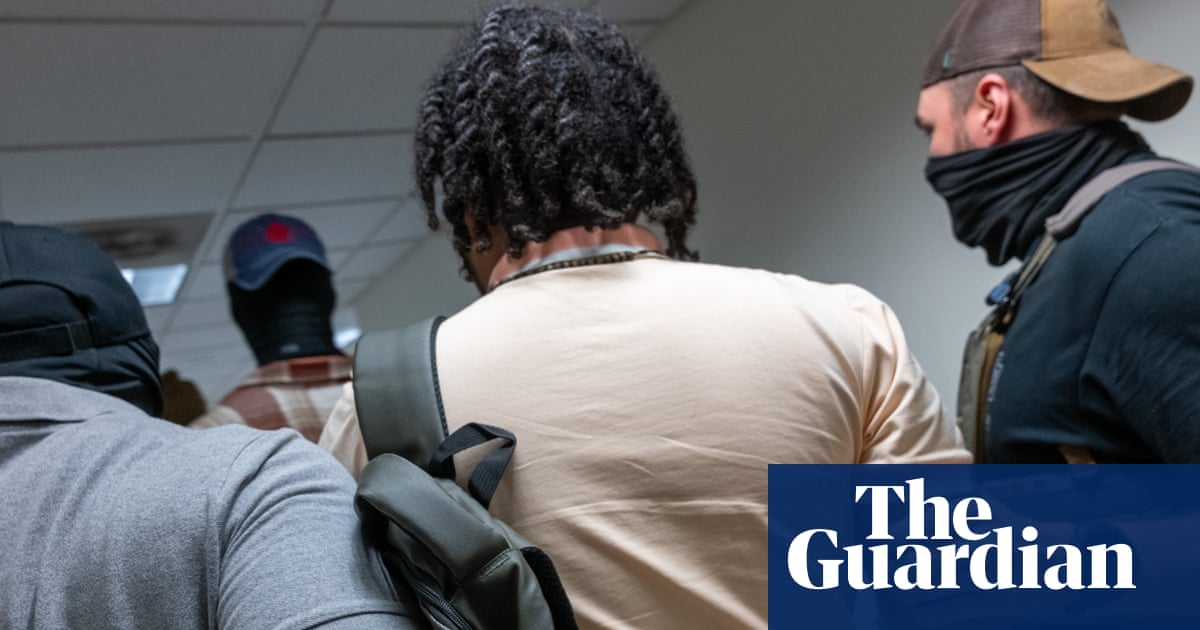
An American missionary pilot abducted in West Africa has been freed after enduring more than nine months of captivity, according to his organization and The Guardian. Kevin Rideout, who had been working in Niger for 19 years as a missionary before the incident, was seized in the capital city of Niamey on 21 October by three armed individuals and was probably driven out of town, according to a security official at the time.
Serving in Mission International confirmed the release in a statement, noting that Rideout “is in good health in the care of US officials” and would soon be reunited with his extended family. Phil Bauman, the director of SIM International, expressed relief and gratitude over the development in a statement provided to CNN and The Independent. Other details about his rescue remain unknown, and no armed group claimed responsibility for the abduction.
Media additions
The successful recovery drew high-level political attention. Donald Trump posted on his Truth Social platform that Rideout was back in United States custody and expressed pride in having helped secure the release.
Trump wrote on Friday, and added,"I am proud to announce that Kevin Rideout, a wonderful Christian Missionary, is back in United States Custody,"
Donald Trump, U.S. President, via The Guardian
Trump also described the broader region of west Africa as “the epicenter of Islamist terrorism” in his social media post, claiming there had been “more deadly attacks in the past year” there than anywhere else on Earth. According to reporting from The Guardian, the administration had prioritized the missionary's freedom within its latest strategy concerning African Sahel states after years of fighting extremism found limited success."Kevin, the United States of America looks forward to welcoming you HOME. Glad to have helped!"
Donald Trump, U.S. President, via The Guardian
Rideout's ordeal unfolded against a backdrop of sweeping geopolitical shifts in Niger. A military junta has governed Niger since seizing power in 2023 by deposing democratically elected President Mohamed Bazoum. The country's new leadership subsequently expelled Western allies, including the United States, which had stationed soldiers there, while establishing a fresh security and diplomatic alignment with Russia. One former US base has since been occupied by Russian soldiers.
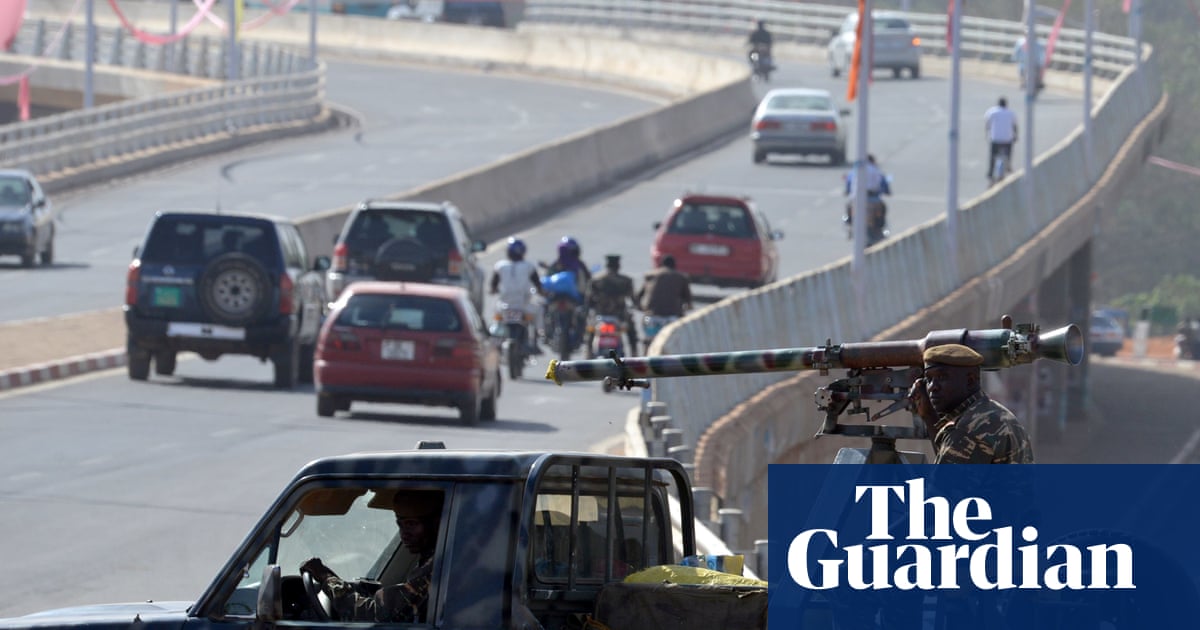
Niger has long faced attacks from armed groups including jihadis linked to al-Qaida and the Islamic State organization. The US embassy in Niamey issued a security alert a day after Rideout’s abduction, warning that American citizens “remain at a heightened risk of kidnapping throughout Niger, including in the capital city”. Washington has since shifted its focus to coastal west African states including Benin, Côte d’Ivoire and Ghana, sharing intelligence with local security personnel to prevent extremist threats from spilling southwards from the arid Sahel.
Security conditions across the region have deteriorated sharply. Data from Acled, the armed conflict data aggregator, shows that civilian fatalities rose by nearly 50% in the year after Bazoum was ousted. Cities and urban centres in the Sahel region have also been increasingly targeted by armed non-state actors as the crisis reaches new dimensions. In June, more than 30 people were killed when gunmen attacked the main airport in Niamey. It was the second attack this year at the airport, a strategic hub that serves as the ruling military’s command, hosting its air force base and most of its drones and aircraft. It is also the headquarters of the regional alliance that brings together troops from Niger, Mali and Burkina Faso.
Regional violence has extended beyond Niger's borders. In April, Mali’s defence minister, Gen Sadio Camara, was killed in his home on the outskirts of the capital Bamako during coordinated assaults staged by insurgents including the west African affiliate of al-Qaida.
Chronology of the Crisis
- 2023: Military junta deposes President Mohamed Bazoum, citing deteriorating security, and expels Western military forces in favor of a Russian alliance.
- 21 October: Kevin Rideout is abducted by three armed individuals in Niamey.
- 22 October: The U.S. Embassy in Niamey issues a security alert warning of heightened kidnapping risks for Americans.
- April: Mali’s defence minister is killed in Bamako during coordinated insurgent assaults.
- June: Over 30 people are killed in an armed assault on Niamey's main airport, marking the second attack at the strategic hub that year.
- 14 August: SIM International and U.S. Officials announce Rideout's release after more than nine months in captivity, followed by statements from Donald Trump confirming his return to U.S. Custody.
As international focus remains fixed on the broader world stage, experts and diplomats continue to monitor the escalating insurgency across the Sahel, where regional instability poses ongoing challenges for foreign nationals and local populations alike.
How significant is this development?
Contribute your assessment to the aggregated reader sentiment ledger.
Frequently Asked Questions
Key questions answered in this reportWhat is the key development in: Kevin Rideout released after nine months of captivity in Niger?
American missionary pilot Kevin Rideout has been released after more than nine months of captivity in Niger, according to his organization and U.S. officials.
Why is this World development significant for the UK?
This report covers critical events in our World beat. Independent reporting monitors related UK statements, regulatory shifts, and public responses as further verified details emerge.
How was this reporting corroborated and verified?
Newsarchy UK compiles and cross-references reporting from primary reporting from independent.co.uk and cross-checked wire reports. All coverage adheres to published editorial standards.
When was this report published?
This briefing was published on August 15, 2026 and is permanently cataloged in the Newsarchy UK World archives.