Marco Rubio says progress made in Iran‑Oman Strait talks
EXECUTIVE BRIEFKey Takeaways & Signal
Core Development: U.S. Secretary of State Marco Rubio says progress is being made in talks, signaling a potential reopening of the Strait of Hormuz soon.
Beat Context: Categorized under World with independent corroboration.
U.S. Secretary of State Marco Rubio told reporters on Tuesday that there had been progress in talks between Iran and Oman concerning the Strait of Hormuz, though no final agreement had been reached yet. Rubio stated that officials were hoping a resolution would occur very shortly. The diplomatic developments coincided with comments from U.S. Treasury Secretary Scott Bessent, who told CNBC that a deal to open the strait could be reached as soon as Wednesday, or between today and tomorrow. Oil prices eased following the announcements, and Wall Street stocks rose.
"There's been progress made in those talks but not finality yet. We're hoping that will happen very shortly."
Media additions
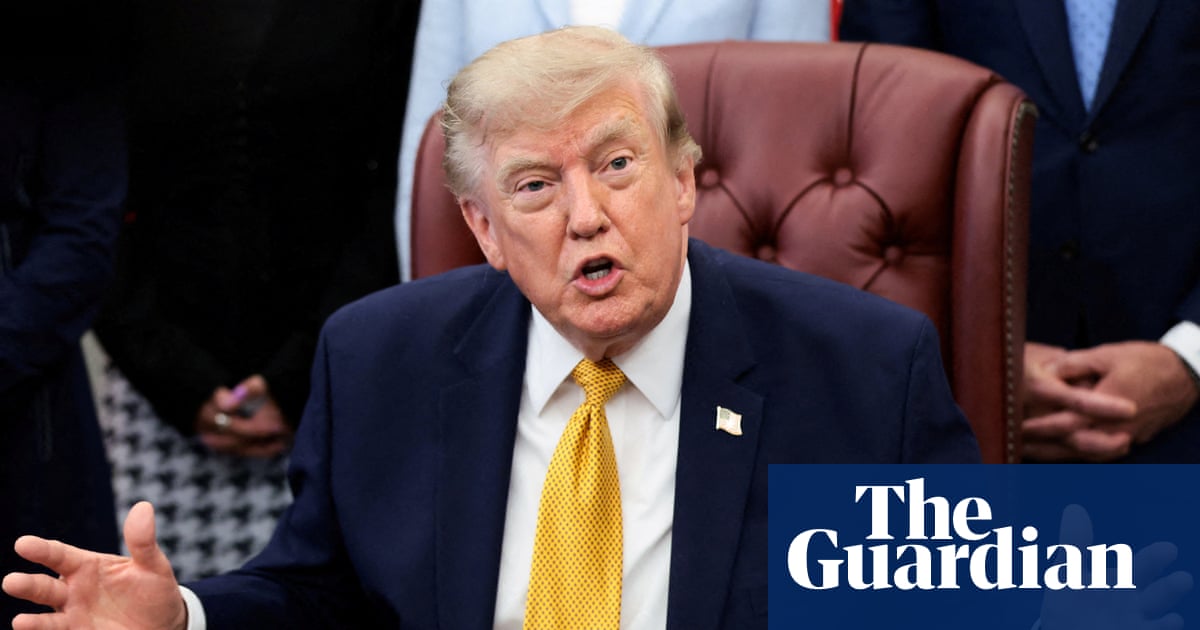
Image via theguardian.com
Marco Rubio, U.S. Secretary of State, via Yahoo News
The optimistic remarks followed public warnings from President Donald Trump on Fox News regarding the closure of the strategic waterway. Trump stated that the Strait of Hormuz would open very soon or the United States would strike hard, leveraging military pressure to push Tehran toward negotiations. Iran previously denied that direct talks were underway with the White House, maintaining that discussions regarding the strait's future were taking place only with Oman.
Regional intermediaries have been actively coordinating behind the scenes. Qatar's foreign ministry spokesperson, Majed al-Ansari, announced during a briefing that Qatar, Oman, and Pakistan were mediating in close coordination and exchanging draft proposals between Washington and Tehran. According to Qatari officials, these diplomatic contacts have reached very progressive stages, with mediators working to create appropriate conditions for direct dialogue.
Negotiations between Iran and Oman have centered on the specific operational mechanics of reopening the waterway. An Iranian source familiar with the direct talks told CBS News that the broad outlines of a temporary transit scheme have largely been agreed upon, leaving remaining discussions focused on implementation and timing. Regional diplomats explained that under the proposed arrangement, ships entering the strait would utilize the channel closest to Iran while Tehran coordinates inbound traffic. Vessels departing would travel along a southern route near the Omani coast under Muscat's management. A service fee would also be levied on transiting ships, with revenues split between Iran and Oman.
The mechanics and Omani involvement have faced regional friction. Regional diplomats reported that Oman has experienced concerted U.S., European, and Saudi pressure to accept the temporary transit scheme. Muscat has resisted the proposal out of concern that the arrangement could become permanent and grant Iran lasting influence over sea routes in Omani waters. Meanwhile, Saudi Arabia has pressed Oman heavily, fearing that reluctant factions in Iran could derail a deal and ignite a wider regional conflict.
Divisions within Tehran have further complicated the diplomatic landscape. According to regional diplomats, Iran's foreign ministry has shown eagerness to secure an agreement, recognizing that control over the strait could become a wasting asset as alternative shipping routes emerge. Conversely, regime hardliners remain skeptical of U.S.-backed financial promises. One regional diplomat observed that the regime understands its leverage over the waterway and senses U.S. Desperation to strike a deal.
Maritime security incidents have continued alongside the diplomatic efforts. The United Kingdom Maritime Trade Operations agency reported that a Liberian-flagged cargo vessel, the MV Minoan Pioneer, was struck by an unidentified projectile roughly twenty nautical miles northeast of Khasab, Oman, resulting in an electrical blackout and a missing crew member. Separately, an Indian vessel sank after a projectile attack near Yemeni waters, with all crew members rescued by the Yemeni Coast Guard. Yemen's Iran-backed Houthi rebels also claimed drone and missile strikes targeting an airport in southern Saudi Arabia and an oil tanker off the coast of Yanbu.
Commercial shipping and export routes have faced ongoing adjustments. U.S. Central Command confirmed that the southern route through the Strait of Hormuz remains open for commercial vessels, noting that U.S. Forces have assisted more than one thousand ships in safely transiting over the past three months. At the same time, Iraq has continued moving crude oil shipments through the waterway and explored alternative export avenues, including tanker trucks through Syria and pipeline networks directed toward Turkey.
What to watch next
Whether a formal agreement on the temporary transit scheme between Iran and Oman is finalized in the near term, as suggested by U.S. Officials.
The outcome of the proposed sixty-day negotiating window, which is intended to address Iran's demand for transit fees and facilitate broader discussions on nuclear-related issues.
Further statements from the Iranian foreign ministry and Omani officials regarding the management of shipping traffic and permanent arrangements.
Potential responses from regional actors and Houthi forces concerning maritime security in the Red Sea and the Persian Gulf.
READER INTELLIGENCE PULSE
How significant is this development?
Contribute your assessment to the aggregated reader sentiment ledger.
Click an option to register your anonymous assessment.
Frequently Asked Questions
Key questions answered in this report
What is the key development in: Marco Rubio says progress made in Iran‑Oman Strait talks?
U.S. Secretary of State Marco Rubio says progress is being made in talks, signaling a potential reopening of the Strait of Hormuz soon.
Why is this World development significant for the UK?
This report covers critical events in our World beat. Independent reporting monitors related UK statements, regulatory shifts, and public responses as further verified details emerge.
How was this reporting corroborated and verified?
Newsarchy UK compiles and cross-references reporting from primary reporting from theguardian.com and cross-checked wire reports. All coverage adheres to published editorial standards.
When was this report published?
This briefing was published on August 5, 2026 and is permanently cataloged in the Newsarchy UK World archives.