Core Development: Former Ukrainian defence minister Mykhailo Fedorov has called for a mechanism to hold national elections despite ongoing martial law in Ukraine.
Beat Context: Categorized under World with independent corroboration.
In a nine‑minute YouTube address released on 19 August, former Ukrainian defence minister Mykhailo Fedorov called for a “legal, safe and realistic mechanism” to hold national elections despite the country’s ongoing martial law. The appeal arrives amid fresh protests over his July dismissal and a parliamentary vote to confirm President Volodymyr Zelensky’s nominee, Yevhenii Khmara, as permanent defence minister. If realised, Fedorov’s demand would mark the first formal leadership challenge to Zelensky since Russia’s full‑scale invasion began on 24 February 2022.
Fedorov, 35, told viewers, “Democracy cannot be held hostage by Russia. We are fighting precisely because we want to remain a free European state.” He added that the war’s length should not dictate when Ukrainians can exercise their democratic rights.
“We must find a legal, safe and realistic mechanism that will allow Ukraine to renew its full democratic process even in the conditions of a long war,”
Media additions
Image via timeslive.co.zaImage via sundaytimes.timeslive.co.zaImage via abc.net.au
Mykhailo Fedorov, former defence minister, via his YouTube address
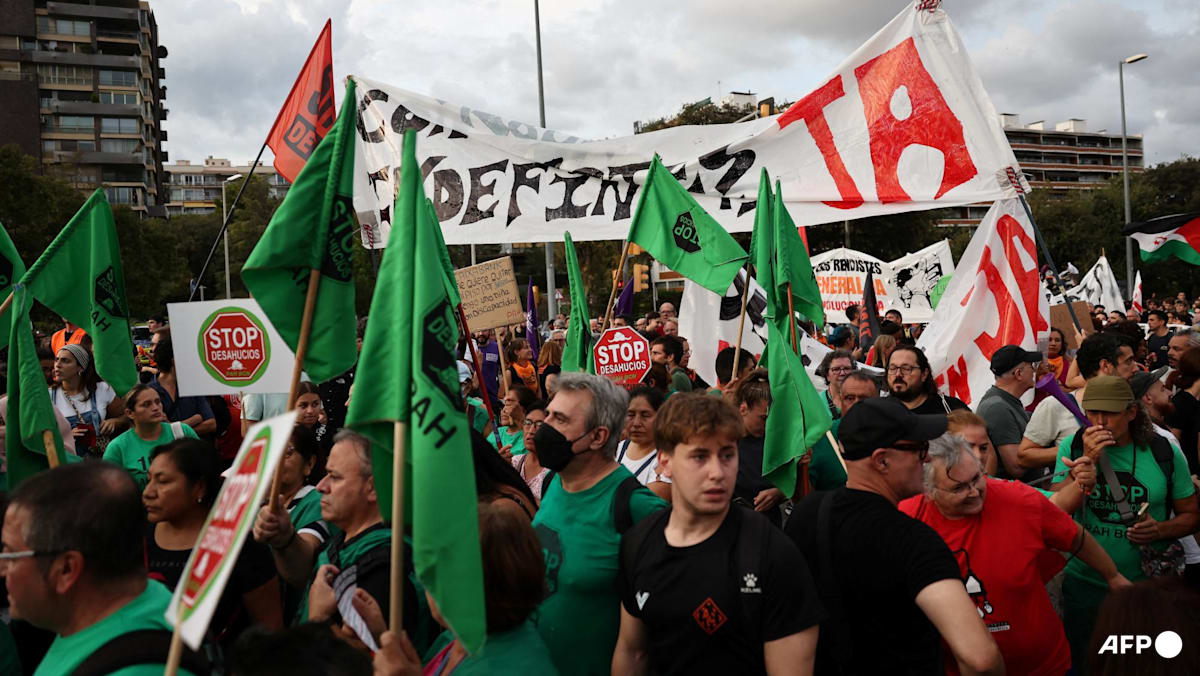
The call follows a series of rare wartime demonstrations in Kyiv and other cities that have drawn thousands of young Ukrainians demanding Fedorov’s reinstatement and the ouster of senior military commander Oleksandr Syrskyi. Protesters have also pressed for broader accountability, citing what Fedorov described as a “systemic crisis of governance” and “wartime corruption” that, in his view, weakens Ukraine’s ability to win.
From digital reformer to defence minister
Fedorov first entered politics when Zelensky, then a television host, hired him in 2019 to run his social‑media campaign. After that landslide victory, Zelensky appointed the 28‑year‑old to a newly created post for digital transformation. The ministry launched the Diia app – billed as “the state in a smartphone” – allowing citizens to manage everything from vehicle registration to marriage certificates.
When Russia invaded in 2022, Fedorov pressed SpaceX founder Elon Musk to activate Starlink in Ukraine, a move that now underpins battlefield communications. He also championed the development of a large “army of drones,” creating a points‑for‑video‑verification system that let soldiers earn credits to purchase drones and other equipment. By January 2026, the president promoted him to defence minister, tasking him with a data‑driven purge of procurement scandals that had plagued the ministry for years.
Fedorov’s tenure was marked by ambitious targets, including a plan to inflict 50 000 monthly casualties on Russian forces and to cripple Russia’s aerial attacks and economy. He announced reforms to service contracts for the roughly million‑person armed forces and promised higher wages for infantry troops, though some veterans complained the proposals favoured new recruits.
Dismissal, protests and a new defence chief
Mid‑July 2026, Zelensky abruptly removed Fedorov after a six‑month stint, citing a broader government reshuffle. The move sparked the first large‑scale wartime protests in the capital, with demonstrators chanting for Fedorov’s return and for the dismissal of Syrskyi, whose infantry‑centric tactics had drawn criticism for high casualty rates. Zelensky later replaced Syrskyi with a younger general but appointed Khmara – a former head of the Security Service of Ukraine (SBU) – as acting, then permanent, defence minister.
Ukrainian anti‑corruption agencies announced on the same day they were probing senior officials in Zelensky’s office for suspected money‑laundering. While the president’s office declined immediate comment on Fedorov’s election demand, a spokesperson welcomed Parliament’s approval of Khmara’s appointment.
Legal and logistical barriers
Under the constitution, martial law – imposed by Zelensky on 24 February 2022 – suspends nationwide elections. Zelensky’s five‑year term, which expired in May 2024, cannot be renewed while martial law remains in force. In December 2025, Zelensky floated the idea of holding elections within three months, asking the United States and European partners to guarantee voter safety amid daily Russian attacks. He later said the United States could help secure a vote within 60 to 90 days if sufficient guarantees were offered.
Fedorov acknowledged the challenges of organising a wartime poll, citing the need to secure voting for troops on the front line, millions of refugees abroad and citizens residing in occupied territories. Yet he argued that Ukraine “has repeatedly done what the world considered impossible” and could devise a solution for a democratic process even during prolonged conflict.
Expert analysis
Michael Clarke, a visiting professor at King’s College London, described Fedorov’s intervention as “the most fundamental challenge to Zelensky’s authority since 2019.” Clarke told the Mirror that the former minister “knows that calling for elections is impossible but the point he makes is not a bad one… If we’re fighting for democracy, we have to practice democracy in some way or other.”
Clarke added that the timing – days after Khmara’s nomination – suggests Fedorov is pressing the president to confront a “systemic crisis of governance” rather than merely seeking personal reappointment.
What comes next?
Parliament is expected to vote on Khmara’s permanent appointment within the next week.
Ukrainian anti‑corruption agencies will continue investigations into alleged money‑laundering involving senior presidential aides.
International partners, notably the United States and EU member states, are being asked to outline security guarantees that could enable a vote within 60 to 90 days, should martial law be lifted.
Pro‑Fedorov demonstrators plan another rally in Kyiv on 26 August, calling for a transparent mechanism to restore elections.
Timeline of key developments
Date
Event
24 February 2022
Zelensky signs decree imposing martial law after Russia’s full‑scale invasion.
January 2026
Fedorov promoted to defence minister, pledges data‑driven overhaul.
Mid‑July 2026
President Zelensky dismisses Fedorov; large protests erupt across Ukraine.
Early August 2026
Zelensky nominates Yevhenii Khmara as permanent defence minister.
19 August 2026
Fedorov releases video calling for wartime elections.
What to watch next
Analysts will be monitoring whether Ukraine’s parliamentary allies can draft a “legal, safe and realistic” electoral framework that satisfies both constitutional constraints and security concerns. The next major flashpoint will be the parliamentary vote on Khmara’s appointment, followed by any concrete proposals from the United States or European Union on election security guarantees.
For continued coverage of Fedorov’s political moves, see Ex‑defence minister calls for elections in Ukraine. Further analysis of the broader governance crisis can be found in the Sacked Ukraine Defence Minister Mykhailo Fedorov calls for wartime presidential election piece.
READER INTELLIGENCE PULSE
How significant is this development?
Contribute your assessment to the aggregated reader sentiment ledger.
Click an option to register your anonymous assessment.
Frequently Asked Questions
Key questions answered in this report
What is the key development in: Mykhailo Fedorov urges wartime elections, challenging Zelensky's rule?
Former Ukrainian defence minister Mykhailo Fedorov has called for a mechanism to hold national elections despite ongoing martial law in Ukraine.
Why is this World development significant for the UK?
This report covers critical events in our World beat. Independent reporting monitors related UK statements, regulatory shifts, and public responses as further verified details emerge.
How was this reporting corroborated and verified?
Newsarchy UK compiles and cross-references reporting from primary reporting from abc.net.au and cross-checked wire reports. All coverage adheres to published editorial standards.
When was this report published?
This briefing was published on August 19, 2026 and is permanently cataloged in the Newsarchy UK World archives.