North Korea launches ballistic missile ahead of US-South Korea drills
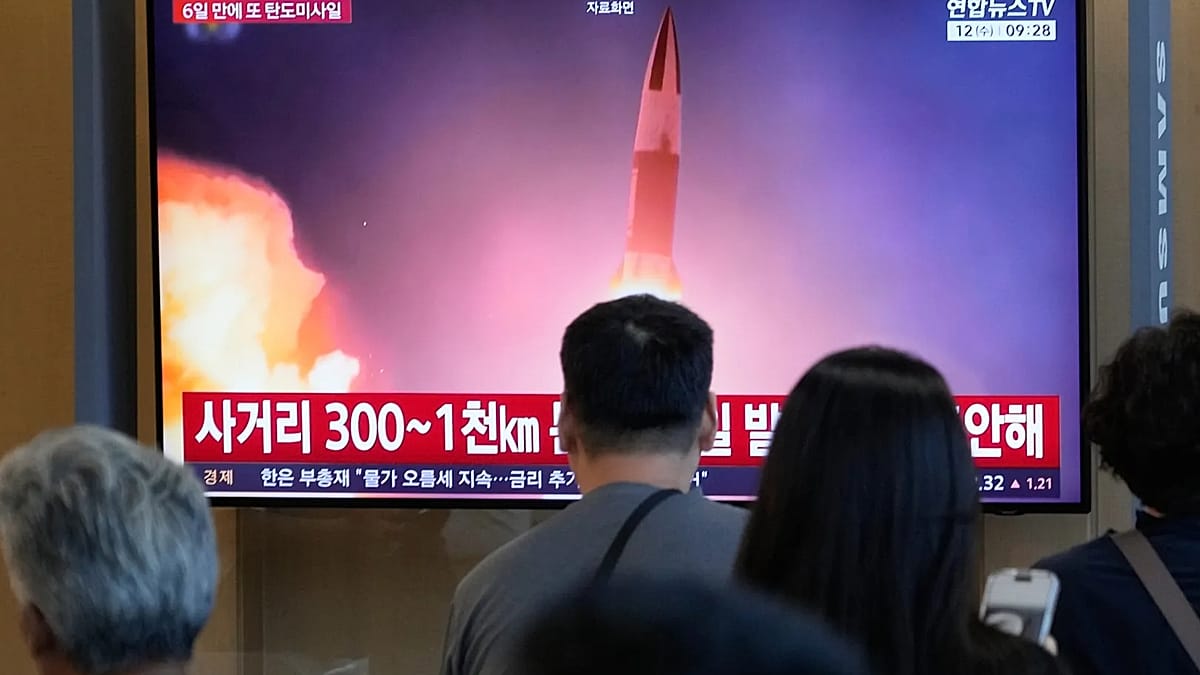
North Korea launched a ballistic missile toward the sea, marking its second weapons test in less than a week ahead of joint U.S.-South Korea military exercises.

- Core Development: North Korea launched a ballistic missile toward the sea, marking its second weapons test in less than a week ahead of joint U.S.-South Korea military exercises.
- Beat Context: Categorized under World with independent corroboration.
- Reporting Depth: 4 minute analytical read synthesized from verified newsroom sources.
North Korea launched a ballistic missile toward the sea on Wednesday, August 12, 2026, marking its second weapons test in less than a week. Regional militaries and international observers tracked the escalation, which comes just ahead of major joint military exercises between Washington and Seoul. The timing has intensified security tensions across the Korean Peninsula.
South Korea’s Joint Chiefs of Staff reported that the projectile lifted off from the eastern coastal area of Wonsan at approximately 6 a.m. Local time, travelling a distance of more than 700 kilometres, equivalent to approximately 435 miles. While South Korean authorities noted that detailed analyses regarding the exact specifications of the weapon remain ongoing, senior researcher Hong Min of the Korea Institute for National Unification suggested that the missile's range, trajectory, and launch location could point toward a hypersonic weapon, with a submarine-launched ballistic missile also remaining a distinct possibility.
Media additions

Japan’s Defense Ministry also tracked the launch, confirming that the missile reached a maximum altitude of roughly 56 miles and ultimately landed in waters outside the country's exclusive economic zone, situated between the Korean Peninsula and Japan. Japanese Defense Minister Shinjiro Koizumi strongly condemned the test at a press briefing. It's a serious problem that affects the safety of the Japanese people,
he said, adding that the actions threaten regional and international security and violate United Nations Security Council resolutions. Tokyo lodged a formal diplomatic protest against North Korea through its embassy in Beijing.
Experts note that North Korea often uses its rivals' military training as a pretext to boost its own testing activities. The upcoming 11-day Ulchi Freedom Shield exercise, scheduled to kick off Monday and will focus on preparing for evolving threats from North Korea, military officials said earlier this week. U.S. And South Korean officials have repeatedly said their training is defensive in nature. Col. Ryan Donald, a spokesman for U.S. Forces, emphasized during a briefing that the training event is transparent and serves as a response to security challenges rather than a provocation.
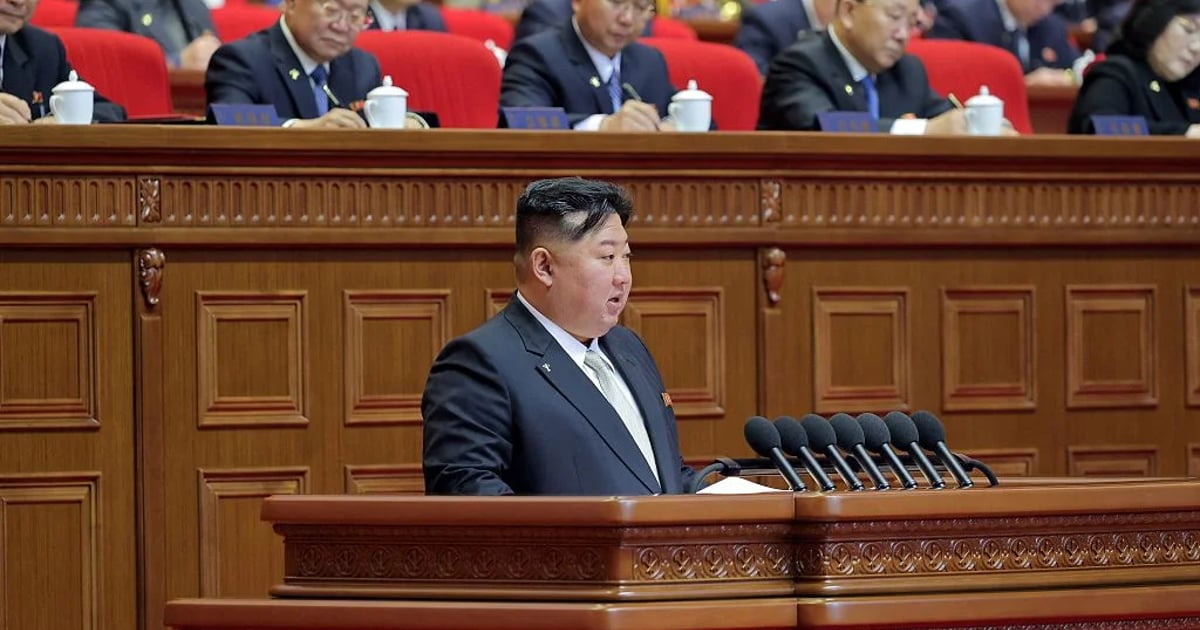
North Korea routinely denounces the allies' joint exercises as rehearsals for an invasion. Following last year's Ulchi Freedom Shield training exercises began, North Korean leader Kim Jong Un said the drills showed the U.S. And South Korea's "will to ignite a war" and claimed they have grown more provocative than before, which has prompted North Korea to respond with "proactive and overwhelming" countermeasures. Multiple U.N. Security Council resolutions ban North Korea from launching ballistic missiles. But North Korea has ramped up ballistic and other weapons testing activities to expand its nuclear and missile arsenals since Kim's high-stakes diplomacy with U.S. President Donald Trump fell apart in 2019. Experts say Kim likely hopes to use his enlarged arsenals to wrest concessions from the U.S., such as relaxing international economic sanctions on the North. In recent years, Kim has boosted his diplomatic footprint by strengthening cooperation with Russia by supplying troops and ammunition to support its war against Ukraine. He's also recently taken steps to bolster ties with China, the country's traditional ally and economic pipeline. Chinese President Xi Jinping visited the North Korean capital Pyongyang in June for the first time in seven years.
Regional defense posture remains heightened in response to the latest developments. South Korea’s national security council called North Korean ballistic missile launches "acts of provocation" and urged the North to halt them immediately, while the South Korea's military said it remains ready to repel any provocation by Pyongyang in cooperation with the United States. Meanwhile, the U.S. Indo-Pacific Command said it detected the launch and was consulting with regional allies and partners, issuing an initial assessment that the event does not pose an immediate threat to U.S. Personnel or territory, or to our allies.
Key Details of Recent Developments
- First recent launch: August 6, 2026, featuring a short-range ballistic missile from Wonsan, representing the North's first ballistic testing activity since late June.
- Latest launch: Wednesday, August 12, 2026, travelling over 700 kilometres with a maximum altitude of roughly 56 miles.
- Upcoming drills: Ulchi Freedom Shield exercises scheduled for August 17–27, 2026.
- Diplomatic friction: Japan lodged formal protests through its embassy in Beijing, while South Korea urged an immediate end to actions violating U.N. Resolutions.
As security concerns mount across the region, allied militaries will continue monitoring Pyongyang's movements closely as the scheduled start of the Ulchi Freedom Shield exercises approaches.
How significant is this development?
Contribute your assessment to the aggregated reader sentiment ledger.
Frequently Asked Questions
Key questions answered in this reportWhat is the key development in: North Korea launches ballistic missile ahead of US-South Korea drills?
North Korea launched a ballistic missile toward the sea, marking its second weapons test in less than a week ahead of joint U.S.-South Korea military exercises.
Why is this World development significant for the UK?
This report covers critical events in our World beat. Independent reporting monitors related UK statements, regulatory shifts, and public responses as further verified details emerge.
How was this reporting corroborated and verified?
Newsarchy UK compiles and cross-references reporting from primary reporting from euronews.com and cross-checked wire reports. All coverage adheres to published editorial standards.
When was this report published?
This briefing was published on August 12, 2026 and is permanently cataloged in the Newsarchy UK World archives.