Pavel Durof placed on Russian wanted list over terrorism charges
Russia's security service has placed Telegram founder Pavel Durov on an international wanted list, accusing him of facilitating terrorist activity.

- Core Development: Russia's security service has placed Telegram founder Pavel Durov on an international wanted list, accusing him of facilitating terrorist activity.
- Beat Context: Categorized under World with independent corroboration.
- Reporting Depth: 5 minute analytical read synthesized from verified newsroom sources.
Pavel Durov placed on Russian wanted list over terrorism charges
Russia’s security service issued an international arrest warrant for Telegram founder Pavel Durov on Wednesday, accusing him of facilitating terrorist activity through the messaging platform. The move comes after weeks of stalled talks between the Kremlin and Telegram, and it escalates a legal battle that could determine the fate of one of the world’s most popular encrypted apps.
The Federal Security Service (FSB) claims Ukrainian intelligence agencies used Telegram’s channels, chats and bots to recruit and direct Russian citizens in sabotage operations. In the FSB’s statement, 46 Russians aged 12 to 22 were said to have been arrested after being “coerced” via a popular dating chatbot called “Daivinchik/Leo”. The agency alleges those recruits carried out attacks on police, set fire to transport, energy, communications and financial infrastructure.
Media additions
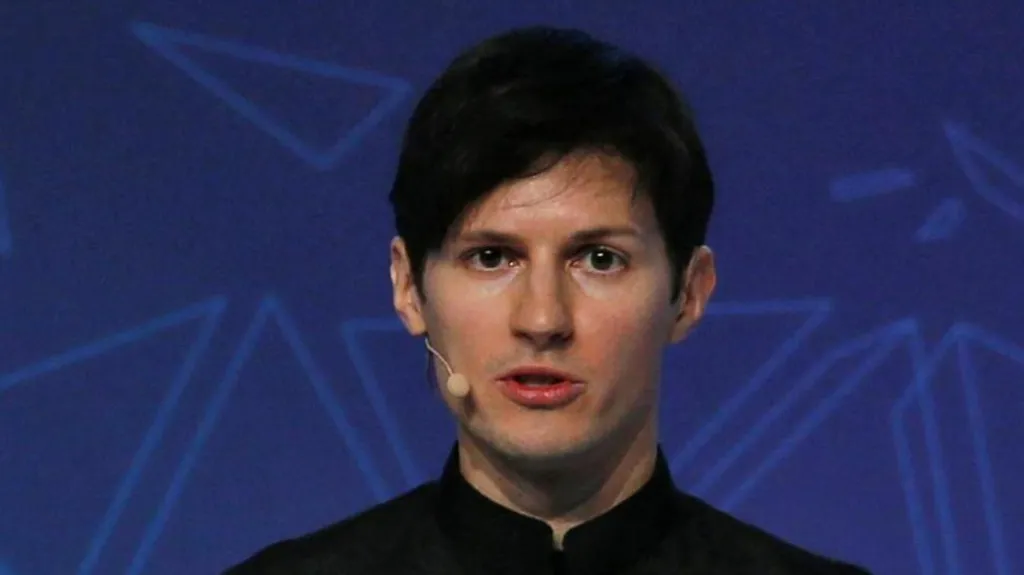

Telegram answered within hours by posting an image on its official X account of Durov giving the middle finger — a gesture that quickly went viral on social media.
How the case unfolded
- 2014 – Durov leaves Russia after refusing to hand over user data from VKontakte, the “Facebook of Russia”.
- 2024 – French police detain Durov at Paris‑Le Bourget Airport on suspicion of failing to curb illegal activity on Telegram; he is released after four days on the condition he stays in France, later allowed to travel to Dubai.
- July 27, 2026 – Kremlin spokesman Dmitry Peskov says Russia is in talks with Telegram about restoring service after a nationwide block.
- July 29, 2026 – The FSB and the state Investigative Committee charge Durov with “facilitating terrorist activity” under Article 205.1 of the Russian criminal code and place him on an international wanted list. Telegram’s X account posts the finger‑gesture image.
The timing is critical. Russia has been throttling Telegram for years, most recently blocking the app in April 2026 in an attempt to push users onto the state‑run messenger Max. The July charge arrives just as the Kremlin announced it was still negotiating with Telegram, suggesting the arrest warrant is meant to pressure the company back into compliance.
Legal hurdles and citizenship complexities
Human‑rights lawyer Ekaterina Kutuzova explained that Durov’s multiple citizenships — Russian, French and United Arab Emirates, make any extradition attempt “more complicated from the point of view of international law”. She emphasized that a passport alone does not guarantee protection from extradition; the decisive factor is the country where Durov is physically located at the time of a request.
"However, putting a person on the international wanted list does not mean automatic extradition. The state in whose territory the wanted person is located independently decides on his detention and possible extradition on the basis of its own legislation,"
Ekaterina Kutuzova, lawyer and human‑rights activist, via Iz
Both French and Russian law contain provisions that can block extradition of their own citizens. If Durov were found in France, French courts could refuse to hand him over, as they did after his 2024 arrest. Conversely, Russian law permits extradition of a Russian citizen to a third country, but only if the host state’s legislation allows it.
The FSB’s announcement of an “international wanted list” does not automatically trigger an Interpol Red Notice. As the Yahoo report notes, Interpol “has announced nothing” and its Red Notices require a separate review process. Even if Russia were to seek an Interpol notice, past cases, such as the refusal to issue a notice for Bill Browder, show that political motivations can lead to rejection.
Telegram’s role in the Russia‑Ukraine conflict
Both Russian and Ukrainian officials have described Telegram as a “virtual battlefield” where militants, soldiers and influential bloggers coordinate actions. The FSB alleges that the Daivinchik/Leo chatbot was repurposed by Ukrainian operatives to lure young Russians, presenting themselves as potential romantic partners before steering them toward sabotage.
Telegram has denied that it knowingly allowed terrorist recruitment, arguing that its moderation policies already exceed legal obligations. The platform’s founder has long positioned Telegram as a champion of privacy, a stance that has attracted activists and dissidents but also drew criticism for enabling criminal activity and disinformation.
Economic ripple effects
The charge reverberated in cryptocurrency markets. Durov’s involvement with the Gram token, part of the rebranded TON ecosystem, saw the token’s price fall nearly 5% on the day of the announcement, according to Yahoo News. Experts such as Andrey Tugarin argue that legal pressure on Durov is unlikely to directly affect Telegram’s crypto services, which are structured as separate legal entities. Nonetheless, the reputational risk could indirectly impact partnerships and user confidence.
What to watch next
- Whether Russia formally requests an Interpol Red Notice and if the organization grants it.
- Potential diplomatic lobbying by France or the UAE to block any extradition attempt.
- Further statements from the FSB or the Investigative Committee clarifying the legal mechanism behind the “international wanted list”.
- Any resurgence of negotiations between the Kremlin and Telegram, especially regarding the restoration of full service in Russia.
- The impact on Gram and related crypto projects if regulatory pressure expands beyond the messenger itself.
Broader implications for internet freedom
Telegram’s continued popularity, estimated at 90 million Russian users by Yahoo and a claim of 65 million daily users in Russia by Durov, highlights the platform’s resilience despite repeated bans and VPN crackdowns. Analysts such as Ilya Grashchenkov see the latest charge as “another round in the ongoing battle over its control” rather than a final showdown.
For Russian users, the escalation underlines the growing risk of surveillance and prosecution for digital communication. For international observers, the case illustrates the clash between a sovereign state’s security narrative and global tech companies’ claims of privacy and free speech.
As the legal proceedings develop, the world will be watching whether the Russian government’s strategy of targeting tech founders can succeed where earlier attempts, like the 2024 French investigation, have stalled.
How significant is this development?
Contribute your assessment to the aggregated reader sentiment ledger.
Frequently Asked Questions
Key questions answered in this reportWhat is the key development in: Pavel Durof placed on Russian wanted list over terrorism charges?
Russia's security service has placed Telegram founder Pavel Durov on an international wanted list, accusing him of facilitating terrorist activity.
Why is this World development significant for the UK?
This report covers critical events in our World beat. Independent reporting monitors related UK statements, regulatory shifts, and public responses as further verified details emerge.
How was this reporting corroborated and verified?
Newsarchy UK compiles and cross-references reporting from primary reporting from iz.ru and cross-checked wire reports. All coverage adheres to published editorial standards.
When was this report published?
This briefing was published on July 29, 2026 and is permanently cataloged in the Newsarchy UK World archives.