Pope Francis saw gates of hell amid clergy abuse scandal according to diary
Newly published diary excerpts from the late Pope Francis reveal a profound spiritual crisis, physical manifestations of the devil, and deep turmoil during his papacy.
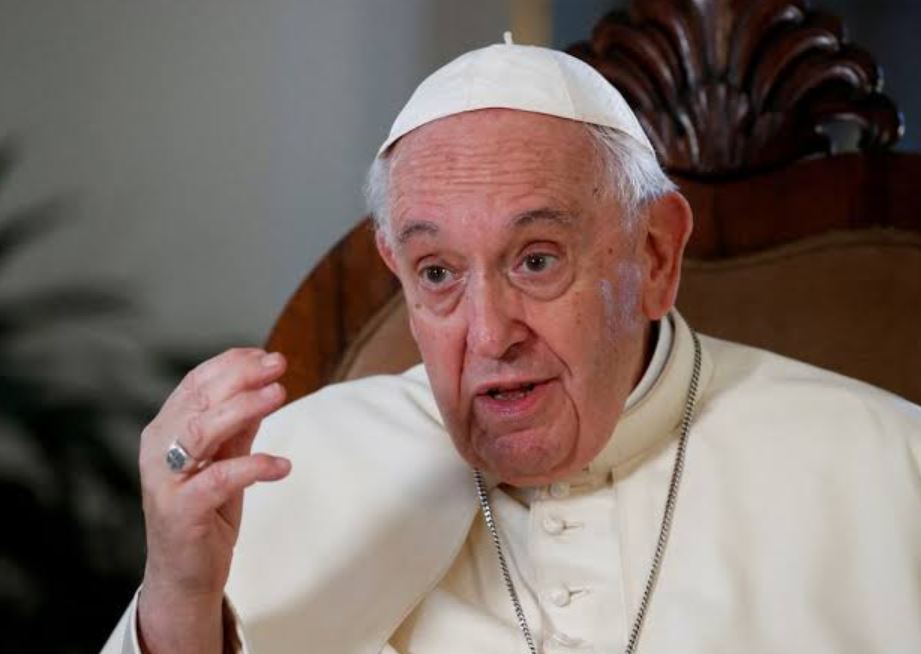
The 160-page volume, titled The Private Diary of Pope Francis, exposes a profound spiritual crisis that gripped the Argentine pontiff. Curated and contextualized by Cardinal Víctor Manuel Fernández, who heads the Vatican's doctrine office, the book draws on handwritten notes kept in a leather-bound calendar starting from 1992, when Jorge Mario Bergoglio served as an auxiliary bishop of Buenos Aires, through his tenure as cardinal archbishop, and concluding with an entry on August 18, 2024. Francis passed away on April 21, 2025, at the age of 88, following a 12-year papacy.
According to the published excerpts, the spiritual crisis unfolded between 2021 and 2022. Fernández explains that the turmoil was intrinsically tied to governance pressures, decision-making stress, desolation, and a personal temptation toward omnipotent power. Critics had long accused Francis of employing an authoritarian, go-it-alone governing style as the supreme leader of the world's 1.4 billion Catholics, a vulnerability the pope himself acknowledged and battled internally as a form of reductive curiosity
and self-sufficiency.
Media additions

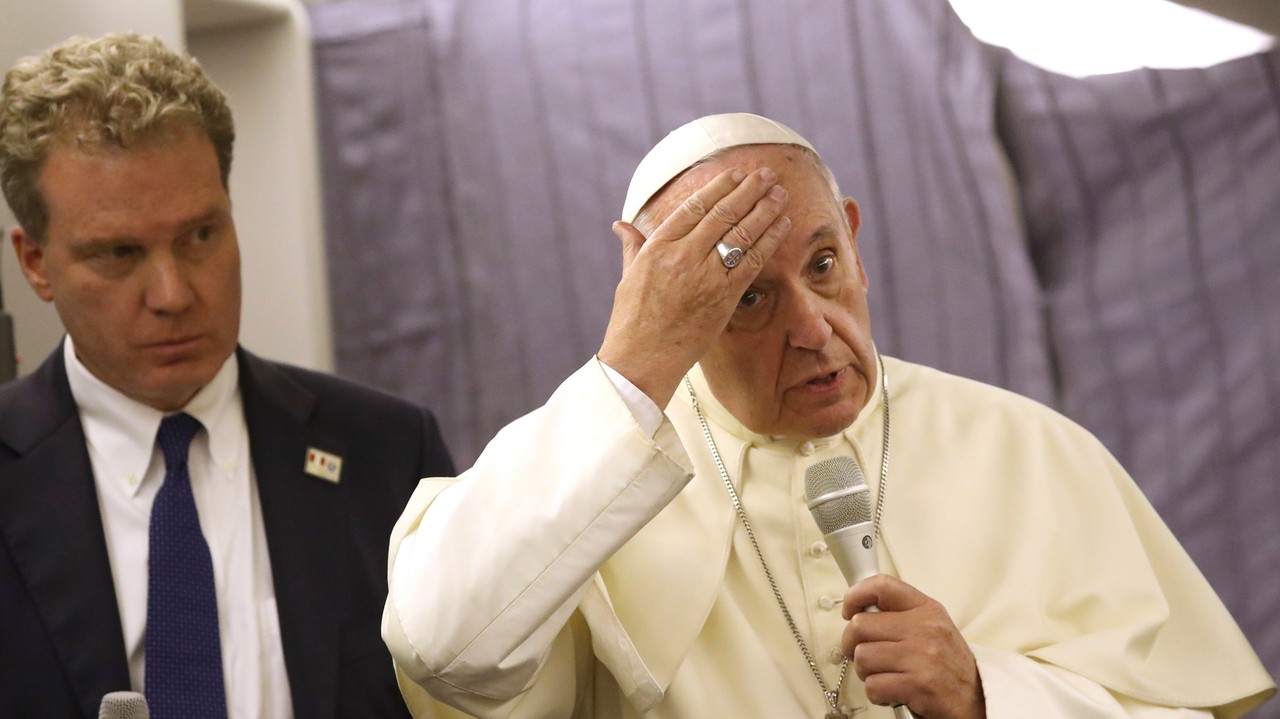
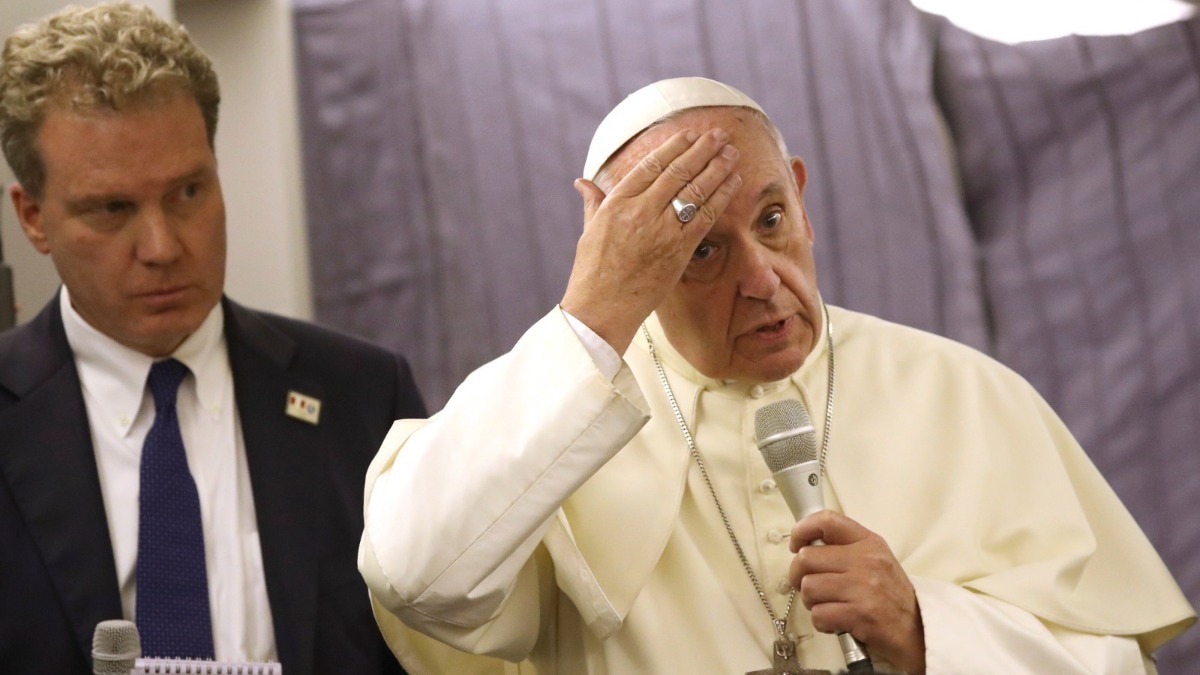
The diary documents visceral, terrifying encounters with the devil. Francis recorded three distinct physical manifestations of the demonic across his ministry: two during his time in Buenos Aires — witnessed from a car window and inside a chapel choir loft during Mass — and a third in Rome following his controversial January 2018 trip to Chile. During the latter visit, the pontiff initially defended a bishop accused of covering up abuse, sparking immense public outcry. After journalists challenged him on the return flight, Francis commissioned an investigation, realized he had been misled by the Chilean hierarchy, and wrote that he was Devastated because of the situation in Chile
and found it hard for me to admit what happened in Chile; I didn't think it was so serious
.
Months after returning, on June 7, 2018, Francis wrote that he had peeked into the entrance to hell
characterized by Pagan seduction in full force
amidst the scandal, noting that he grabbed his rosary as a weapon. By July and August of that year, he lamented in his journal: What shame and evil this has brought on the church!
and Once more the gates of hell.
The onset of his 2021 crisis coincided with intense upheaval within the Holy See. While the world navigated the COVID-19 pandemic, Francis authorized a massive financial investigation that led to the September 2020 firing of Cardinal Angelo Becciu over alleged embezzlement. Fernández revealed that behind public explanations of sciatica or intestinal pain, which later required major surgery in July 2021 to remove 33 centimeters (13 inches) of the pope's colon, Francis was enduring heavy internal darkness. By December 30, 2022, Francis recorded that he had overcome the crisis by surrendering entirely to God's mercy.
The publication of the diaries has brought fresh attention to the inner life of the late pontiff, offering insight into how he balanced intense administrative responsibilities with deep spiritual reflection. As noted by Fernández, the writings reveal a man who was remarkably hard on himself, frequently recording feelings of exhaustion, unworthiness, and the heavy burden of leadership. The release also sheds light on Francis's views regarding his successor, describing then-Cardinal Robert Prevost, now Pope Leo XIV, as an irreproachable man and a great pastor.
Observers of the Vatican note that the release of such personal spiritual reflections is rare, though precedents exist. Pope John XXIII's autobiography was published posthumously by his secretary, and the personal notes of St. John Paul II were similarly released despite wishes for them to be destroyed. In the case of Pope Francis, Cardinal Fernández has indicated that the surviving texts provide a vital window into the private struggles that shaped the final years of his papacy.


