Regional Powers Condemn Israel's Rejection of Gaza Plan
Foreign ministers from eight nations issued a joint statement in Cairo condemning the refusal to endorse the 15-point Gaza peace roadmap.
- Core Development: Foreign ministers from eight nations issued a joint statement in Cairo condemning the refusal to endorse the 15-point Gaza peace roadmap.
- Beat Context: Categorized under World with independent corroboration.
- Reporting Depth: 3 minute analytical read synthesized from verified newsroom sources.
Eight nations have united in sharp criticism of the Israeli government following its refusal to endorse a key international roadmap aimed at resolving the ongoing conflict in the Gaza Strip. The foreign ministers of the United Arab Emirates, Qatar, Jordan, Indonesia, Pakistan, Turkey, Saudi Arabia and Egypt issued a joint statement condemning the diplomatic standoff.
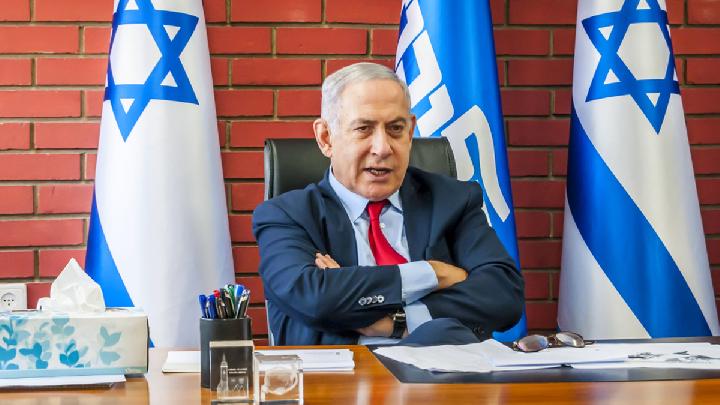
The joint statement characterized the Israeli position as a direct repudiation of the Comprehensive Plan put forward by United States President Donald Trump. The diplomatic intervention follows a decision by Israeli Prime Minister Benjamin Netanyahu earlier in the month to reject the 15-point roadmap. Netanyahu maintained that Israeli military forces would not pull back from the territory until Hamas is genuinely disarmed.
"Rejecting the Road Map constitutes an explicit refusal to proceed with the implementation of the Comprehensive Plan, and directly threatens to derail the extensive efforts exerted by US President Trump to bring an end to the war in Gaza and establish the conditions for lasting peace."
Foreign ministers, joint statement, via Tempo.co
According to the foreign ministers, Israel now bears full and direct responsibility for obstructing peace efforts across Gaza and the wider Occupied Palestinian Territory. The joint declaration warned that continued non-compliance risks severe deterioration on the ground and called upon the Board of Peace and the United States to take immediate, concrete measures to preserve the integrity of the roadmap and prevent any party from derailing its execution.
Roadmap Architecture and Regional Demands
The disputed roadmap is tied to a broader framework endorsed by United Nations Security Council Resolution 2803. The architecture of the plan incorporates several coordinated phases, including the decommissioning of weapons alongside a phased withdrawal of Israeli forces. An international stabilization force would subsequently deploy alongside a new Palestinian police unit to secure the enclave, while administrative authority would transfer to the National Committee for the Administration of Gaza to oversee reconstruction and recovery.
Palestinian factions have accepted the roadmap. While Hamas avoided the specific term "disarmament" in its late July position, the group stated it would hand over its weapons to a new Palestinian governing body operating under the supervision of the Board of Peace. Hamas subsequently called on mediators to compel Israel to approve the roadmap for future steps.
Beyond security arrangements, the regional powers used their joint statement to condemn Israel's broader opposition to Palestinian statehood. Asserting that lasting stability requires a two-state solution based on the 1967 borders with East Jerusalem as its capital, the ministers rejected any unilateral measures designed to prevent Palestinian self-determination.
Ongoing Diplomacy in Egypt
The diplomatic fallout unfolded while high-level talks took place in Egypt. Jared Kushner, serving as a US envoy and presidential advisor, traveled alongside Nickolay Mladenov, the Board of Peace envoy for Gaza, to engage with regional mediators from Egypt, Qatar, and Turkey regarding the implementation of the peace deal.
During the visit, Kushner met with Hamas chief Khalil al-Hayya, according to reports citing unnamed sources. Meanwhile, Israeli leadership signaled that while channels of communication remain open with Washington, substantive disagreements persist.
Prime Minister Netanyahu addressed the diplomatic friction by noting that Israel continues to review proposals from international partners. They have ideas; some of them are acceptable to us and some are not, and we know how to stand our ground on these matters,
Netanyahu said.
Regional authorities continue to press for sustained US engagement to secure full compliance from all parties, ensure the delivery of humanitarian relief, and pave the way for the second phase of the Trump administration's broader peace initiative.
How significant is this development?
Contribute your assessment to the aggregated reader sentiment ledger.
Frequently Asked Questions
Key questions answered in this reportWhat is the key development in: Regional Powers Condemn Israel's Rejection of Gaza Plan?
Foreign ministers from eight nations issued a joint statement in Cairo condemning the refusal to endorse the 15-point Gaza peace roadmap.
Why is this World development significant for the UK?
This report covers critical events in our World beat. Independent reporting monitors related UK statements, regulatory shifts, and public responses as further verified details emerge.
How was this reporting corroborated and verified?
Newsarchy UK compiles and cross-references reporting from primary reporting from khaleejtimes.com and cross-checked wire reports. All coverage adheres to published editorial standards.
When was this report published?
This briefing was published on August 17, 2026 and is permanently cataloged in the Newsarchy UK World archives.