Romania shuts its last operating reactor as Danube hits record low
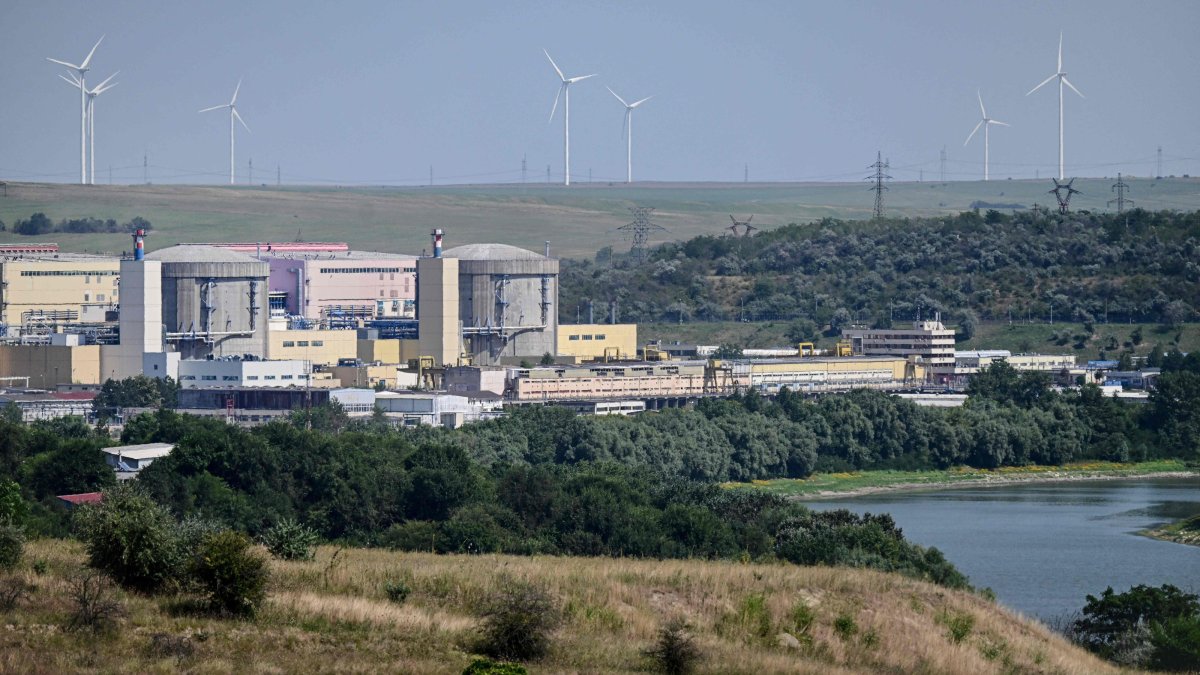
Romania has shut down both reactors at its nuclear plant after water levels in the Danube River dropped significantly, triggering an energy emergency.
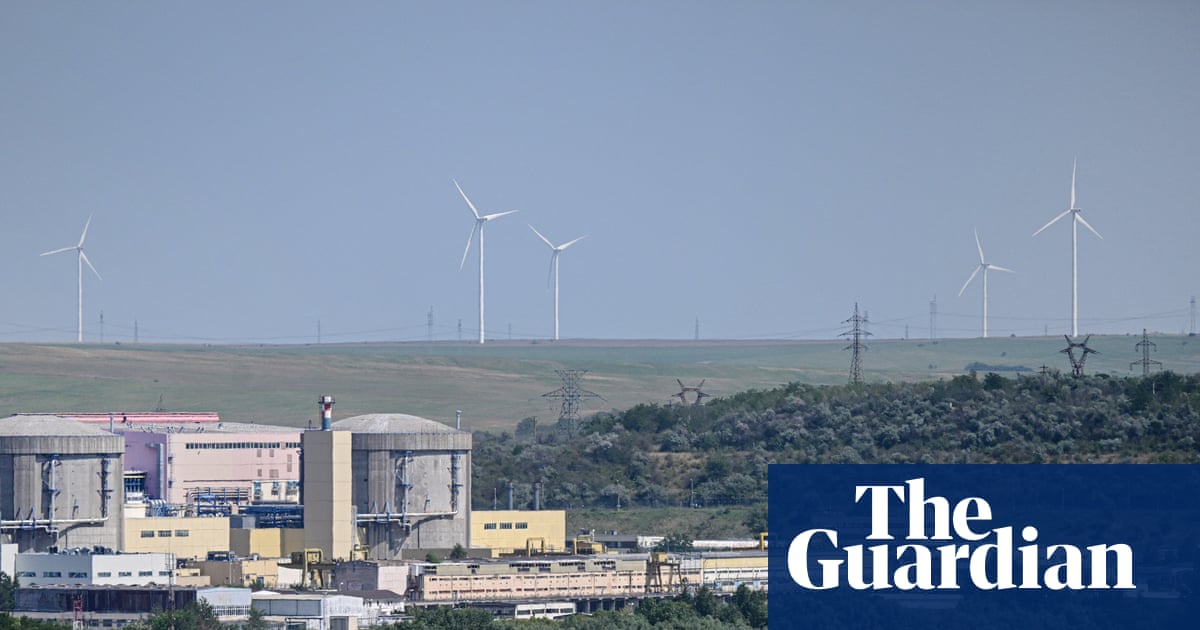
- Core Development: Romania has shut down both reactors at its nuclear plant after water levels in the Danube River dropped significantly, triggering an energy emergency.
- Beat Context: Categorized under World with independent corroboration.
- Reporting Depth: 3 minute analytical read synthesized from verified newsroom sources.
Romania’s sole nuclear plant stopped both of its reactors on Thursday, a reaction to the Danube’s unprecedented drop that threatens power supplies across the region. The shutdown wipes out roughly a fifth of the country’s electricity generation and forces neighbours – notably Moldova – to scramble for alternative sources while Europe wrestles with a heatwave‑fuelled drought.
Nuclearelectrica, the state‑owned operator, announced that the second reactor would close “due to the significant and ongoing drop in the water level of the River Danube.”
Media additions
"We do not foresee a restart within the next 10 days,"
Romeo Urjan, plant director, via Daily Sabah
The cooling water supplied by the Danube is now too shallow for safe operation, echoing a similar shutdown in 2003 that also followed a drought.
Romania immediately declared an energy emergency for August, urging businesses and households to cut consumption during peak hours. The energy ministry has activated a 330‑megawatt lignite‑fired plant, leaned on wind farms, and tapped hydro reserves where water permits. As a last resort, large industrial users may face evening‑hour restrictions, and carmakers Dacia and Ford have paused production until 19 August to help with the power deficit.
Ripple effects on Moldova and the wider grid
Until Thursday, Moldova relied on Romanian imports for up to 60 % of its electricity shortfall. With the supply now cut, Moldovan grid operators must turn to Ukraine, pricier western purchases, or contemplate rolling outages. “I think we should be ready for a worsening situation, including power outages, although it’s hard to say for sure right now,” warned Moldovan energy expert Sergiu Tofilat to Radio Chişinău.
"I think we should be ready for a worsening situation, including power outages, although it’s hard to say for sure right now,"
Sergiu Tofilat, energy expert, via The Guardian
Meanwhile, France reported a more than 20 % shortfall in nuclear output as drought, heat and a jellyfish invasion forced 13 of its 57 reactors offline. The pattern signals a broader European vulnerability when water‑dependent cooling systems meet climate‑driven scarcity.
Hungary’s parallel battle
Neighbouring Hungary, whose Paks nuclear complex also draws cooling water from the Danube, has avoided a total shutdown but is operating only two of eight turbines. Prime Minister Péter Magyar ordered a submerged wall – a weir – and positioned two 80‑metre barges that could be sunk to raise water levels by roughly 1.2 metres. Construction is slated for completion within four weeks, at an estimated cost of 6 billion forints.
Climate backdrop and riverine consequences
Analyses from the European Copernicus climate observatory show that nearly two‑thirds of the Danube’s flow has fallen to the lowest July level recorded in 34 years. The World Weather Attribution group attributes the drought to human‑induced climate change and warns that “the problem will worsen.”
What has been done, and what remains uncertain
- Budget of over €2 million earmarked to divert Danube flow, including blasting a rock and sinking four rock‑filled barges (source: Daily Sabah).
- Activation of a 330‑megawatt lignite plant and increased wind generation (source: The Guardian).
- Industrial curtailments, notably halting Dacia and Ford assembly lines until mid‑August (both sources).
- Hungary’s emergency weir project, expected to raise local water levels by 1.2 metres within a month (both sources).
Timeline of key events
| Date | Event |
|---|---|
| Late July 2026 | First Cernavodă reactor shut as Danube levels fell. |
| Early August 2026 | Romanian government announced carmaker production pauses. |
| Thursday, 14 August 2026 | Second Cernavodă reactor shut; energy emergency declared. |
| 14 August 2026 | Hungarian PM orders submerged wall and barges to protect Paks. |
What to watch next
- Mid‑August – Assessment of whether the lignite plant and renewable sources can fully cover the 1.4‑gigawatt gap left by Cernavodă.
- Ongoing – Monitoring of Danube flow data from Copernicus to gauge when shipping lanes may reopen.
With Europe’s heatwave intensifying, the Danube’s fate will likely dictate the balance between nuclear, fossil and renewable generation for weeks to come. The crisis underscores how water scarcity can reverberate through energy grids, trade routes and national economies, prompting governments to rethink contingency plans in an increasingly hot continent.
How significant is this development?
Contribute your assessment to the aggregated reader sentiment ledger.
Frequently Asked Questions
Key questions answered in this reportWhat is the key development in: Romania shuts its last operating reactor as Danube hits record low?
Romania has shut down both reactors at its nuclear plant after water levels in the Danube River dropped significantly, triggering an energy emergency.
Why is this World development significant for the UK?
This report covers critical events in our World beat. Independent reporting monitors related UK statements, regulatory shifts, and public responses as further verified details emerge.
How was this reporting corroborated and verified?
Newsarchy UK compiles and cross-references reporting from primary reporting from theguardian.com and cross-checked wire reports. All coverage adheres to published editorial standards.
When was this report published?
This briefing was published on August 14, 2026 and is permanently cataloged in the Newsarchy UK World archives.