Russia dismisses second Siberian plague case reports as false media claims
Moscow has dismissed reports of a second suspected infection in Siberia as false, while the WHO urges Russia to clarify media accounts following a lab worker's death.

- Core Development: Moscow has dismissed reports of a second suspected infection in Siberia as false, while the WHO urges Russia to clarify media accounts following a lab worker's death.
- Beat Context: Categorized under World with independent corroboration.
- Reporting Depth: 4 minute analytical read synthesized from verified newsroom sources.
Moscow has flatly rejected emerging international reports of a second suspected infection during an unfolding health scare in Siberia, dismissing the accounts as fabrications while global health bodies demand urgent clarity. The diplomatic friction follows the death of a laboratory worker at an anti-plague research institute in the Irkutsk region, prompting international concern over potential biological safety breaches and renewed scrutiny of Russian transparency according to Euronews.
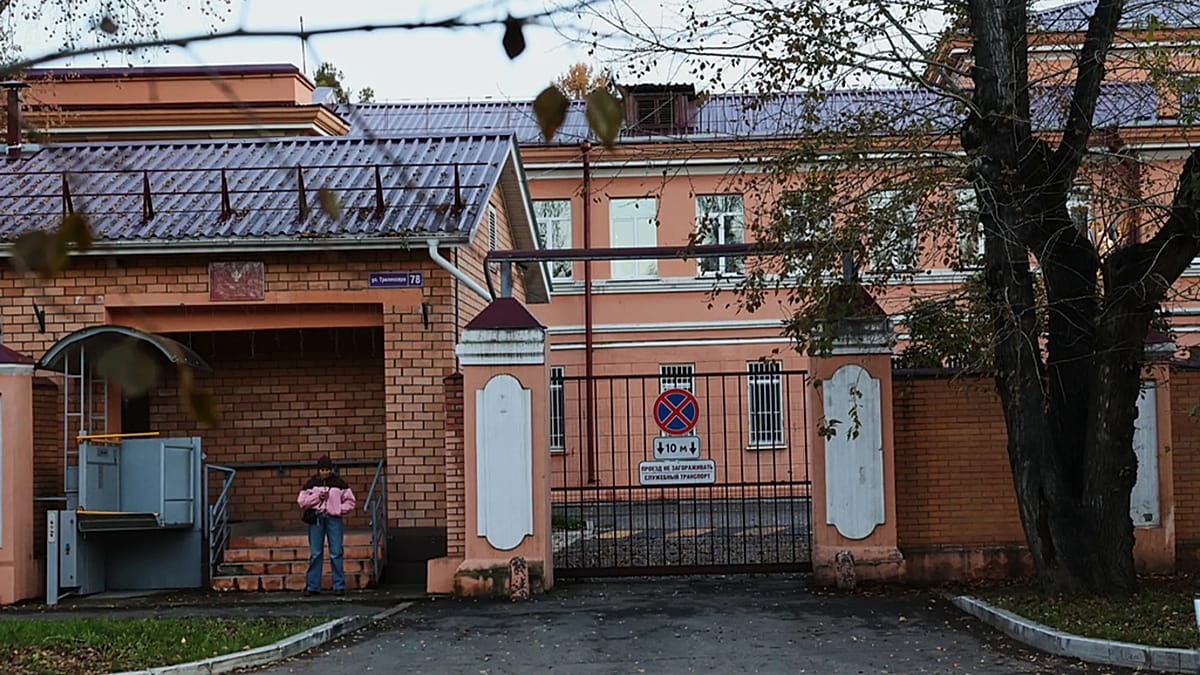
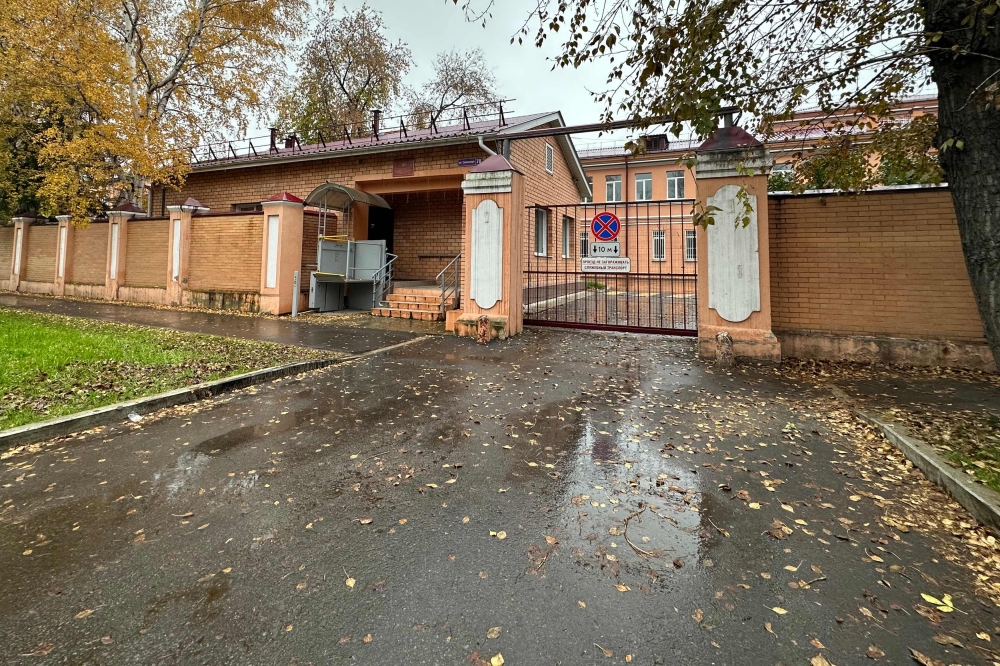
The situation centers on the death of 28-year-old laboratory technician Darya Shipilova, who was employed at the Irkutsk Anti-Plague Research Institute according to Euronews. Russian outlet People of Baikal reported that the technician may have contracted pneumonic plague via a broken test tube, though official bodies have maintained that her cause of death remains classified strictly as pneumonia of an undetermined etiology.
Media additions

Addressing reporters, Kremlin spokesperson Dmitry Peskov stated via Al Jazeera that the vast majority of media reporting surrounding the incident constitutes false information. Peskov urged the public to disregard unverified narratives and rely entirely on updates issued by Rospotrebnadzor, Russia's state health watchdog according to the New York Post. Rospotrebnadzor asserted that nearly 5,000 laboratory tests detected no dangerous pathogens among contacts of the deceased, and that more than ninety percent of individuals placed under medical observation had completed their monitoring without displaying symptoms according to DW.
Despite Moscow's assurances, international pressure has mounted. World Health Organization Director-General Tedros Adhanom Ghebreyesus stated during a briefing covered by Al Jazeera that the UN agency received information from two separate media outlets, including one in Russia, concerning a second employee presenting with pneumonia of unknown origin. We cannot ignore any reporting that comes,
Tedros said, adding that the organization formally asked Russia to respond via Al Jazeera. WHO Director of Epidemic and Pandemic Management Maria Van Kerkhove noted through Al Jazeera reporting that the agency lacks the causative agent details and does not yet understand how the technician became infected.
| Entity | Stance / Action Reported | Source Attribution |
|---|---|---|
| Kremlin | Dismissed second-case reports as false; maintained no epidemic risk exists. | Al Jazeera / New York Post |
| World Health Organization | Requested formal clarification on a potential second employee case; noted incomplete risk assessment. | Al Jazeera / DW |
| United States Government | Lodged a formal diplomatic demarche; monitored regional travelers while assessing risk as extremely low. | New York Post / Al Jazeera |
| Mongolia | Implemented enhanced health surveillance and monitoring measures at the border. | DW |
Diplomatic channels have also reflected underlying tensions. A source close to the matter indicated to the Malay Mail that Washington sent a confidential diplomatic communication, or demarche, to Moscow requesting transparent disclosures. While US President Donald Trump told reporters in the Oval Office that he did not believe the event was linked to a biological weapon according to The Manila Times, he drew comparisons to early international information hurdles during past global outbreaks noted by The Manila Times. Trump also stated he expected to speak with Russian President Vladimir Putin according to the New York Post, though Peskov countered that no phone call had been officially scheduled at that juncture per the New York Post.
Meanwhile, public health agencies outside Russia have sought to temper public alarm while ramping up observational protocols. Centers for Disease Control and Prevention Director Erica Schwartz stated via Al Jazeera that the domestic risk to the United States remains extremely low, though health stations at entry hubs like New York's John F Kennedy International Airport monitor travelers arriving from the Siberian region. Neighboring Mongolia has similarly stepped up health surveillance at its shared border according to DW, reacting to the proximity of the facility and the natural presence of plague reservoirs among wild animals in the wider Irkutsk area noted by Euronews.
As international stakeholders continue pressing for verification, readers can follow ongoing geopolitical and health developments through broader World coverage.
How significant is this development?
Contribute your assessment to the aggregated reader sentiment ledger.
Frequently Asked Questions
Key questions answered in this reportWhat is the key development in: Russia dismisses second Siberian plague case reports as false media claims?
Moscow has dismissed reports of a second suspected infection in Siberia as false, while the WHO urges Russia to clarify media accounts following a lab worker's death.
Why is this World development significant for the UK?
This report covers critical events in our World beat. Independent reporting monitors related UK statements, regulatory shifts, and public responses as further verified details emerge.
How was this reporting corroborated and verified?
Newsarchy UK compiles and cross-references reporting from primary reporting from Al Jazeera and cross-checked wire reports. All coverage adheres to published editorial standards.
When was this report published?
This briefing was published on October 8, 2026 and is permanently cataloged in the Newsarchy UK World archives.