Russia rejects German calls to ease escalation during UN meeting
Russian Foreign Minister Sergey Lavrov dismissed German calls for military de-escalation during a tense UN meeting, criticizing Berlin's role in Ukraine.

- Core Development: Russian Foreign Minister Sergey Lavrov dismissed German calls for military de-escalation during a tense UN meeting, criticizing Berlin's role in Ukraine.
- Beat Context: Categorized under World with independent corroboration.
- Reporting Depth: 4 minute analytical read synthesized from verified newsroom sources.
Russia has rebuffed German calls to step back from what Berlin termed a hazardous trajectory of military escalation, with Moscow instead accusing Germany of acting as Kyiv's primary financial and military benefactor. The diplomatic rupture unfolded on Saturday, 26 September 2026, during the annual high-level gathering at United Nations headquarters.
The encounter on the sidelines of the United Nations General Assembly marked a rare reopening of direct diplomatic channels. German Foreign Minister Johann Wadephul requested the tête-à-tête to confront Moscow over soaring tensions, which have been severely exacerbated by a recent drone incident targeting Leipzig airport. According to The Hindu, Berlin concluded that Russia was responsible for the attempted strike, prompting retaliatory responses that followed it. Moscow has dismissed the allegations.
Media additions

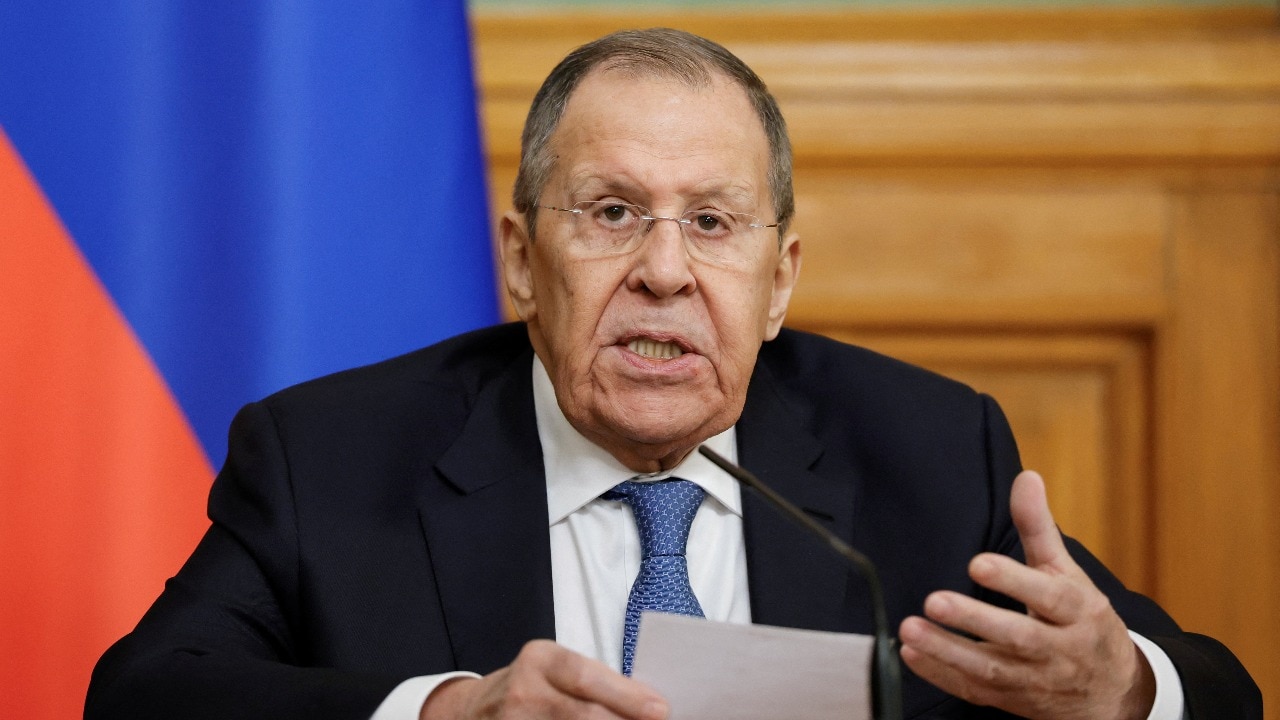
During the closed-door discussions, Wadephul pressed his counterpart to abandon what a German delegation official described as a dangerous path of escalation toward Germany, Europe, and the NATO alliance, as reported by India Today. Wadephul signaled openness to improved bilateral relations, stipulating that it required a genuine willingness from the Kremlin to end the war in Ukraine.
"He simply reiterated his official public position condemning Russia. You can judge for yourself whether that counts as dialogue or not."
Sergey Lavrov, Foreign Minister of Russia, via The Hindu
Following the meeting, Daily Excelsior noted that Lavrov offered a assessment of the dialogue during a subsequent press conference, remarking that “nothing new came from that initiative of the foreign minister.” In his official address to the General Assembly, Lavrov escalated his rhetoric further, directly targeting Berlin.
"Does Berlin understand what this could lead to? Didn't they not learn the lessons of World War II?"
Sergey Lavrov, Foreign Minister of Russia, via The Hindu
As reported by Українські Національні Новини (УНН), the ministers also touched upon vital economic infrastructure, including energy assets and safe navigation for grain exports across the Black Sea. Wadephul urged Moscow to help reach an agreement on the safe export of grain via the Black Sea. Lavrov challenged Germany to name one commercial vessel in the Black Sea that was damaged or targeted by Russian strikes, asserting that “there are no such cases.”
The diplomatic friction extended deeply into institutional disputes over the architecture of the United Nations. Lavrov used his speech to fiercely oppose permanent seats on the UN Security Council for Germany and Japan, pointing to their historical status as World War II adversaries. In contrast, the United States has long supported permanent council representation for both countries, alongside India. Responding on the assembly floor, Japan’s deputy UN ambassador, Mikanagi Tomohiro, defended his country's record, emphasizing that freedom, democracy, and fundamental human rights remain the unshakeable foundation of Tokyo's actions.
| Diplomatic Actor | Core Position at UNGA | Key Demands / Statements |
|---|---|---|
| Russia (Lavrov) | Defiant / Anti-Western | Rejected German de-escalation calls; accused Berlin of seeking military dominance; vowed to veto German and Japan Security Council bids. |
| Germany (Wadephul) | Firm Resolve / Allied Solidarity | Demanded immediate ceasefire; urged an end to hybrid escalation; called for constructive talks on Black Sea grain and energy security. |
| Japan (Tomohiro) | Defensive / Multilateral | Affirmed democratic foundations and peace-loving posture in response to Russian criticism. |
The diplomatic stalemate occurs against the backdrop of an intensifying aerial campaign across Ukraine. On the same day as the UN addresses, regional officials reported multiple fatalities from missile and drone strikes. Read more analysis on international developments in our World coverage section.
What to Watch Next
- Pending implementation details regarding the sanctions bill signed into law by the United States.
- Potential tripartite technical talks involving the U.S., Ukraine, and Russia, pending a proposed date from Washington.
- Further diplomatic maneuvers at the United Nations concerning Security Council reform and expansion proposals.
- Developments in European airspace and maritime security following the recent summoning of the Russian ambassador in Berlin.
How significant is this development?
Contribute your assessment to the aggregated reader sentiment ledger.
Frequently Asked Questions
Key questions answered in this reportWhat is the key development in: Russia rejects German calls to ease escalation during UN meeting?
Russian Foreign Minister Sergey Lavrov dismissed German calls for military de-escalation during a tense UN meeting, criticizing Berlin's role in Ukraine.
Why is this World development significant for the UK?
This report covers critical events in our World beat. Independent reporting monitors related UK statements, regulatory shifts, and public responses as further verified details emerge.
How was this reporting corroborated and verified?
Newsarchy UK compiles and cross-references reporting from primary reporting from thehindu.com and cross-checked wire reports. All coverage adheres to published editorial standards.
When was this report published?
This briefing was published on September 27, 2026 and is permanently cataloged in the Newsarchy UK World archives.