Russian Supreme Court bars anti-war party Yabloko from elections
Russia's Supreme Court has banned Yabloko, the country's sole anti-war party, from contesting upcoming parliamentary elections following a legal challenge.
- Core Development: Russia's Supreme Court has banned Yabloko, the country's sole anti-war party, from contesting upcoming parliamentary elections following a legal challenge.
- Beat Context: Categorized under World with independent corroboration.
- Reporting Depth: 3 minute analytical read synthesized from verified newsroom sources.
Russia’s Supreme Court barred the country's only anti-war party, Yabloko, from contesting upcoming parliamentary elections, stripping voters opposed to the ongoing conflict in Ukraine of their final ballot option, Malaymail reported. The decision, delivered by judge Vyacheslav Kirillov, upheld a lawsuit brought by the pro-Kremlin nationalist party Rodina. The legal challenge sought to annul the registration of Yabloko's federal candidate list for the State Duma, citing alleged violations involving foreign funding, copyright infringements, and extremism. With most of President Vladimir Putin’s critics jailed, exiled, or dead, Yabloko had stood as the sole liberal party operating inside the Russian Federation.
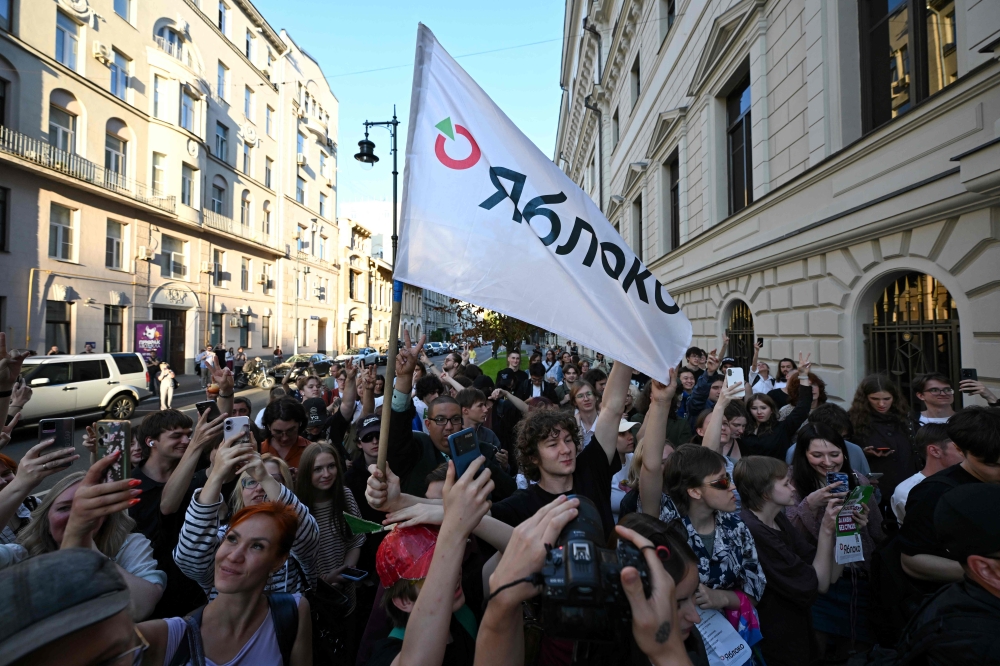
The Rferl report noted that the Central Election Commission had unexpectedly registered Yabloko late last month for the upcoming 450-seat lower house races — marking the first parliamentary contest since the all-out invasion began in February 2022. That initial registration briefly sparked debate among Kremlin opponents over whether participating in a tightly controlled election legitimises the authorities or offers a vital outlet for dissent. Outside the courthouse, approximately a hundred supporters, largely young people, gathered to chant slogans after the ruling was handed down.
Media additions
Legal Battles and Crackdown on Dissent
During the proceedings, Yabloko chairman Nikolai Rybakov rejected the accusations as absurd, maintaining that his political organization defends the interests of the majority by seeking to preserve human lives. Following the verdict, Rybakov announced that the party would mount an appeal. He stated that the political group remains committed to fostering a thriving democratic state and ending the loss of life.
Judge Vyacheslav Kirillov, who presided over the suit, previously authored other hard-line judicial decisions, including an earlier ruling to designate the human rights organisation Memorial as extremist. Political analysts widely view rulings in high-profile Russian cases as coordinated with or directly handed down by the Kremlin.
The crackdown on Yabloko extends well beyond the courtroom. Party members have faced escalating scrutiny and prosecution over their opposition to the fighting. Deputy leader Maksim Kruglov received a seven-year prison sentence over social media posts critical of the conflict. Authorities also arrested Pskov branch head Lev Shlosberg, while party leader Rybakov faced financial penalties for publishing a photograph of the late opposition figure Alexei Navalny online — an act that barred Rybakov from personal candidacy in the upcoming vote. Yabloko figures report that roughly forty party activists currently face criminal prosecution.
Despite these severe pressures, the party has retained backing from prominent exiled opposition figures, including Yulia Navalnaya, the widow of Alexei Navalny. Both Navalny and Navalnaya remain officially listed as extremists within Russia.
Elite Infighting and Electoral Dynamics
Observers suggest that the erratic handling of Yabloko’s ballot access reflects internal tensions within the Russian political elite. Prague-based political analyst Ivan Preobrazhensky noted that factions within the establishment, contrasting security hawks who favor absolute suppression of dissent with technocratic political managers, are maneuvering not merely over the immediate election outcome, but over who will hold power afterward.
Brian Taylor, director of the Moynihan Institute of Global Affairs at Syracuse University, observed that although Yabloko failed to clear the five percent threshold required to enter the Duma since the early 2000s, the Kremlin remained fearful of the substantial anti-war constituency the party could mobilize despite heavy vote manipulation. Yabloko co-founder Grigory Yavlinsky argued via social media that the removal of the party exposes a political system genuinely rattled by the strength of public demand for peace and freedom.
Meanwhile, the broader conflict continues to affect domestic life inside Russia. Ukrainian retaliatory strikes targeting energy infrastructure, refineries, and supply chains have caused civilian casualties and disrupted everyday routines far from the front lines. Independent polling indicates that a majority of Russian citizens favour peace negotiations, even as Putin maintains hard-line territorial demands and rejects foreign cease-fire proposals.
- August 10, 2026: Russia's Supreme Court bars Yabloko from the parliamentary ballot following a lawsuit by the Rodina party.
- Late July 2026: The Central Election Commission unexpectedly registers Yabloko for the upcoming State Duma elections.
- September 18–20, 2026: Scheduled dates for Russia's parliamentary elections.
How significant is this development?
Contribute your assessment to the aggregated reader sentiment ledger.
Frequently Asked Questions
Key questions answered in this reportWhat is the key development in: Russian Supreme Court bars anti-war party Yabloko from elections?
Russia's Supreme Court has banned Yabloko, the country's sole anti-war party, from contesting upcoming parliamentary elections following a legal challenge.
Why is this World development significant for the UK?
This report covers critical events in our World beat. Independent reporting monitors related UK statements, regulatory shifts, and public responses as further verified details emerge.
How was this reporting corroborated and verified?
Newsarchy UK compiles and cross-references reporting from primary reporting from rferl.org and cross-checked wire reports. All coverage adheres to published editorial standards.
When was this report published?
This briefing was published on August 11, 2026 and is permanently cataloged in the Newsarchy UK World archives.