Russia warns UK will pay consequences over drone supplies to Ukraine
Moscow issued a diplomatic warning to London, accusing the British government of acting as an accomplice after confirming that British-manufactured drones were used in strikes against Russia.
Russia warns UK will pay consequences over drone supplies to Ukraine
EXECUTIVE BRIEFKey Takeaways & Signal
Core Development: Moscow issued a diplomatic warning to London, accusing the British government of acting as an accomplice after confirming that British-manufactured drones were used in strikes against Russia.
Beat Context: Categorized under World with independent corroboration.
Moscow has issued a stark diplomatic warning to London, accusing the British government of acting as an accomplice in what it termed terrorist attacks after confirming that British-manufactured drones were utilized in strikes against Russian territory. According to the BBC, the Russian Embassy in the United Kingdom stated that London had deliberately opted for an escalation of the conflict.
"London's actions will inevitably carry consequences for which it will have to answer,"
Media additions
Image via ilkha.comImage via kyivpost.comImage via yahoo.com
Russian Embassy to the UK, via BBC
The embassy warned that the deeper the UK's involvement, the higher the price it would pay. Russian foreign ministry spokeswoman Maria Zakharova added that drones using UK components and configurations were used to attack Russian territory, including a fuel depot in the Kamensky District of the Rostov Region. Built by two separate British companies, the drones in question have been used inside Russia in the widespread targeting of military and industrial infrastructure, according to a military source who confirmed the deployment to the BBC.
In response to Moscow's threats, a spokesperson for the UK Ministry of Defence told the BBC that Britain stood shoulder to shoulder with Ukraine. The spokesperson maintained that the government remains resolute against Russian aggression and is fully committed to providing the equipment needed to defend against the full-scale invasion launched in February 2022. The MoD previously announced in April that it would supply Ukraine with tens of thousands of drones, including long-range strike devices, in its largest-ever package.
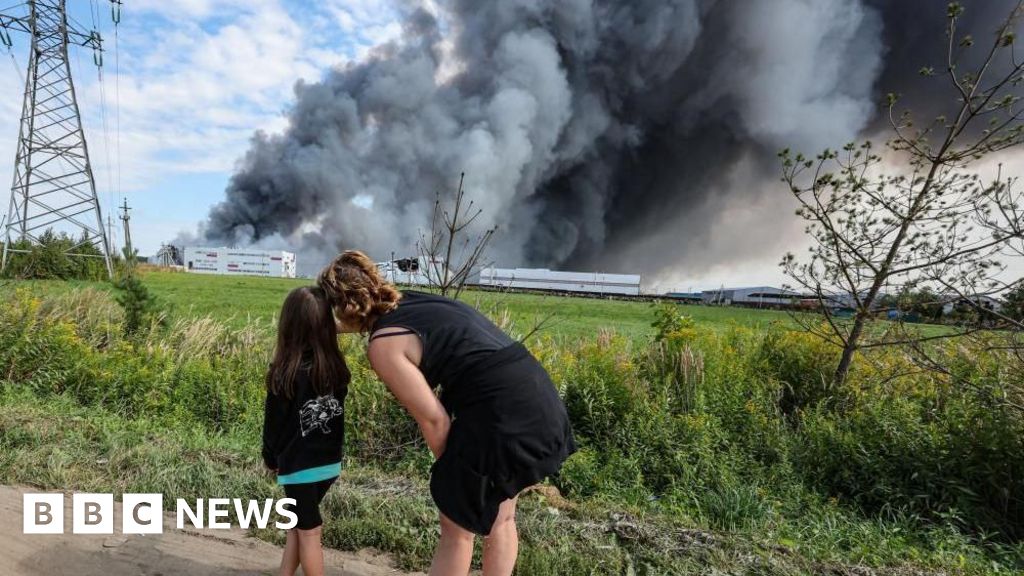
This diplomatic friction coincides with an intensifying campaign of long-range aerial warfare. As detailed by İlke Haber Ajansı, Ukrainian forces launched a large-scale drone attack targeting Moscow and the surrounding Moscow region overnight on August 18, according to Russian officials and local reports. Russian officials reported that hundreds of drones streaked toward the capital, following closely behind an even larger assault days prior. Moscow Mayor Sergey Sobyanin reported that at least 197 Ukrainian drones were intercepted over the Moscow region alone during the overnight assault, while Russia’s Defense Ministry reported that its air defense systems destroyed or intercepted a total of 791 Ukrainian drones across 13 Russian regions during the night.
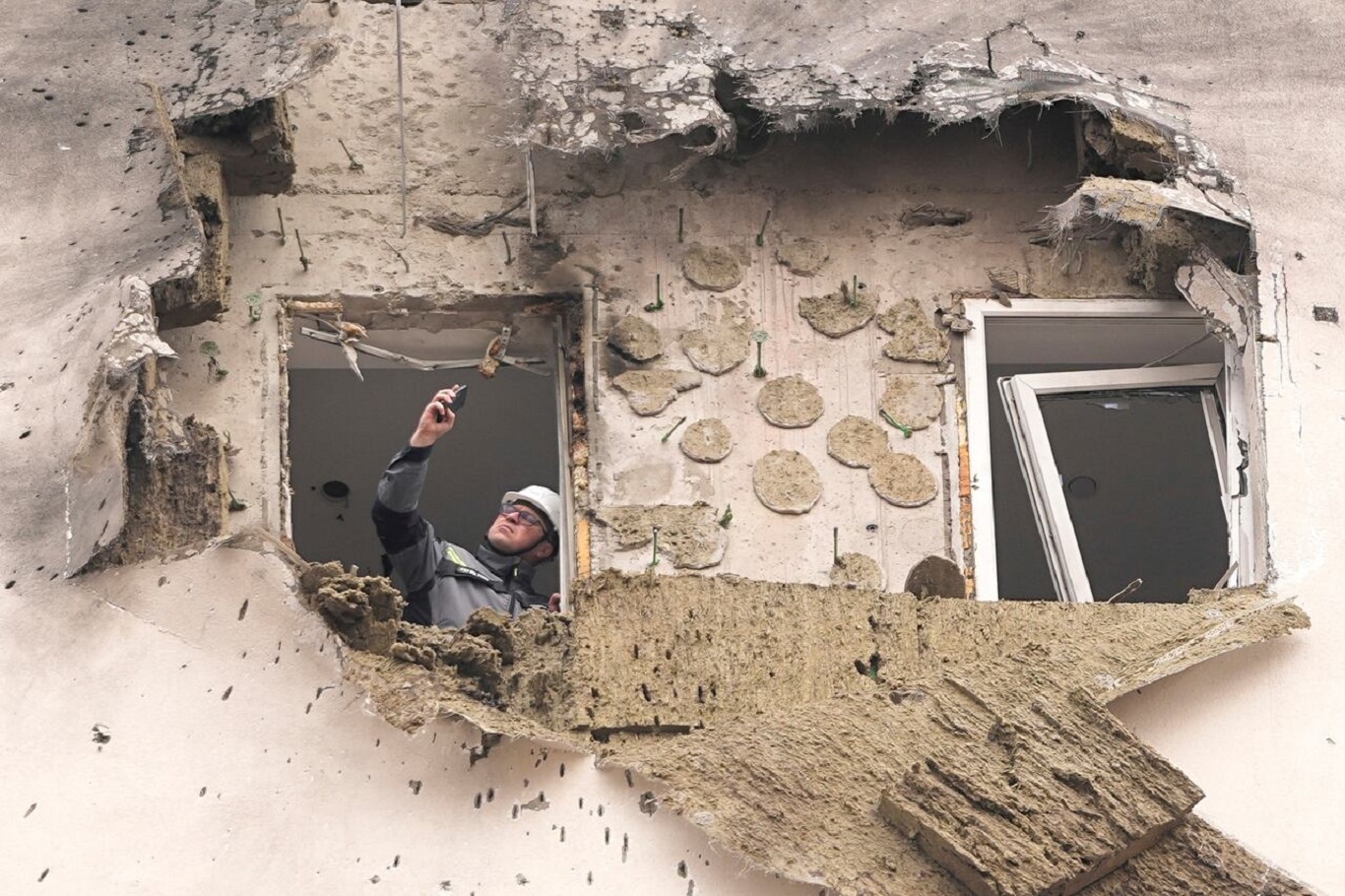
The latest assault caused multiple incidents and fires across the Moscow region. Russian state media and local reports indicated that a residential building in Pavlovsky Posad, alongside an aluminum plant and residential properties in Lyubertsy, sustained damage from falling debris and fires. Moscow Oblast Governor Andrey Vorobyov stated that a car and a transformer substation were damaged in Elektrostal, while the regional power grid suffered outages affecting dozens of transformer substations and thousands of customers.
The recent aerial bombardments have resulted in casualties on both sides of the border. According to Yahoo News, recent waves of strikes killed multiple people in the western Belgorod region, while a woman died in the southern Astrakhan region. In Ukraine, simultaneous Russian strikes killed residents in the Sumy and Donetsk regions, alongside heavy missile and drone fire affecting cities such as Zaporizhzhia and Odesa.
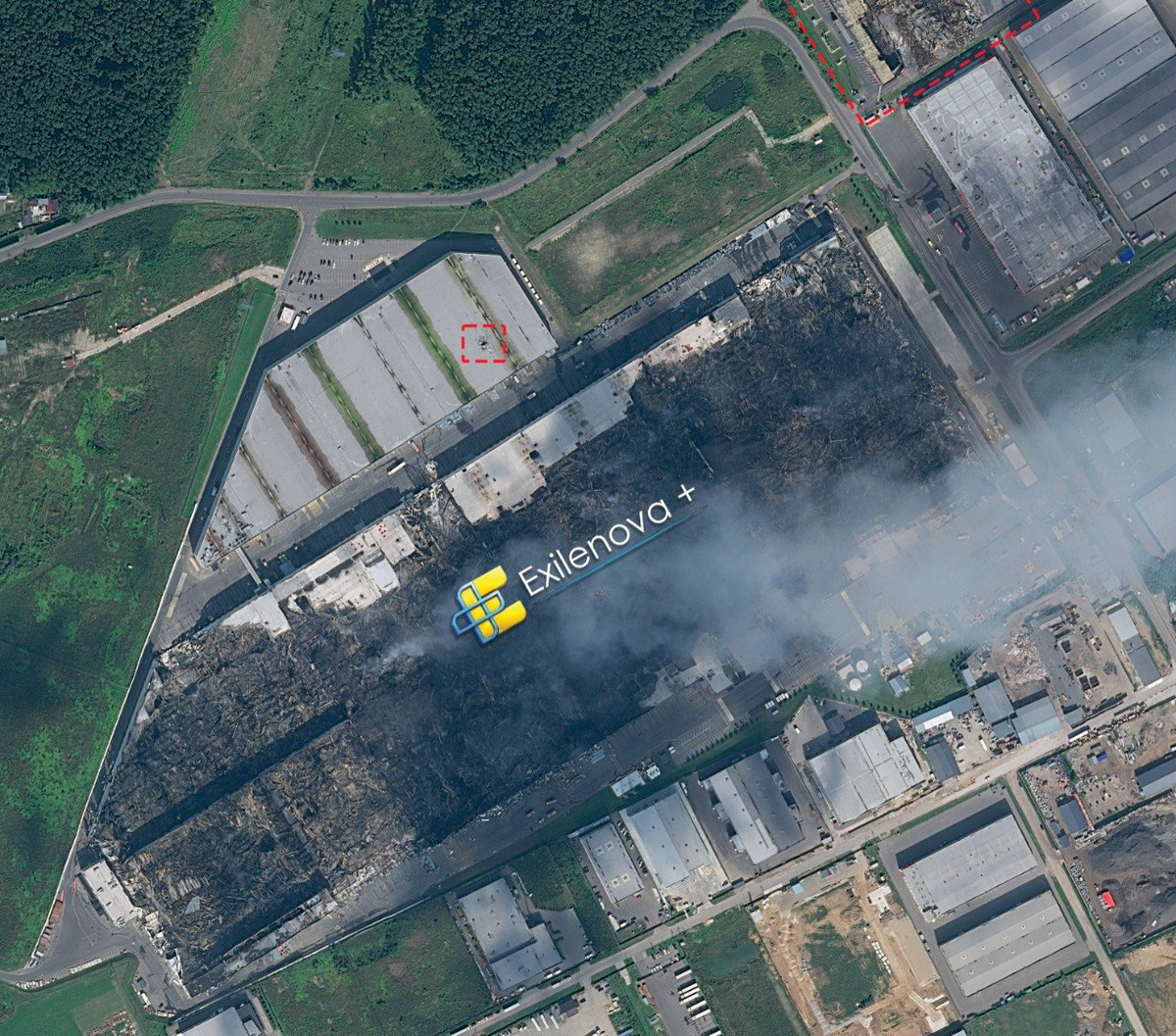
The broader strategy behind Kyiv's drone campaign has increasingly focused on dismantling logistics hubs deep within Russia to disrupt supply chains sustaining the front lines. A primary target of these operations has been the e-commerce giant Wildberries, widely characterized as Russia's equivalent to Amazon. Ukrainian defense officials assert that the marketplace lists dual-use goods, including drone components and body armor, rendering it a legitimate military objective. Maj Gen Vadym Skibitski, deputy chief of Ukraine's intelligence service, defended the targeting of logistics and distribution networks in remarks reported by Yahoo News, arguing that such facilities form an integral part of Russia's war-fighting apparatus.
Conversely, Moscow maintains that these actions constitute deliberate attacks on civilian economic infrastructure. The economic toll on the retail giant has been severe. According to data cited by the Kyiv Post, weeks of targeted strikes have impacted dozens of warehouses, destroying millions of square meters of storage capacity and crippling major logistics nodes. Analysts and industry groups estimate tens of billions of rubles in direct damage, raising concerns over potential bankruptcies among independent sellers relying on the platform's distribution network.
Recent Escalation Timeline
July 18: Ukraine begins targeting Wildberries infrastructure, initiating a month-long campaign against distribution centers.
August 15–16: A massive drone assault targets Moscow and destroys the major Wildberries warehouse in Koledino.
Saturday Night: Ukraine fires some 822 drones towards Russia, with 600 aiming for Moscow, in one of the largest attacks of the war, coinciding with heavy Russian missile strikes on Ukrainian energy and civilian infrastructure.
Overnight into August 18: A subsequent barrage of hundreds of drones targets the Moscow region, prompting mass air defense activations, infrastructure damage, and fires at regional facilities.
August 18: The Russian Embassy issues its direct warning of consequences directed at the United Kingdom over its supply of military hardware.
As the conflict enters its fourth year with Russian forces controlling approximately a fifth of Ukrainian territory, the intensification of deep-strike capabilities points toward a prolonged campaign of economic attrition. Power utilities, regional governors, and international observers continue to monitor the humanitarian and financial fallout from the relentless cross-border exchanges as both nations brace for further escalation.
READER INTELLIGENCE PULSE
How significant is this development?
Contribute your assessment to the aggregated reader sentiment ledger.
Click an option to register your anonymous assessment.
Frequently Asked Questions
Key questions answered in this report
What is the key development in: Russia warns UK will pay consequences over drone supplies to Ukraine?
Moscow issued a diplomatic warning to London, accusing the British government of acting as an accomplice after confirming that British-manufactured drones were used in strikes against Russia.
Why is this World development significant for the UK?
This report covers critical events in our World beat. Independent reporting monitors related UK statements, regulatory shifts, and public responses as further verified details emerge.
How was this reporting corroborated and verified?
Newsarchy UK compiles and cross-references reporting from primary reporting from bbc.com and cross-checked wire reports. All coverage adheres to published editorial standards.
When was this report published?
This briefing was published on August 18, 2026 and is permanently cataloged in the Newsarchy UK World archives.